Discovering your local businesses
Fetching latest content
Get actionable advice, industry updates, and inspiration to stay ahead in your business journey.
Showing 370-378 of 4396 articles
Website Development & Digital Marketing
Discover how to learn web design online for free using structured plans, free courses, browser-based tools like Figma and CodePen, UX resources, inspiration galleries, and online communities that support your growth.
Web services are commonly grouped into two main types, SOAP and REST, with modern alternatives like GraphQL, gRPC, JSON-RPC, and WebSockets expanding the options. Learn how each type works and when to use it.
DSA is a hot topic among aspiring developers, but how important is it for web development careers? This article breaks down when DSA matters, how it improves real-world web projects, and how to balance it with practical web skills.
Web services allow applications to communicate over the internet using standard protocols. Learn how to enable web services on Windows IIS, Linux servers, cloud platforms, and popular applications, along with security and testing best practices.
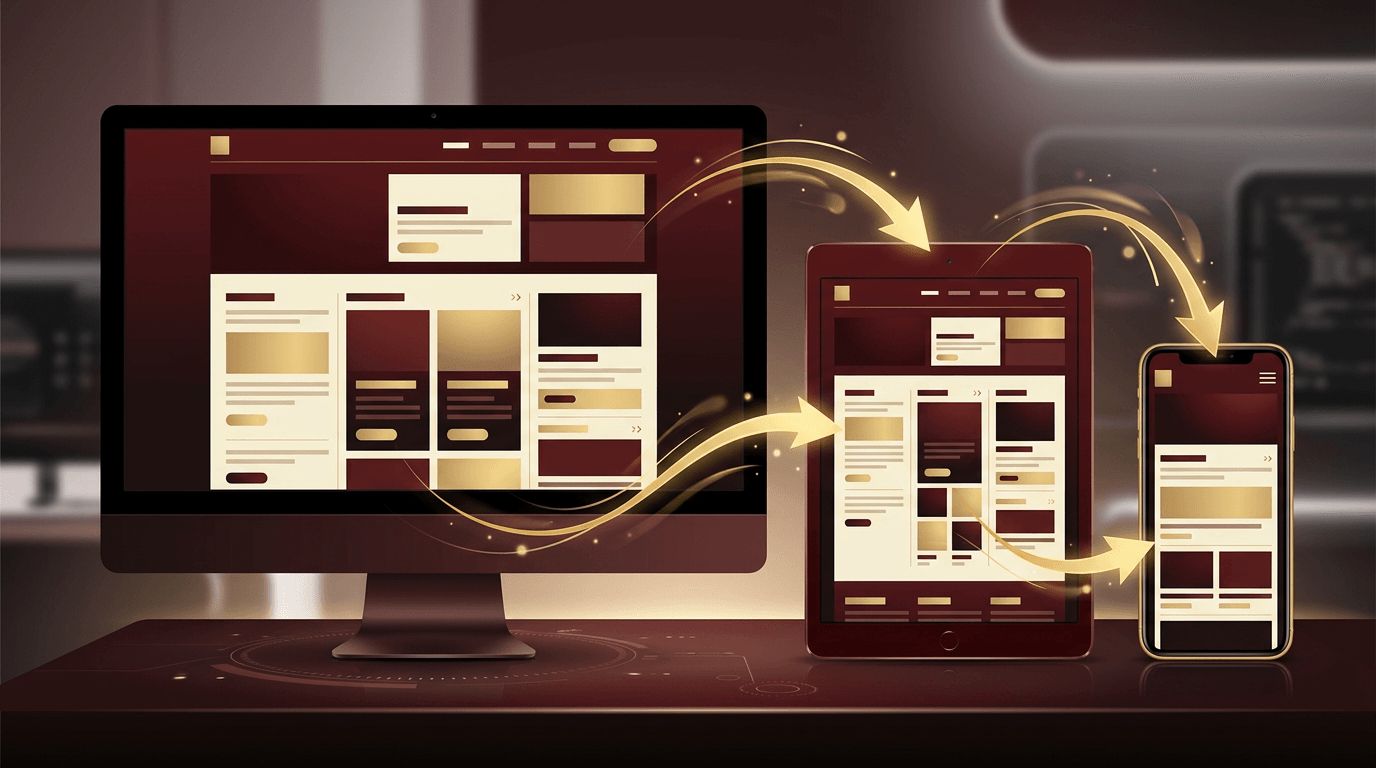
Learn how to create responsive web design with fluid grids, flexible images, media queries, mobile-first strategy, and modern CSS like Flexbox, Grid, and container queries. Build websites that look great on every device.
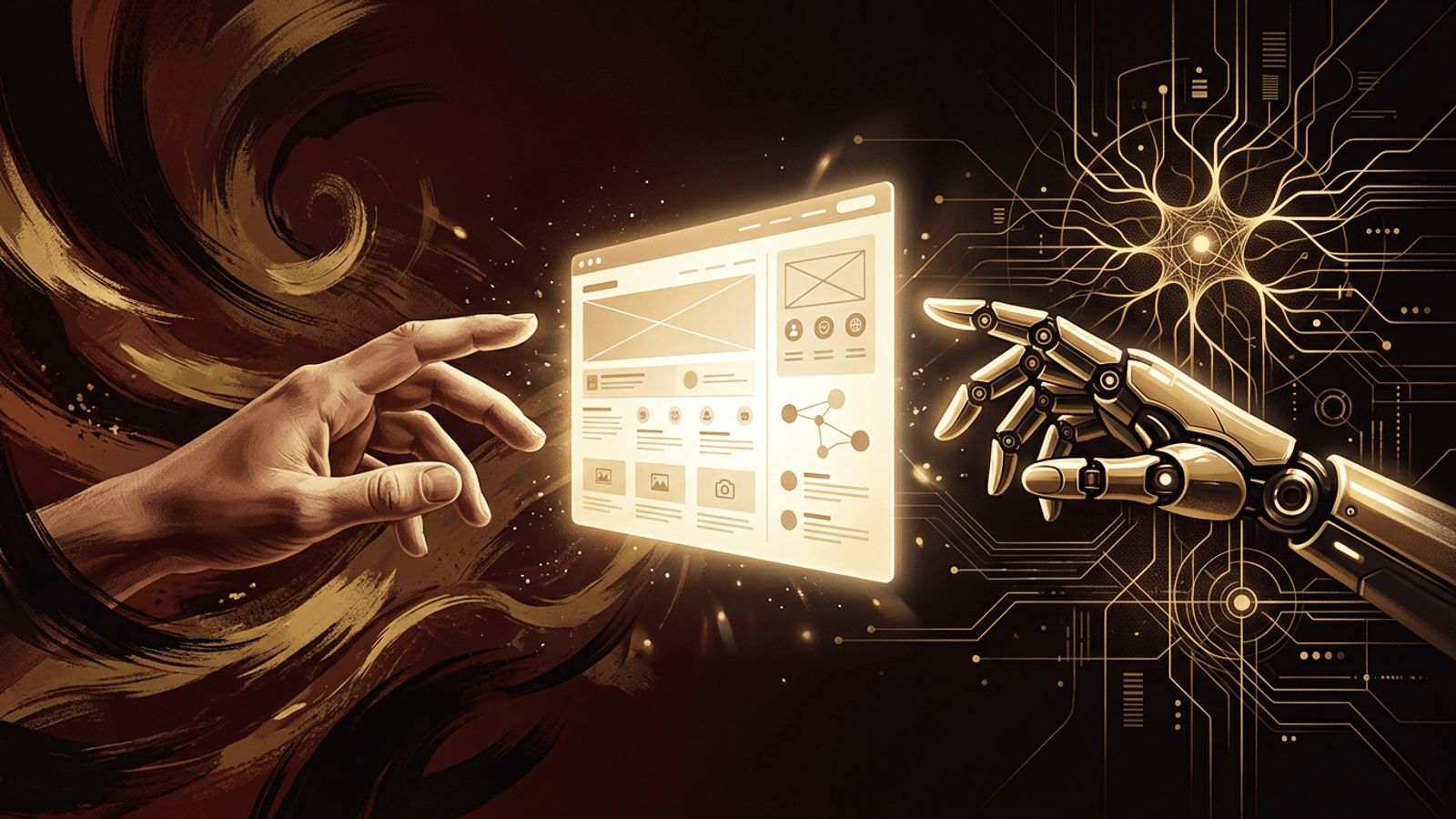
AI can now generate layouts, images, and even code, raising concerns about the future of web designers. We examine what AI can and cannot do, and why designers who embrace AI are likely to thrive rather than disappear.
Web development is one of the most remote-friendly careers available. Explore the types of remote web development work, the skills and tools you need, how to find opportunities, and tips for staying productive at home.
Professional web designers bring strategy, expertise, and polish to every project. Discover how much professional web designers charge, what their fees include, how they compare to budget options, and why the investment pays off.
CSS is the language that transforms plain HTML into visually engaging websites. This article explains how CSS is used in web design, covering layout, typography, color, responsiveness, animation, and best practices for maintainable styling.