

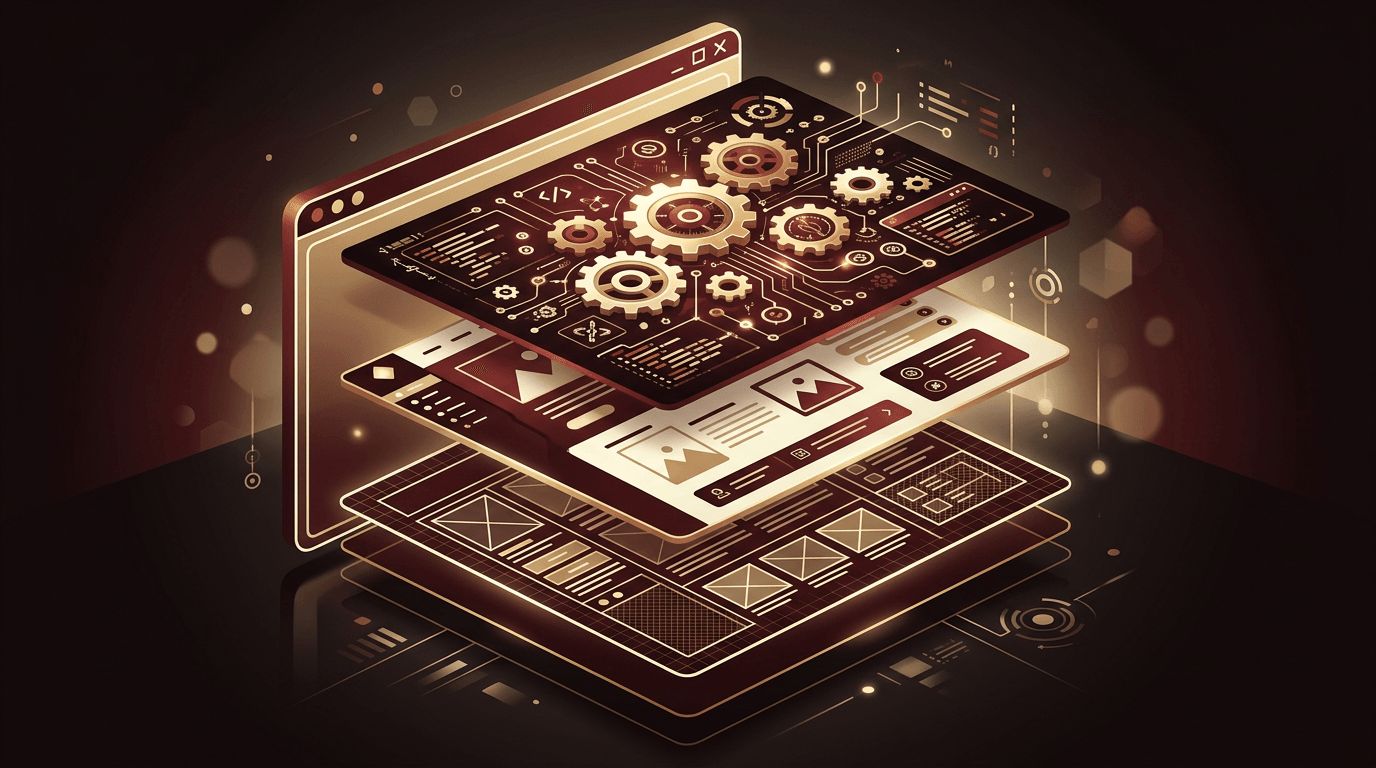
Web design development is the combined process of planning, designing, building, and launching websites. It brings together two complementary disciplines: web design, which shapes how a website looks and how users experience it, and web development, which turns that design into a functional, interactive site using code. Together, they produce websites that are visually appealing, easy to use, fast, secure, and effective at achieving business goals. As the digital world grows more competitive, understanding web design development helps businesses invest wisely in their most important online asset.
How AAMAX.CO Delivers Complete Web Design and Development
Businesses achieve the best results when design and development are handled by a coordinated team. AAMAX.CO is a full service digital marketing company offering Web Development, Digital Marketing, and SEO Services worldwide. They guide their clients through every stage, from discovery and strategy to custom design, development, testing, launch, and ongoing optimization. Because their designers, developers, and SEO specialists collaborate closely, they deliver websites that look exceptional, perform flawlessly, and attract the right audience. Whether a business needs a corporate site, an online store, or a custom platform, they provide end-to-end expertise.
Understanding Web Design
Web design focuses on the visual and experiential side of a website. Designers research users, organize information, and create layouts that make content clear and engaging. Key elements include user experience design, which ensures the website is intuitive and solves user problems; user interface design, which shapes buttons, menus, forms, and interactive elements; visual design, including color, typography, imagery, and spacing; and responsive design, which ensures layouts adapt to desktops, tablets, and smartphones. Designers typically use tools like Figma to create wireframes, mockups, and interactive prototypes before any code is written.
Understanding Web Development
Web development is the technical process of building the website. Front-end developers use HTML, CSS, and JavaScript, often with frameworks like React, Vue, or Next.js, to create everything users see and interact with. Back-end developers build the server-side logic, databases, and integrations that power functionality such as user accounts, payments, and content management, using languages like PHP, Python, Node.js, or Java. Full-stack developers work across both areas. Development also includes performance optimization, security, accessibility, and search engine friendliness.
The Web Design Development Process
1. Discovery and Strategy
Every successful project starts with understanding the business, its goals, target audience, competitors, and success metrics. This phase defines the project scope, required features, and content needs.
2. Planning and Information Architecture
Teams create a sitemap that outlines all pages and how they connect, along with user journeys that map how visitors will move through the site to complete key actions.
3. Wireframing and Design
Designers create low-fidelity wireframes to establish layout and hierarchy, then develop high-fidelity mockups that apply branding, imagery, and typography. Interactive prototypes allow stakeholders to test the experience before development begins.
4. Development
Developers build the front end and back end, integrate a content management system, connect third-party tools, and implement features such as forms, e-commerce, booking, and analytics tracking.
5. Content Creation and SEO
Copy, images, and videos are prepared and optimized. On-page SEO elements such as titles, meta descriptions, headings, structured data, and internal links are implemented to help the website rank.
6. Testing and Quality Assurance
The website is tested across browsers and devices for functionality, responsiveness, speed, accessibility, and security. Forms, links, and integrations are verified to ensure everything works correctly.
7. Launch
After final approvals, the website is deployed to a live hosting environment, the domain is connected, and analytics and monitoring are activated.
8. Maintenance and Growth
After launch, ongoing maintenance includes software updates, security monitoring, backups, performance tuning, and content updates. Data from analytics guides continuous improvements.
Why Web Design Development Matters for Businesses
- First impressions: Visitors judge credibility within seconds based on design quality.
- User experience: Intuitive navigation and clear content keep visitors engaged.
- Conversions: Strategic layouts and calls to action turn visitors into customers.
- Search visibility: Fast, well-structured, mobile-friendly websites rank better.
- Scalability: Well-built websites can grow with new pages, features, and integrations.
- Brand consistency: Cohesive design reinforces brand identity across every page.
Current Trends in Web Design Development
Modern websites emphasize mobile-first design, fast performance measured by Core Web Vitals, accessibility for all users, and minimalist layouts with bold typography. Headless CMS architectures and modern JavaScript frameworks enable flexible, high-performance builds. Micro-interactions and subtle animations add polish, while AI-powered tools assist with content, personalization, and design workflows. Privacy-conscious analytics and strong security practices are increasingly expected by users and regulators.
Choosing the Right Partner
Selecting a web design and development partner requires evaluating portfolios, processes, communication, technical expertise, and post-launch support. Businesses should look for teams that offer professional website design, robust website development, and, for complex projects, custom web application development, all aligned with SEO and marketing goals.
Conclusion
Web design development is the complete process of creating websites that are both beautiful and functional. Design shapes the user experience and visual identity, while development builds the technical foundation that makes everything work. By following a structured process and partnering with experienced professionals, businesses can launch websites that impress visitors, rank well in search engines, and drive measurable growth.
