

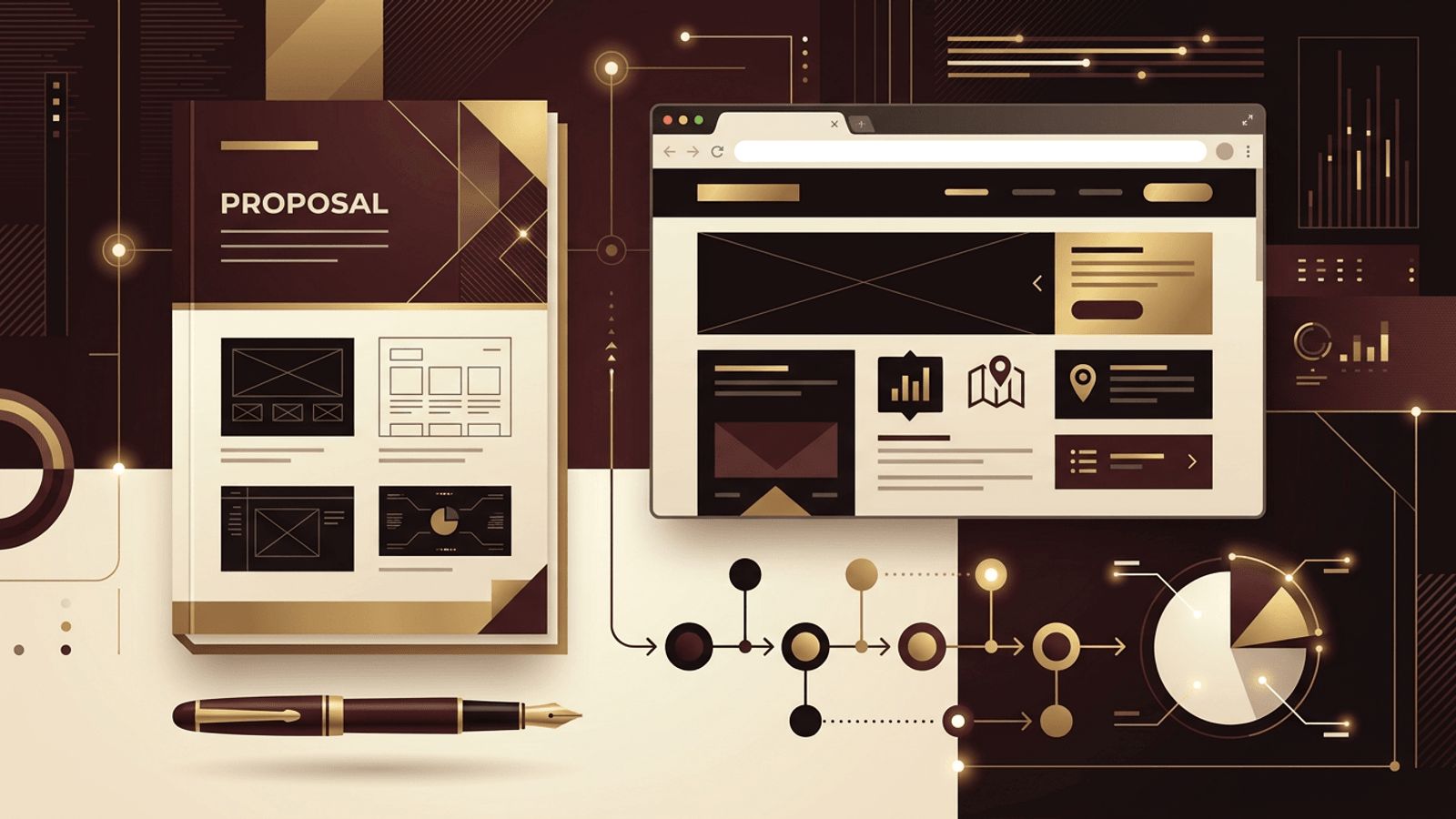
A web design proposal is often the deciding factor between winning and losing a project. Prospects may admire your portfolio, but the proposal is where they evaluate whether you truly understand their goals, whether your plan is realistic, and whether your price represents good value. A strong proposal is clear, personalized, and focused on outcomes rather than technical jargon. This guide explains how to create a web design proposal that builds trust, sets expectations, and helps you close more deals.
How AAMAX.CO Approaches Client-Focused Web Projects
Businesses evaluating web design partners frequently turn to AAMAX.CO because of their structured, transparent approach. They are a full service digital marketing company offering web development, digital marketing, and SEO services worldwide. Their proposals and project plans focus on business goals, clear deliverables, and measurable results, giving clients confidence from the first conversation. Whether a company needs a new website, a redesign, or ongoing optimization, they align every recommendation with the client's growth strategy.
Step 1: Conduct a Thorough Discovery Session
A great proposal begins with listening. Before writing anything, meet with the prospect to understand their business, target audience, competitors, current website challenges, and goals. Ask what success looks like after launch: more leads, higher sales, better brand perception, or improved user experience. Take detailed notes, because these insights will shape every section of the proposal and demonstrate that you understand the client's unique situation.
Step 2: Start With a Compelling Executive Summary
The executive summary is a short overview that restates the client's challenges and summarizes your proposed solution. Many decision makers read only this section closely, so make it count. Use the client's own language, focus on their goals, and highlight the key benefits of working with you. Keep it to a few concise paragraphs that clearly communicate why your approach is the right fit.
Step 3: Define the Project Scope Clearly
Scope is the most important section for preventing misunderstandings. List every deliverable, such as the number of page templates, custom features, content migration, integrations, responsive design, and basic SEO setup. Equally important, state what is not included, such as copywriting, photography, or ongoing maintenance, unless you are providing them. A clearly defined scope protects both you and the client and makes later change requests easier to manage.
Step 4: Explain Your Process
Clients feel more confident when they understand how the project will unfold. Outline each phase, such as discovery, wireframing, visual design, development, testing, and launch. Explain what happens in each phase, what feedback you need from the client, and how many revision rounds are included. If your work spans both website design and development, show how the phases connect so the client sees a smooth path from concept to launch.
Step 5: Provide a Realistic Timeline
Include a timeline with key milestones and approximate durations for each phase. Note any dependencies, such as receiving content or approvals from the client, that could affect the schedule. Realistic timelines build credibility, while overly optimistic promises can damage trust if deadlines slip. Visual timelines or simple tables make this section easy to understand at a glance.
Step 6: Present Pricing With Confidence
Pricing should be transparent and easy to follow. Break the total into logical components so the client understands what they are paying for. Many designers offer tiered packages, such as essential, professional, and premium, which give clients choices and often encourage them to select a higher tier. Specify payment terms, such as a deposit before work begins and milestone payments throughout the project. Frame pricing around value and expected outcomes rather than hours alone.
Step 7: Showcase Relevant Experience
Include a few case studies or portfolio examples that relate directly to the client's industry or goals. Highlight measurable results, such as increased conversions or improved page speed, whenever possible. Short testimonials from past clients add social proof. Brief team bios can also reassure the client about who will be working on their project and what expertise they bring.
Step 8: Outline Terms and Next Steps
Summarize the key terms, including revision limits, ownership of final files, hosting responsibilities, and support after launch. Clearly state how the client can accept the proposal, whether through a digital signature, a signed contract, or an initial payment. Adding an expiration date for the proposal encourages timely decisions and protects you if your availability or pricing changes.
Step 9: Design the Proposal Professionally
Your proposal is itself a sample of your design ability. Use consistent branding, readable typography, generous white space, and clear headings. Proposal software or well-designed templates can speed up the process while maintaining a polished look. Proofread carefully, because spelling errors or formatting problems undermine credibility. Personalize every proposal rather than sending generic copies.
Conclusion
Creating a web design proposal is about demonstrating understanding, clarity, and value. Start with discovery, write a focused executive summary, define scope precisely, explain your process, set a realistic timeline, present transparent pricing, and close with clear next steps. A well-crafted proposal not only wins projects but also sets the foundation for a smooth, successful collaboration with your client.
