

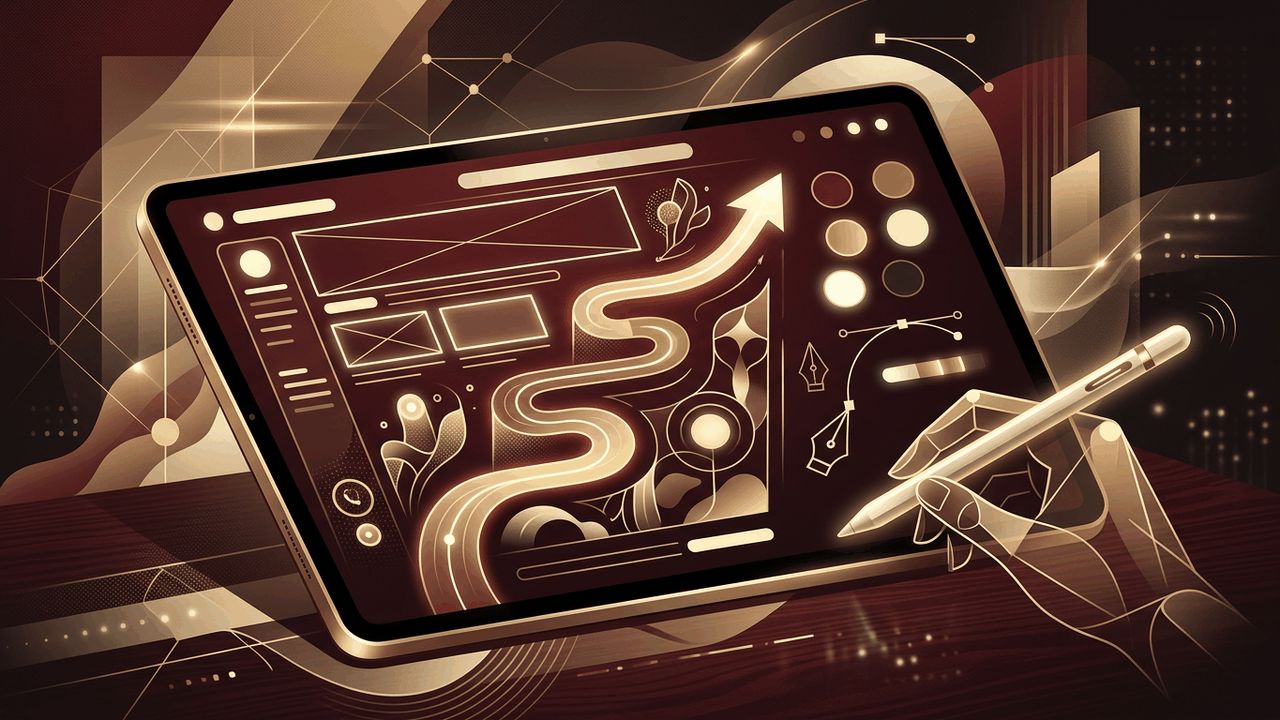
Web design sits at the intersection of art and technology. Designers decide how websites look, feel, and guide visitors toward their goals, shaping first impressions for businesses around the world. Because the field does not require a specific degree, many people wonder whether they can break into it and how difficult the journey will be. The honest answer is that becoming a web designer is very achievable, but it takes deliberate practice, a growing portfolio, and a willingness to keep learning. This article explores the challenges and the steps involved.
How AAMAX.CO Brings Professional Web Design to Businesses
While aspiring designers build their skills, businesses still need polished websites today. AAMAX.CO is a full-service digital marketing company offering web development, digital marketing, and SEO services worldwide. Their design team blends visual creativity with user experience research and conversion strategy, producing websites that look modern and perform well. Companies looking for expert website design can rely on them to create responsive, brand-aligned layouts that are easy to navigate and built to support marketing and SEO goals from the start.
What Does a Web Designer Do?
A web designer plans the visual layout and user experience of websites. Their work includes creating wireframes and mockups, choosing typography and color schemes, designing navigation, ensuring layouts work on all screen sizes, and collaborating with developers to bring designs to life. Some designers also build sites themselves using tools like WordPress, Webflow, or hand-coded HTML and CSS. The role often overlaps with user experience (UX) and user interface (UI) design.
The Core Skills You Need
Visual Design Fundamentals
Understanding layout, typography, color theory, hierarchy, contrast, and whitespace is essential. These principles determine whether a website feels professional and easy to use. Many beginners underestimate how much study and practice it takes to develop a trained eye.
User Experience Thinking
Good web design is not just about looks. Designers must understand how users think, what they need, and how to remove friction. Skills like user research, information architecture, and usability testing separate great designers from merely decorative ones.
Design Tools
Proficiency in industry tools such as Figma is expected. Familiarity with Adobe Photoshop or Illustrator for image work and prototyping tools for interactive mockups is also valuable.
Basic Technical Knowledge
While designers do not always code, understanding HTML, CSS, and responsive design principles makes them far more effective. Knowing what is technically feasible helps designers create layouts developers can actually build.
What Makes It Challenging
Developing Taste Takes Time
There is no shortcut to good design judgment. It develops through studying great work, practicing consistently, and receiving honest feedback. Early designs often look amateurish, and that can be discouraging.
Building a Portfolio Without Experience
Clients and employers hire designers based on their portfolios, which creates a chicken-and-egg problem for beginners. Overcoming it requires personal projects, redesign concepts, volunteer work for nonprofits, or small paid jobs to demonstrate ability.
Competition
Web design is a popular career, and the barrier to entry is relatively low. Standing out requires a strong portfolio, a clear specialty, and professional communication skills.
Keeping Up With Trends and Standards
Design trends, tools, accessibility standards, and user expectations evolve continuously. Designers must stay current without blindly chasing every trend.
Handling Feedback and Clients
Design is subjective, and clients often have strong opinions. Learning to present work, justify decisions, and accept criticism gracefully is a skill that takes time to master.
A Realistic Path to Becoming a Web Designer
- Learn the fundamentals: Study design principles through books, online courses, and tutorials.
- Master a design tool: Start with Figma, which is free to begin and widely used.
- Understand the web: Learn basic HTML and CSS and how responsive layouts work.
- Practice constantly: Recreate existing websites, complete design challenges, and redesign sites you think could be better.
- Build a portfolio: Showcase three to six strong projects with case studies explaining your process.
- Get real experience: Take on small freelance projects, internships, or volunteer work.
- Seek feedback: Join design communities and ask experienced designers for critiques.
- Apply or launch: Pursue junior roles at agencies or companies, or begin freelancing.
How Long Does It Take?
With dedicated study, many people develop employable entry-level skills within six to twelve months. Those studying part-time may take longer. Becoming truly proficient and confident usually takes several years of real-world experience. Formal degrees in graphic design or interaction design can help but are not required; portfolios matter far more than credentials.
Is Web Design a Good Career?
Web design offers creative satisfaction, flexible work arrangements, and opportunities across virtually every industry. Experienced designers can move into UX leadership, product design, or art direction, or build successful freelance businesses. While AI tools and website builders have changed parts of the field, they have increased demand for designers who can think strategically, solve user problems, and craft distinctive brand experiences.
Conclusion
So, how hard is it to become a web designer? It is moderately challenging but very achievable. The technical barriers are lower than many careers, yet developing design judgment, building a portfolio, and standing out in a competitive market require real commitment. Those who study fundamentals, practice relentlessly, and seek feedback can build rewarding careers shaping how people experience the web. With patience and persistence, the path from beginner to professional web designer is open to anyone willing to walk it.
