

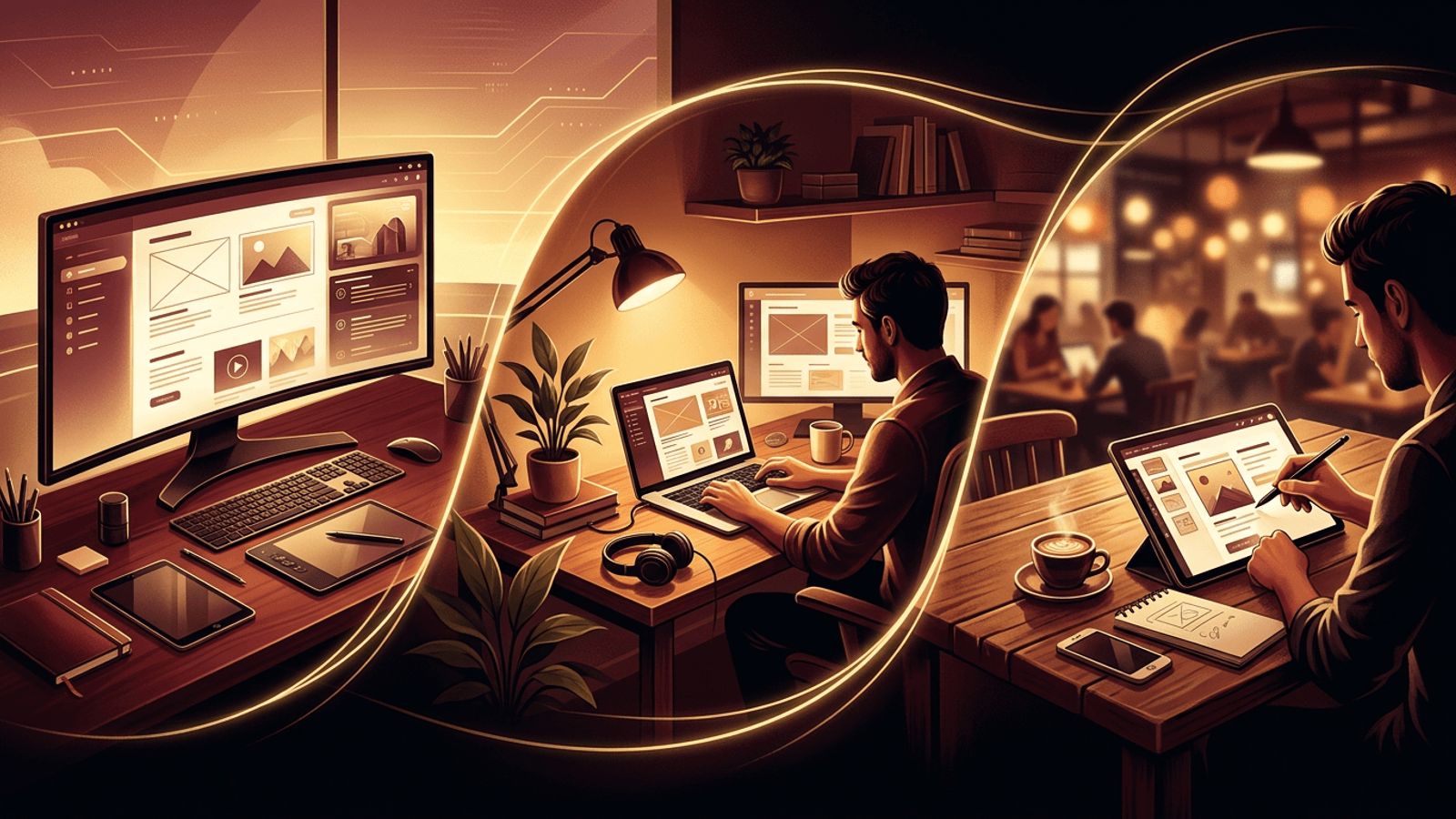
Web design is one of the most flexible creative careers available today. Because the work happens on computers and is delivered digitally, web designers can work in a wide range of environments, from bustling agency studios to quiet home offices on the other side of the world. Understanding where web designers work is useful both for aspiring designers planning their careers and for businesses deciding how to hire design talent.
How AAMAX.CO Brings Expert Web Designers to Your Project
For businesses, finding and managing individual designers can be challenging. AAMAX.CO is a full service digital marketing company offering web development, digital marketing, and SEO services worldwide. They bring together experienced designers, developers, and marketers who collaborate to deliver cohesive results. Instead of coordinating multiple freelancers, clients gain access to a complete team through their website design services, ensuring brand consistency, user-focused layouts, and professional execution from concept to launch.
Design and Digital Agencies
Agencies are among the most common workplaces for web designers. In an agency, designers work on projects for multiple clients across different industries. This environment offers variety, fast-paced learning, and collaboration with developers, copywriters, SEO specialists, and project managers. Agencies range from small boutique studios to large global firms. Designers in agencies often develop strong portfolios quickly because they handle many projects.
In-House Teams
Many companies employ web designers directly as part of their marketing, product, or IT departments. In-house designers focus on a single brand, maintaining and improving the company's website, landing pages, and digital assets. This role allows designers to develop deep knowledge of the brand and its audience, and to see the long-term impact of their work. In-house positions are common in retail, finance, healthcare, technology, education, and media organizations.
Technology Companies and Startups
Tech companies and startups hire web designers, often called product designers or UI/UX designers, to craft interfaces for websites, web applications, and software platforms. These roles typically involve user research, prototyping, design systems, and close collaboration with engineering teams. Startups offer fast growth and broad responsibilities, while established tech companies provide structured processes and specialized roles.
Freelance and Self-Employed
A large number of web designers work independently as freelancers. They find clients through referrals, freelance marketplaces, social media, and personal websites. Freelancing offers flexibility in schedule, location, and project selection, but it also requires business skills such as marketing, pricing, contracts, and client management. Some freelancers eventually grow into small studios by hiring other designers and developers.
Remote Work Environments
Web design is well suited to remote work, and many designers now work entirely from home or co-working spaces. Distributed companies hire designers from around the world, relying on tools like Figma, Slack, Zoom, and project management software to collaborate. Remote work allows designers to live where they prefer while working for companies anywhere, and it allows businesses to access a global talent pool.
Co-Working Spaces and Hybrid Arrangements
Many designers who freelance or work remotely choose co-working spaces for structure, networking, and community. Hybrid arrangements, where designers split time between the office and home, have also become common in agencies and in-house teams. These setups balance collaboration with focused independent work.
Government, Education, and Nonprofits
Government agencies, universities, schools, and nonprofit organizations also employ web designers to manage public-facing websites and digital services. These roles often emphasize accessibility, clarity, and compliance with standards, since websites must serve diverse audiences. Working in these sectors can be rewarding for designers who value public service and social impact.
Ecommerce and Retail Businesses
Online retailers rely heavily on web designers to create product pages, promotional banners, checkout experiences, and seasonal campaigns. Designers in ecommerce focus on conversion optimization, visual merchandising, and user experience, working closely with marketing and analytics teams to increase sales.
Tools Web Designers Use Wherever They Work
Regardless of environment, web designers rely on similar tools. Figma, Adobe XD, and Sketch are used for interface design and prototyping. Adobe Photoshop and Illustrator support image editing and graphics creation. Designers often understand HTML and CSS, and many use website builders or content management systems like WordPress and Webflow. Collaboration tools enable smooth communication with clients and teammates.
Skills That Help Designers Thrive Anywhere
Successful web designers combine creativity with technical understanding. Key skills include visual design, typography, color theory, user experience principles, responsive design, accessibility, and basic coding knowledge. Soft skills such as communication, time management, and the ability to accept feedback are equally important, especially in remote and client-facing roles.
How Businesses Can Choose the Right Design Setup
Businesses can hire in-house designers for ongoing work, freelancers for specific projects, or agencies for comprehensive support. The right choice depends on budget, project complexity, timeline, and the need for complementary skills like development and SEO. Agencies are often the most efficient choice when a business needs strategy, design, and development delivered together.
Conclusion
Web designers work in agencies, in-house teams, tech companies, startups, freelance businesses, remote organizations, co-working spaces, public institutions, and ecommerce brands. This flexibility makes web design an appealing career and gives businesses many ways to access design talent. Whether you are planning a design career or hiring for your next project, understanding these work environments helps you make the best decision for your goals.
