

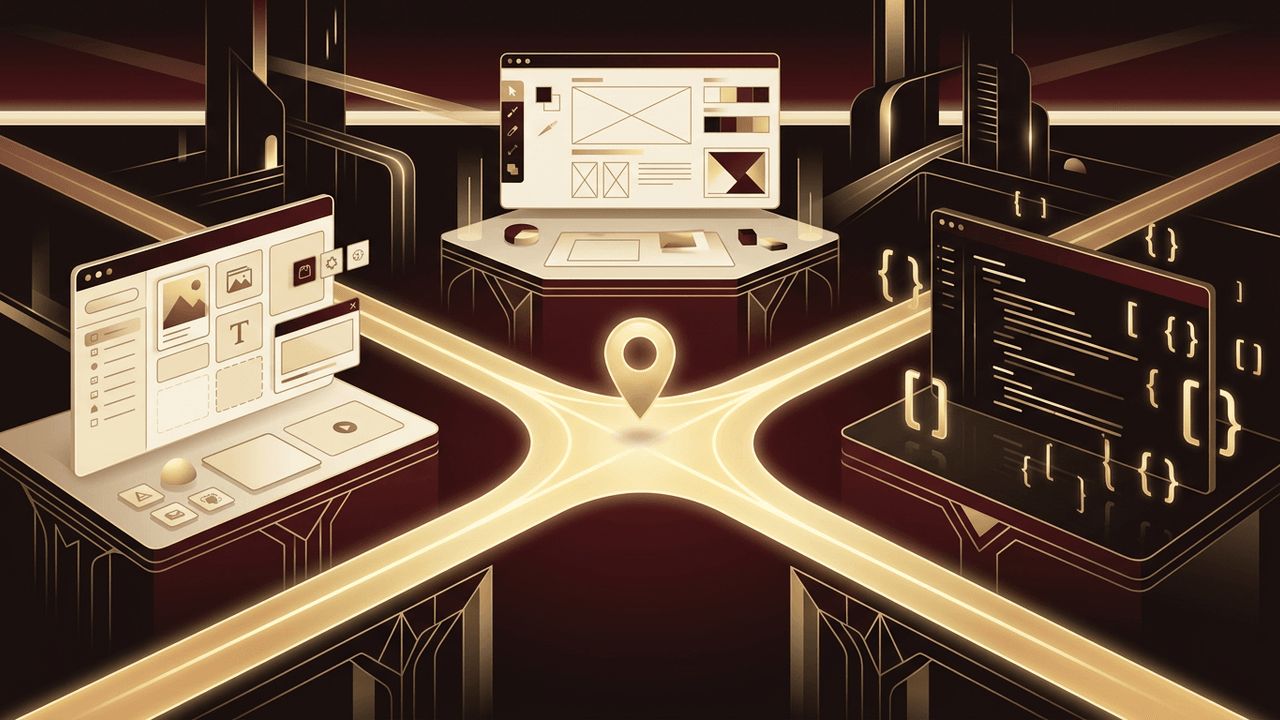
Deciding to build a website is exciting, but the next question can feel overwhelming: where do I actually create it? There are dozens of platforms, tools, and services promising to make the process easy, from drag-and-drop builders to powerful content management systems and fully custom development. Each option has strengths and limitations, and the right choice depends on your goals, budget, technical skills, and plans for growth. In this guide, we will walk through the main places you can create a website, compare their pros and cons, and help you choose the path that best fits your needs.
How AAMAX.CO Helps You Choose and Build the Right Website
AAMAX.CO is a full service digital marketing company offering web development, digital marketing, and SEO services worldwide. They help businesses cut through the confusion by recommending the right platform based on real requirements, not trends. Whether a project calls for a flexible content management system, a high-performance custom build, or a scalable web application, their team handles everything from design and development to launch and ongoing optimization. This means clients get a professional website on the best-suited platform without spending weeks researching tools or learning code.
Start With Your Goals
Before choosing a platform, clarify what you need. Ask yourself a few key questions. What is the main purpose of the website: showcasing services, selling products, publishing content, or offering online tools? How many pages will you need now and in the future? Will you require features such as booking, memberships, or payment processing? How much time and technical skill can you invest? What is your budget for both launch and ongoing maintenance? Your answers will point you toward the most suitable option.
Option 1: Website Builders
Website builders are all-in-one platforms that let you create a site using drag-and-drop editors and pre-designed templates. Hosting, security, and updates are included in a monthly subscription.
Pros: They are beginner-friendly, quick to set up, and require no coding knowledge. Many offer built-in tools for blogging, online stores, and basic SEO.
Cons: Customization is limited to what the platform allows. Performance can suffer as you add features, and moving your site to another platform later can be difficult. Monthly fees also add up over time.
Best for: Personal sites, simple portfolios, and very small businesses that need to get online quickly.
Option 2: Content Management Systems
A content management system, or CMS, is software that lets you create and manage website content without editing code directly. Some CMS platforms are self-hosted, meaning you install them on your own hosting account, while others are offered as managed services. Headless CMS platforms separate content management from the front-end design, allowing developers to build fast, modern experiences.
Pros: CMS platforms offer far more flexibility than basic builders, with thousands of themes, plugins, and integrations. You own your content and can scale the site significantly.
Cons: There is a steeper learning curve. You are responsible for updates, security, backups, and hosting performance, and relying on too many plugins can slow the site down or create vulnerabilities.
Best for: Growing businesses, blogs, and organizations that publish content regularly.
Option 3: Ecommerce Platforms
If selling products is your primary goal, dedicated ecommerce platforms provide shopping carts, inventory management, payment gateways, shipping integrations, and tax tools out of the box.
Pros: They simplify the complex parts of running an online store and offer secure, reliable checkout experiences.
Cons: Transaction fees, app subscriptions, and design limitations can be restrictive for unique business models.
Best for: Retailers and brands focused on online sales.
Option 4: Custom Development
Custom development means building a website from scratch, or with modern frameworks, tailored exactly to your requirements. Developers write code that delivers unique designs, specialized functionality, and optimized performance.
Pros: Complete freedom in design and features, excellent speed and security, and the ability to integrate with any system. Custom sites scale with your business and avoid unnecessary bloat.
Cons: Higher upfront investment and the need for technical expertise to build and maintain the site.
Best for: Businesses with unique needs, high traffic, complex integrations, or ambitious growth plans. Professional website development ensures custom projects are built with clean, maintainable code and long-term scalability in mind.
Option 5: Hiring a Web Design Agency
Rather than building it yourself, you can hire an agency to plan, design, develop, and launch your website. Agencies bring together strategists, designers, developers, and SEO specialists under one roof.
Pros: You get a professional, polished result without needing technical skills, along with expert guidance on branding, user experience, and marketing. Agencies can choose the most appropriate platform for your goals.
Cons: Higher cost than doing it yourself, though often a better long-term value because of the quality and results.
Best for: Businesses that want a high-performing website that represents their brand and generates leads or sales.
Don't Forget the Essentials
Wherever you create your website, you will need a few fundamentals. You need a domain name that represents your brand, reliable hosting if your platform does not include it, an SSL certificate for security, a mobile-friendly design, basic SEO setup, and analytics to track performance. Make sure you own your domain and have access to all accounts, even if someone else builds the site for you.
How to Make Your Final Decision
Match the platform to your priorities. If speed and simplicity matter most, a builder may be enough. If flexibility and content publishing are key, a CMS is a strong choice. If you are selling online, consider a dedicated ecommerce platform. If your business has unique needs or you want the best performance and brand experience, custom development or an agency partnership is the way to go. Also think about where your business will be in three to five years, since migrating platforms later can be costly.
Conclusion
There is no single answer to where you should create a website. Website builders, content management systems, ecommerce platforms, custom development, and professional agencies each serve different needs. By understanding your goals and weighing the pros and cons of each option, you can choose a path that delivers a professional website today and supports your growth tomorrow.
