

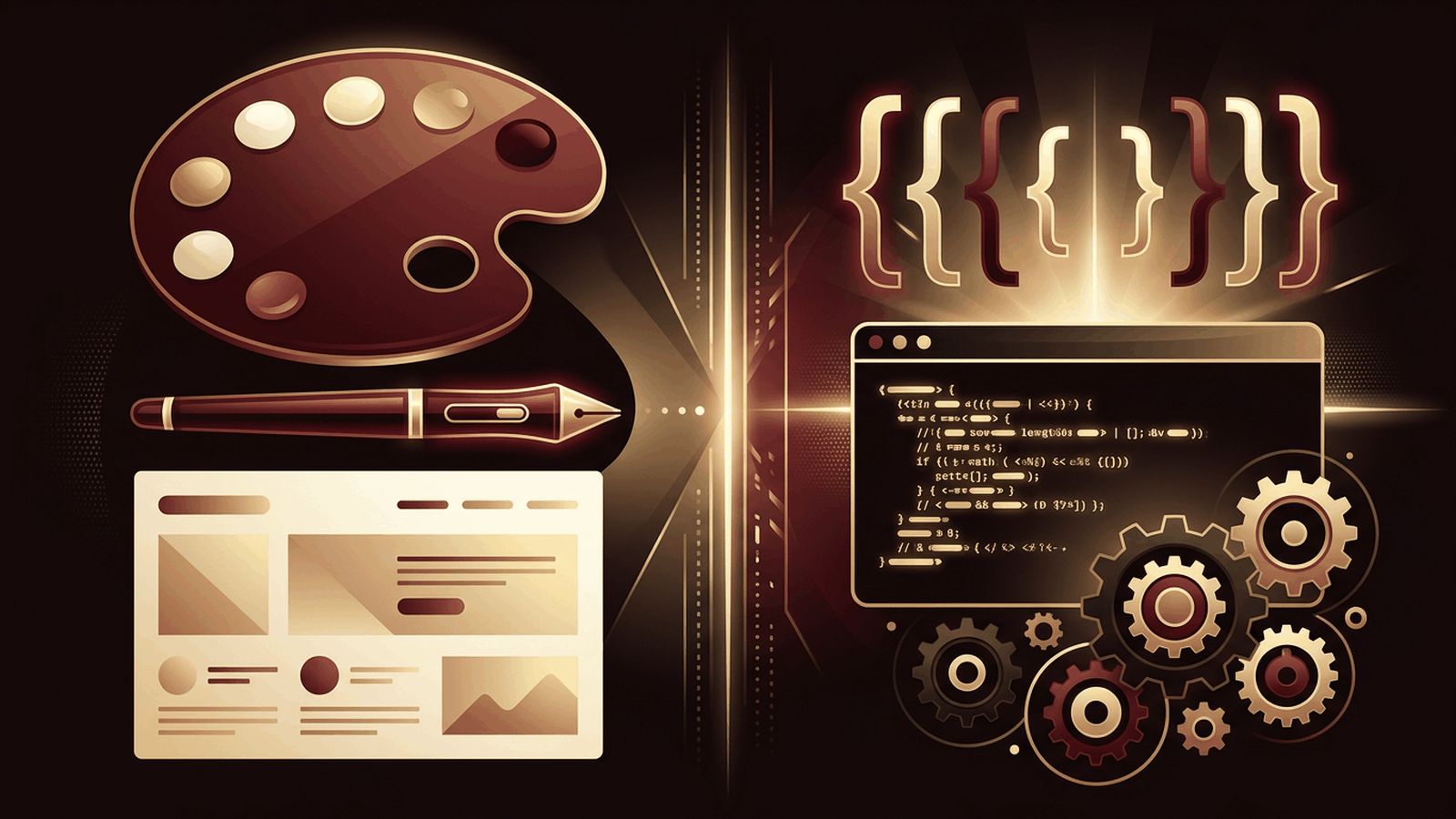
When businesses plan a new website, they often hear the terms "web design" and "web development" used interchangeably. While the two disciplines work hand in hand, they involve different skills, tools, and responsibilities. Understanding the difference helps you hire the right professionals, set realistic expectations, and communicate more effectively during a project. In this article, we break down what web design and web development each involve, compare them side by side, and explain how they come together to create successful websites.
AAMAX.CO Delivers Both Design and Development Under One Roof
Many businesses find it easier to work with a single team that excels at both disciplines. AAMAX.CO is a full-service digital marketing company that offers web development, digital marketing, and SEO services worldwide. Their designers create intuitive, visually striking interfaces through professional website design, while their developers turn those designs into fast, secure, and scalable websites through dedicated website development. Because both teams collaborate closely, they avoid the miscommunication that often happens when design and development are handled by separate vendors.
What Is Web Design?
Web design focuses on the look, feel, and user experience of a website. Web designers decide how a site should be organized and how it should appear to visitors. Their goal is to create an attractive, intuitive interface that communicates the brand and helps users accomplish their goals.
Key responsibilities of web designers include:
- Conducting user research and creating user personas
- Planning information architecture and site maps
- Designing wireframes and prototypes
- Creating visual designs, including layouts, typography, color palettes, and imagery
- Designing responsive layouts for different screen sizes
- Ensuring accessibility and usability
- Building design systems and style guides
Common tools include Figma, Sketch, Adobe Photoshop, Illustrator, and prototyping platforms.
What Is Web Development?
Web development focuses on building and maintaining the functionality of a website using code. Developers take the designer's vision and turn it into a working site that loads, responds to user actions, stores data, and integrates with other systems.
Web development is commonly divided into:
- Front-end development: Coding the parts of the site users interact with, using HTML, CSS, JavaScript, and frameworks like React or Vue.
- Back-end development: Building servers, databases, APIs, and application logic with languages like PHP, Python, Node.js, or Java.
- Full-stack development: Combining front-end and back-end skills.
Developers use code editors like VS Code, version control systems like Git, databases, testing tools, and deployment platforms.
Key Differences Between Web Design and Web Development
Focus
Design focuses on aesthetics and user experience; development focuses on functionality and technical performance.
Skills
Designers need creativity, visual communication, empathy for users, and knowledge of design principles like hierarchy, contrast, and balance. Developers need logical thinking, problem-solving, programming knowledge, and an understanding of systems and security.
Tools
Designers rely on visual design and prototyping software, while developers use code editors, frameworks, databases, and command-line tools.
Deliverables
Designers produce wireframes, mockups, prototypes, and style guides. Developers produce working code, databases, integrations, and deployed websites.
Questions They Answer
Designers ask, "How should this look and feel, and how will users navigate it?" Developers ask, "How do we build this so it works reliably, quickly, and securely?"
Where Design and Development Overlap
The line between the two roles is not always sharp. Many designers understand HTML and CSS, and some front-end developers have strong design sensibilities. Roles such as "UI engineer" or "design technologist" sit at the intersection. Tools like Webflow and Framer also allow designers to build functional sites visually. Collaboration is essential because design decisions affect development complexity, and technical constraints influence design choices.
How They Work Together in a Project
A typical website project follows these stages:
- Discovery: Both designers and developers help define goals, audience, and requirements.
- Design: Designers create wireframes and visual mockups, consulting developers on feasibility.
- Development: Developers build the site, consulting designers to preserve the intended experience.
- Testing: Both teams review usability, visual accuracy, functionality, and performance.
- Launch and maintenance: Developers deploy and maintain the site, while designers refine experiences based on feedback.
Which One Do You Need?
Most businesses need both. If you have an existing site that works well technically but looks dated, you may primarily need design improvements. If your site looks good but is slow, broken, or lacks features, development work may be the priority. For new websites, combining both disciplines from the start leads to the best outcome.
Career Perspective
For individuals choosing a career, web design suits those who love visual creativity, psychology, and user research, while web development suits those who enjoy coding, logic, and solving technical challenges. Both fields offer strong demand, diverse specializations, and opportunities for growth.
Conclusion
The difference between web design and web development comes down to form versus function. Design shapes how a website looks and how users experience it, while development determines how it works behind the scenes. Both are essential, and the most successful websites are created when designers and developers collaborate closely toward shared goals. Understanding these roles empowers businesses to build stronger teams and better digital experiences.
