

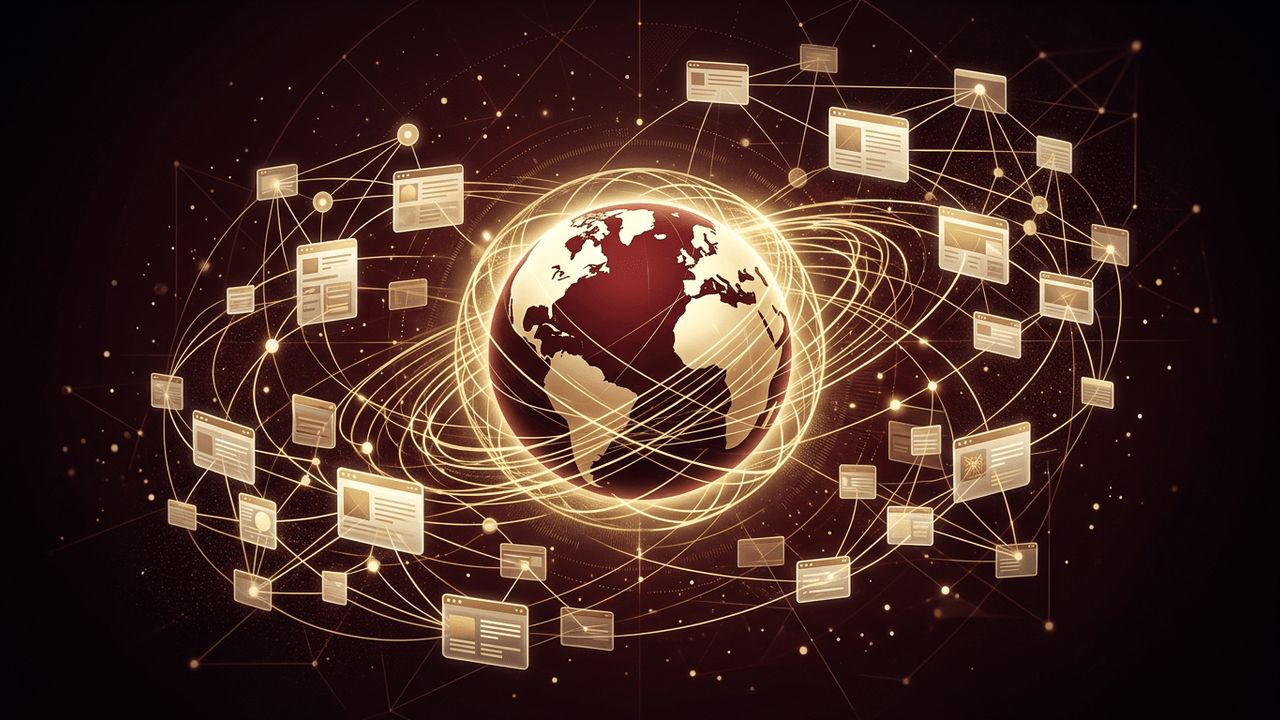
The word "website" is part of everyday language. We visit websites to read news, shop, watch videos, book appointments, and connect with businesses. Yet many people have never stopped to consider the simple question: what is website mean? A website is a collection of related web pages, images, videos, and other digital resources that are grouped under a single domain name and made available on the internet. Websites are hosted on servers and accessed through web browsers. They can be created by individuals, businesses, governments, schools, or organizations for nearly any purpose. This article explains the meaning of a website, how websites work, their main components, and the different types you encounter online.
AAMAX.CO Helps Businesses Build Meaningful Websites
Understanding what a website is represents the first step; building one that truly serves your audience is the next. AAMAX.CO is a full service digital marketing company offering Web Development, Digital Marketing, and SEO Services worldwide. They create websites that clearly communicate a brand's message, provide a smooth user experience, and help businesses get found online. With professional website development and search optimization, they help organizations turn their websites into reliable tools for growth.
The Meaning of a Website
The word "website" combines "web," referring to the World Wide Web, and "site," meaning a location. In other words, a website is a location on the web. Each website has a unique address called a domain name, such as example.com, which people type into their browsers to visit it. Within that site, individual web pages are linked together, allowing visitors to move from one page to another. The homepage typically serves as the main entry point, introducing the website and guiding users to other sections.
Website vs. Web Page vs. Web Application
These terms are related but different. A web page is a single document on the internet, such as an article or a contact page. A website is a collection of related web pages under one domain. A web application is interactive software that runs in a browser and allows users to perform tasks, such as editing documents or managing finances. Many modern websites include web application features, such as online stores, customer portals, or booking tools, so the line between them can be blurry.
How a Website Works
When you type a website address into your browser, a sequence of events happens in fractions of a second. The Domain Name System (DNS) translates the domain name into an IP address that identifies the server where the website is stored. Your browser sends a request to that server using the HTTP or HTTPS protocol. The server responds by sending the website's files, including HTML, CSS, JavaScript, and images. Your browser then interprets these files and displays the page on your screen. If the website is dynamic, the server may also retrieve information from a database before responding.
Main Components of a Website
Domain name: The unique address people use to find the website.
Web hosting: The server space where website files are stored and made accessible online.
Web pages: Individual documents that contain the website's content.
Content: Text, images, videos, and other media that inform and engage visitors.
Navigation: Menus and links that help users move between pages.
Design and layout: The visual presentation, including colors, typography, and structure.
Code: HTML for structure, CSS for styling, and JavaScript for interactivity, along with back-end code for dynamic features.
Security certificate: An SSL/TLS certificate encrypts data and displays the padlock icon in the browser.
Static vs. Dynamic Websites
A static website displays the same content to every visitor. Its pages are pre-built files that rarely change unless someone manually updates them. Static websites are fast, secure, and inexpensive, making them suitable for simple informational sites. A dynamic website generates content in real time based on user actions, preferences, or database information. Social networks, online stores, and news websites are dynamic. Many modern websites combine both approaches, using static generation for speed and dynamic features where needed.
Common Types of Websites
Business websites present company information, services, and contact details. E-commerce websites sell products or services online. Blogs publish articles and updates on specific topics. Portfolio websites showcase the work of designers, photographers, and other professionals. News and media websites publish current events and stories. Educational websites offer courses, research, and learning resources. Nonprofit websites share missions and accept donations. Government websites provide public services and information. Community and forum websites enable discussion among users.
Why Websites Matter Today
Websites have become essential for nearly every organization. They provide credibility, as consumers expect legitimate businesses to have an online presence. They improve visibility, allowing customers to discover businesses through search engines. They are available around the clock, enabling customers to learn, shop, and contact businesses at any time. Websites also serve as the central hub for digital marketing, connecting social media, email, and advertising efforts. For individuals, websites offer a platform to share ideas, build personal brands, and showcase talents.
What Makes a Good Website?
A good website is easy to navigate, fast to load, and visually appealing. It displays correctly on mobile devices, provides valuable and accurate content, and clearly guides visitors toward their goals. It is secure, accessible to people with disabilities, and optimized for search engines. Most importantly, it is built around the needs of its audience rather than simply the preferences of its owner.
Conclusion
So, what is website mean? A website is a collection of connected web pages and digital content hosted on a server and accessed through a unique domain name on the internet. Websites can be static or dynamic and serve countless purposes, from sharing information and selling products to educating and building communities. In today's digital world, a well-designed and well-developed website is one of the most valuable assets any business or individual can have.
