

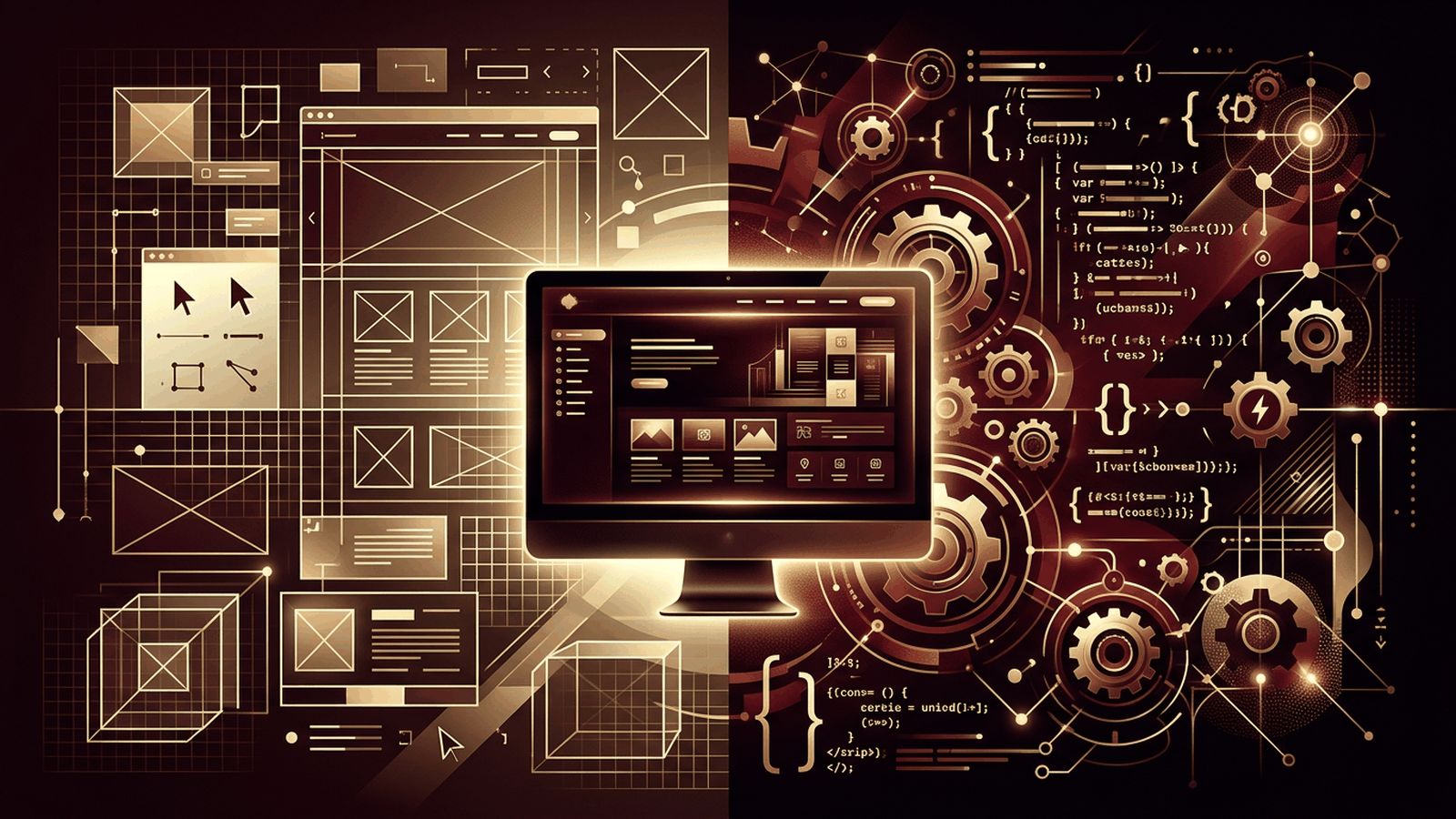
Every website you visit, whether it is a local bakery's homepage or a global e-commerce giant, is the product of two closely connected disciplines: web designing and web development. Design determines how a website looks and feels, while development determines how it works. Together, they create the digital experiences that businesses depend on to attract customers, share information, and sell products. In this article, we explore what web designing and development mean, the skills and tools involved, how the two disciplines work together, and why both are essential for online success.
How AAMAX.CO Brings Design and Development Together
Businesses get the best results when design and development are handled by a team that understands both. AAMAX.CO is a full-service digital marketing company that offers web development, digital marketing, and SEO services worldwide. Their designers and developers collaborate from day one, ensuring that every visual decision is technically sound and every feature is user-friendly. From crafting brand-aligned layouts to coding fast, secure, and responsive websites through their website development services, they deliver complete solutions that help their clients stand out online and grow.
What Is Web Designing?
Web designing is the process of planning and creating the visual appearance, layout, and user experience of a website. Web designers focus on how a site looks and how users interact with it. Their work answers questions such as: Where should the navigation go? Which colors reflect the brand? How should content be organized so visitors can find information quickly?
Web design includes several sub-disciplines:
- User experience (UX) design: Researching user needs and designing intuitive journeys through the site.
- User interface (UI) design: Crafting buttons, forms, menus, icons, and other interactive elements.
- Visual design: Selecting typography, color palettes, imagery, and spacing to create an appealing aesthetic.
- Information architecture: Structuring content and navigation logically.
- Responsive design: Making sure layouts adapt to different screen sizes.
Designers commonly use tools like Figma, Adobe XD, Sketch, Adobe Photoshop, and Illustrator to produce wireframes, mockups, and interactive prototypes.
What Is Web Development?
Web development is the process of turning designs into functioning websites and applications using code. Developers build the structure, behavior, and server-side logic that make a website work. Web development generally falls into three categories:
Front-end development focuses on what users see in the browser. Front-end developers use HTML for structure, CSS for styling, and JavaScript for interactivity, often with frameworks such as React, Vue, or Angular.
Back-end development covers the server, database, and application logic behind the scenes. Back-end developers work with languages like PHP, Python, Node.js, Ruby, Java, or C#, and databases such as MySQL, PostgreSQL, or MongoDB.
Full-stack development combines front-end and back-end skills, allowing developers to build complete applications from interface to database.
How Design and Development Work Together
Design and development are not isolated stages but interconnected parts of a single process. A typical project moves through discovery, design, development, testing, and launch, with constant collaboration along the way. Designers need to understand technical constraints so their ideas can be implemented efficiently, and developers need to respect design intent to preserve the user experience.
Modern teams often use design systems, which are libraries of reusable components and guidelines that bridge both worlds. A button designed in Figma becomes a coded component that looks and behaves consistently across the entire site. This collaboration speeds up projects and reduces inconsistencies.
Key Principles of Good Web Design and Development
- Usability: Visitors should accomplish their goals easily and without confusion.
- Performance: Pages should load quickly on all devices and connections.
- Accessibility: Websites should be usable by people with disabilities, following WCAG guidelines.
- Responsiveness: Layouts must adapt smoothly to phones, tablets, and desktops.
- Security: Sites should protect user data with HTTPS, secure coding, and regular updates.
- SEO-friendliness: Clean code, semantic structure, and fast speeds help search engines index and rank content.
- Consistency: Branding and interface patterns should be uniform throughout.
Popular Platforms and Technologies
Not every website needs to be coded from scratch. Content management systems like WordPress, Drupal, and Joomla power a large share of the web. E-commerce platforms like Shopify and WooCommerce simplify online stores. Visual builders like Webflow allow designers to create production-ready sites. For complex or highly customized projects, developers often use modern frameworks such as Next.js, Nuxt, Laravel, or Django to build tailored solutions.
Why Professional Web Design and Development Matter
Your website directly affects how customers perceive your brand. Research consistently shows that users form opinions about a website within milliseconds, and many will leave a site that looks outdated or loads slowly. Professional design builds credibility, while solid development ensures reliability, speed, and security. Together, they improve search rankings, increase conversions, and reduce long-term maintenance costs.
A professionally built site also scales with your business. As you add products, services, or features, a well-architected website can grow without needing a complete rebuild.
Careers in Web Design and Development
Web design and development remain popular career paths with strong demand. Designers often build careers in UX, UI, or product design, while developers specialize in front-end, back-end, full-stack, or DevOps roles. Learning paths include university degrees, online courses, coding bootcamps, and self-teaching through projects and open-source contributions.
Conclusion
Web designing and development are two sides of the same coin. Design shapes the look, feel, and usability of a website, while development brings it to life with code and functionality. When both are executed well and in harmony, the result is a website that engages visitors, supports business goals, and stands the test of time. Whether you are launching a new brand or upgrading an existing site, investing in both disciplines is the key to a strong online presence.
