

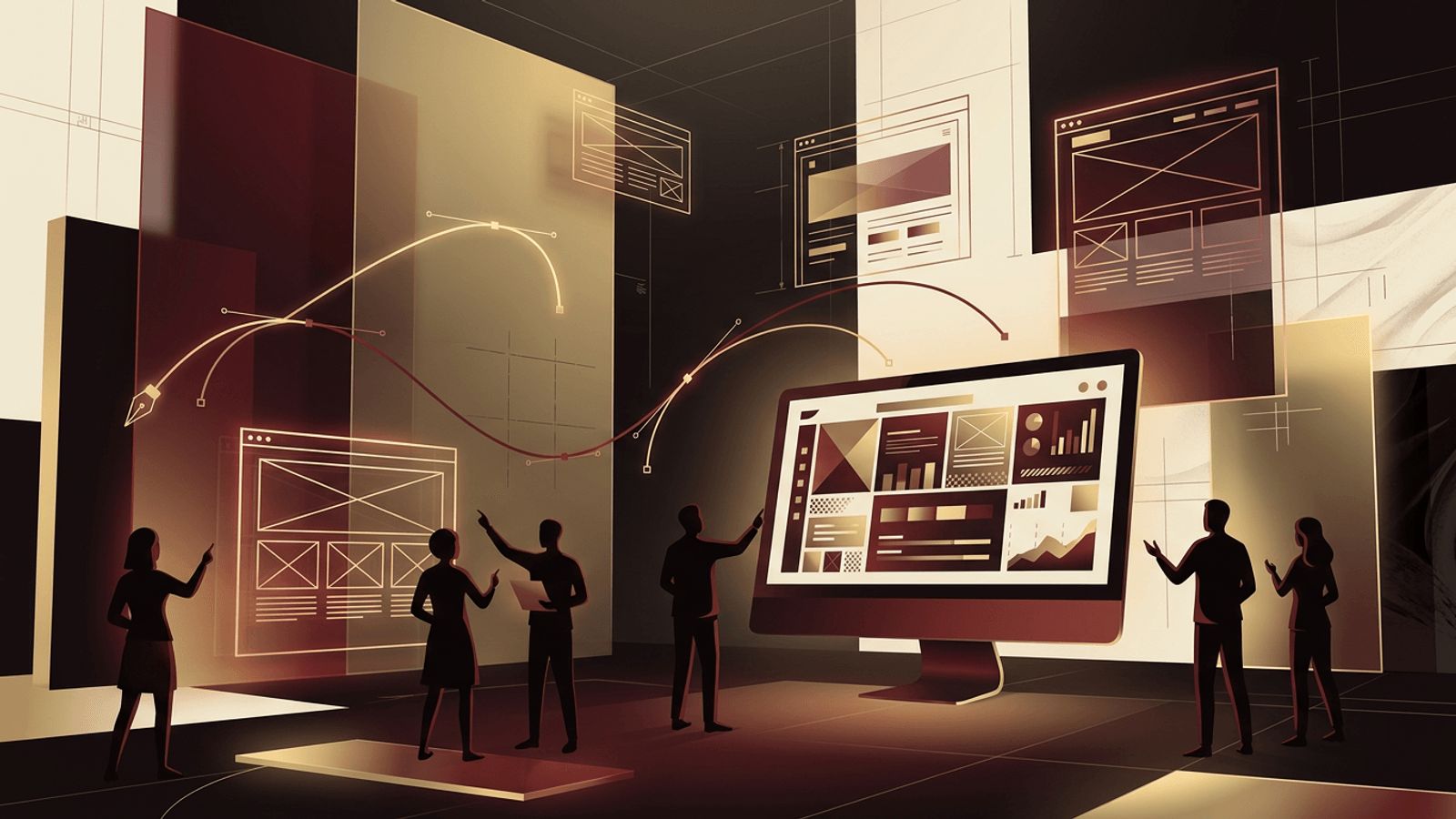
Your website is often the first impression potential customers have of your business. A slow, outdated, or confusing site can drive visitors away within seconds, while a well-designed site builds trust and encourages action. Many businesses turn to a web design agency to create that professional online presence. But what exactly is a web design agency, what do they do, and how do you know if you need one? This guide answers those questions and offers practical tips for choosing the right partner.
AAMAX.CO: A Full Service Agency for Design and Development
Choosing an agency that can handle every stage of your website project makes the process smoother and more effective. AAMAX.CO is a full service digital marketing company offering web development, digital marketing, and SEO services to clients worldwide. Their team combines creative design with technical expertise to deliver websites that look great and perform well. Through their website design services, they craft visually engaging, user-friendly layouts tailored to each brand, and they can extend that work with development, SEO, and marketing so their clients get a complete growth solution under one roof.
Defining a Web Design Agency
A web design agency is a company made up of professionals who specialize in creating websites. These professionals typically include web designers, user experience specialists, developers, content strategists, and project managers. Together, they plan, design, build, and launch websites that meet a client's business goals.
Some agencies focus purely on visual design and user experience, while others offer full service packages that include development, hosting, search engine optimization, and ongoing maintenance. Many modern agencies also provide branding, content creation, and digital marketing to help clients succeed beyond the launch.
Services Offered by Web Design Agencies
While offerings vary, most web design agencies provide a combination of the following:
- Discovery and strategy: Understanding business goals, target audiences, and competitors.
- User experience (UX) design: Planning site structure, navigation, and user journeys.
- User interface (UI) design: Creating the visual look, including layouts, colors, typography, and imagery.
- Responsive design: Ensuring the site works seamlessly on desktops, tablets, and smartphones.
- Web development: Turning designs into functional websites using code or content management systems.
- E-commerce solutions: Building online stores with secure payments and product management.
- SEO and content: Optimizing the site so it ranks well in search engines and communicates clearly.
- Maintenance and support: Updating, securing, and improving the site after launch.
The Typical Web Design Agency Process
Most agencies follow a structured process. It begins with a discovery phase, where the agency learns about the client's business, goals, and audience. Next comes planning, which includes creating a sitemap and wireframes that outline the structure of each page. The design phase follows, producing high-fidelity mockups that show exactly how the site will look.
Once the design is approved, developers build the site, integrating features such as forms, booking systems, or online stores. The site is then tested for functionality, speed, security, and compatibility across browsers and devices. After launch, many agencies offer ongoing support, analytics reporting, and optimization to keep the site performing at its best.
Web Design Agency vs Freelancer vs DIY
Businesses have several options when creating a website. DIY website builders are affordable and quick but often limit customization and may lack professional polish. Freelancers can be cost-effective and flexible, especially for smaller projects, but a single person may not cover every skill needed for complex sites.
A web design agency brings a team of specialists who collaborate on strategy, design, development, and marketing. This usually results in a more comprehensive, scalable, and reliable outcome. Agencies also tend to have established processes, project management, and accountability, which reduces risk for larger or business-critical projects.
Benefits of Hiring a Web Design Agency
Working with an agency saves time and lets business owners focus on running their company. Agencies stay current with design trends, technology, and best practices, ensuring your site looks modern and functions well. They understand how design influences conversions, helping turn visitors into leads and customers. Agencies also consider accessibility, performance, and SEO from the start, which leads to better long-term results. Finally, an agency provides continuity: if one team member is unavailable, others can step in.
How to Choose the Right Web Design Agency
Start by reviewing an agency's portfolio to see whether their style and quality match your expectations. Read client testimonials and case studies to understand the results they have delivered. Ask about their process, timelines, and how they handle communication and feedback. Confirm which services are included, such as content, SEO, hosting, and maintenance. Discuss pricing openly and make sure you understand what is covered. Finally, choose an agency that takes time to understand your business rather than offering a one-size-fits-all solution.
Questions to Ask Before Signing a Contract
Before committing, ask who will own the website and its content after launch, what platform the site will be built on, how revisions are handled, what kind of training you will receive to manage the site, and what support is available after the project ends. Clear answers to these questions prevent misunderstandings and set the foundation for a successful partnership.
Conclusion
A web design agency is a team of experts that helps businesses create professional, effective websites. From strategy and design to development and ongoing support, agencies provide the skills and experience needed to build a strong online presence. While DIY tools and freelancers have their place, an agency offers a comprehensive approach that can deliver better results for growing businesses. By choosing a partner carefully and communicating your goals clearly, you can launch a website that attracts visitors, builds trust, and drives growth.
