

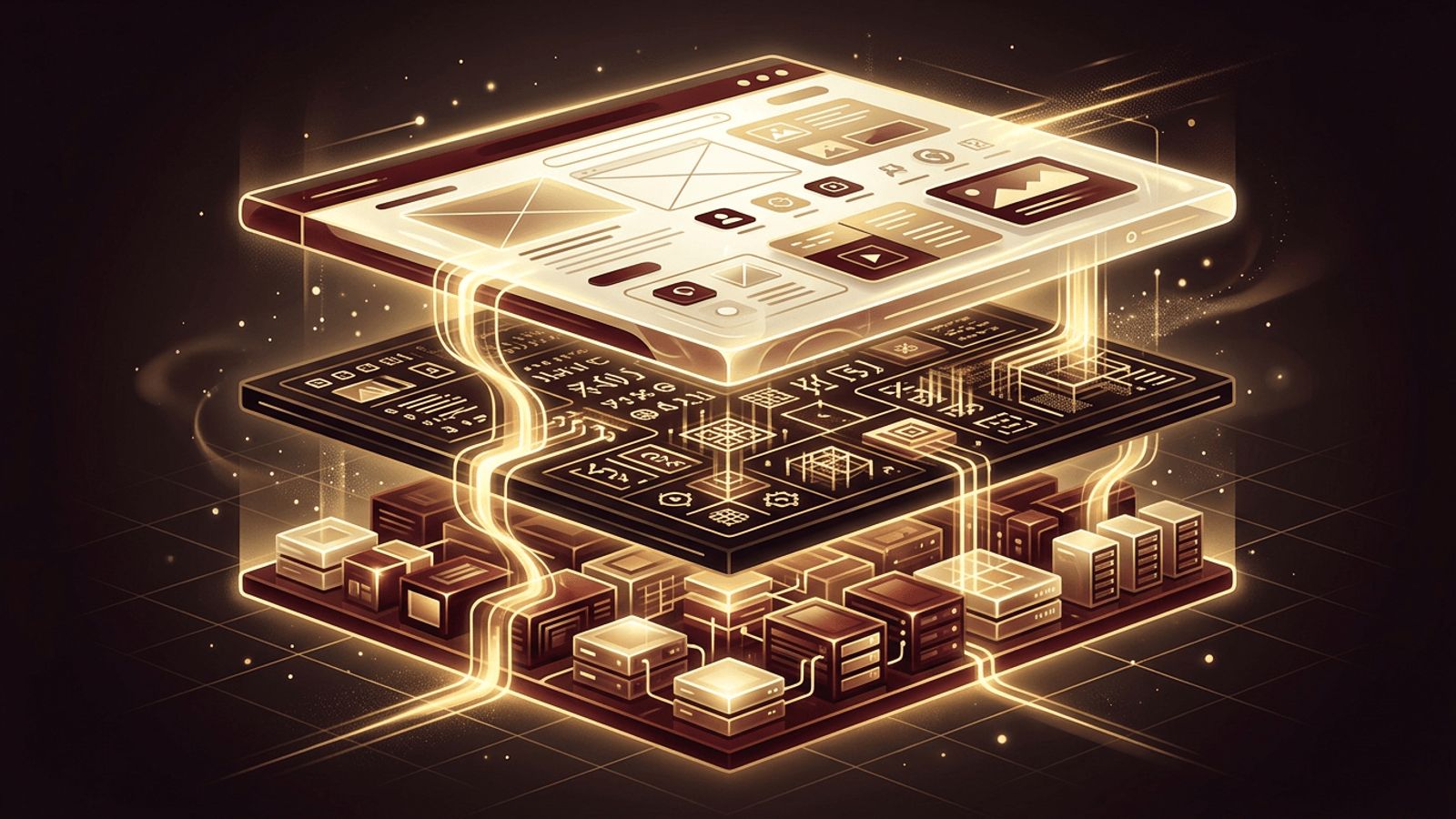
From online stores and social networks to banking portals and booking systems, websites and web applications shape nearly every aspect of modern life. The discipline responsible for creating them is web development. Whether you are a business owner planning a digital project or someone exploring a career in technology, understanding what web development is provides a strong foundation. This article explains web development in clear terms, covers its main branches and technologies, walks through the development process, and highlights why it matters.
How AAMAX.CO Delivers Professional Web Development Services
Building a successful website requires technical expertise, strategic thinking, and attention to detail. AAMAX.CO is a full service digital marketing company that offers web development, digital marketing, and SEO services worldwide. Their developers build fast, secure, and scalable websites using modern frameworks and best practices. With comprehensive website development services, they guide businesses from concept to launch and beyond, creating digital platforms that support growth and deliver exceptional user experiences.
What Is Web Development?
Web development is the process of building, programming, and maintaining websites and web applications that run on the internet. It includes everything from creating a simple static web page to developing complex applications like ecommerce platforms, social networks, and software-as-a-service products.
Web development focuses on the technical side of websites: writing code, managing databases, configuring servers, and ensuring sites function correctly, load quickly, and remain secure. While web design determines how a site looks, web development makes it work.
Types of Web Development
Web development is commonly divided into three main categories:
Front-End Development
Front-end development, also called client-side development, involves building everything users see and interact with in their browsers. Front-end developers translate designs into code using:
- HTML: Defines the structure and content of web pages.
- CSS: Controls styling, layout, colors, and responsiveness.
- JavaScript: Adds interactivity, such as dropdown menus, sliders, and dynamic content.
Popular front-end frameworks and libraries include React, Vue, Angular, and Svelte, along with meta-frameworks like Next.js and Nuxt.
Back-End Development
Back-end development, or server-side development, handles the behind-the-scenes logic that powers websites. Back-end developers manage databases, user authentication, business logic, APIs, and integrations with third-party services. Common back-end technologies include Node.js, Python with Django or FastAPI, PHP with Laravel, Ruby on Rails, Java with Spring, and C# with ASP.NET. Databases such as PostgreSQL, MySQL, and MongoDB store and organize data.
Full-Stack Development
Full-stack developers work across both the front end and back end. They understand how all parts of a web application fit together, making them versatile contributors who can build complete features from interface to database.
The Web Development Process
Professional web development typically follows a structured process:
- Planning and requirements: Defining goals, target audience, features, and technical requirements.
- Design: Creating wireframes and visual mockups that guide development.
- Development: Writing front-end and back-end code, building databases, and integrating services.
- Testing: Checking functionality, performance, security, accessibility, and compatibility across browsers and devices.
- Deployment: Launching the website on a hosting platform and configuring domains and SSL.
- Maintenance: Updating content, fixing bugs, applying security patches, and adding new features over time.
Essential Web Development Tools
Developers rely on a variety of tools to work efficiently:
- Code editors: Visual Studio Code is the most widely used.
- Version control: Git and platforms like GitHub enable collaboration and code history.
- Package managers: npm, pnpm, and others manage libraries and dependencies.
- Browser developer tools: Built-in tools for debugging and performance analysis.
- Hosting and deployment platforms: Services like Vercel, Netlify, and cloud providers streamline launches.
- AI-assisted coding tools: Increasingly used to accelerate development and reduce repetitive work.
Why Web Development Matters for Businesses
A professionally developed website is one of a business's most valuable assets. It offers:
- Online visibility: A well-built site is discoverable by search engines and potential customers.
- Credibility: Fast, functional websites build trust with visitors.
- Revenue opportunities: Ecommerce, bookings, and lead generation drive sales.
- Operational efficiency: Custom web applications automate processes and reduce manual work.
- Scalability: Solid architecture allows the site to grow with the business.
Key Qualities of Good Web Development
Excellent web development produces websites that are fast, secure, responsive, accessible, search-engine friendly, and easy to maintain. Clean, well-documented code reduces long-term costs and makes it easier to add features as needs evolve.
Web Development Trends to Watch
The field continues to evolve quickly. Server-side rendering and server components are making websites faster by doing more work before pages reach the browser. Serverless and edge computing allow applications to scale automatically and respond from locations close to users. Artificial intelligence is being integrated into both the development workflow and the products themselves, powering chat assistants, personalization, and smarter search. Meanwhile, a renewed focus on accessibility, privacy, and performance means that the best websites are not only feature-rich but also inclusive, respectful of user data, and lightning fast.
Web Development Careers
Web development remains a strong career path with high demand worldwide. Developers can specialize in front-end, back-end, full-stack, mobile web, performance, security, or DevOps. Continuous learning is essential, as technologies and best practices evolve rapidly.
Conclusion
Web development is the process of building and maintaining websites and web applications, encompassing front-end, back-end, and full-stack work. It combines programming languages, frameworks, databases, and tools to create digital experiences that are functional, fast, and secure. For businesses, investing in quality web development lays the foundation for visibility, credibility, and sustainable growth online.
