

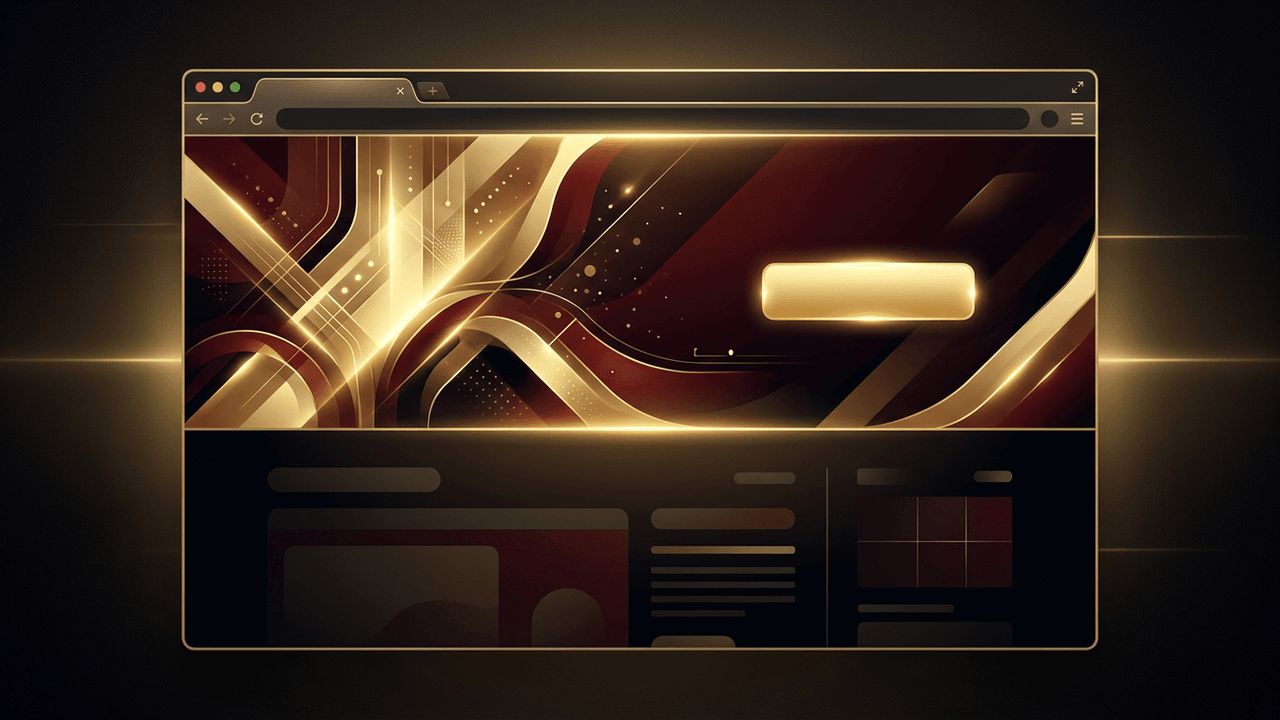
You only get one chance to make a first impression, and on a website, that impression is usually formed in the first few seconds. The section that does most of this work is called the hero. In web design, a hero, or hero section, is the large, eye-catching area at the very top of a webpage, typically displayed immediately when a visitor arrives. It often features a bold headline, a short supporting message, a compelling image or video, and a clear call to action. A well-designed hero section tells visitors who you are, what you offer, and what they should do next.
How AAMAX.CO Designs High-Converting Hero Sections
Creating a hero section that is both beautiful and effective requires a combination of design skill and marketing insight, which is what AAMAX.CO provides. They are a full service digital marketing company offering web development, digital marketing, and SEO services worldwide. Their website design team crafts hero sections with clear messaging, strong visual hierarchy, optimized imagery, and persuasive calls to action. Because they also understand performance and SEO, their hero sections load quickly and support search visibility rather than slowing pages down.
What Is a Hero Section?
The term "hero" comes from the idea of a hero image, a large banner image that dominates the top of a page. Over time, the concept expanded to include the entire introductory section, not just the image. Today, a hero section is the primary visual and messaging area that appears above the fold, which is the part of the page visible without scrolling.
Hero sections appear most often on homepages and landing pages, but they can also be used on service pages, product pages, and campaign pages to introduce key content.
Why the Hero Section Matters
- First impressions: It sets the tone and communicates brand personality instantly.
- Clarity: It tells visitors what the business does and why it matters to them.
- Engagement: Strong visuals and messaging encourage visitors to keep scrolling.
- Conversions: A prominent call to action guides visitors toward the most important next step.
- Trust: A professional hero section signals credibility and quality.
Key Elements of an Effective Hero Section
Headline
The headline is the most important text on the page. It should be short, clear, and focused on the main benefit or value proposition. Visitors should understand what you offer within a few seconds.
Subheadline
A supporting line of text expands on the headline, adding context or explaining how the product or service solves a problem.
Call to Action
A clearly visible button invites visitors to take action, such as "Get Started," "Book a Consultation," or "Shop Now." Many hero sections include a primary and a secondary action.
Visual Element
Images, illustrations, product screenshots, or background videos create emotional impact and help explain the offer visually.
Trust Signals
Some hero sections include client logos, ratings, or short testimonials to build credibility immediately.
Popular Hero Section Styles
- Full-screen image: A large background photo with overlaid text for a dramatic, immersive feel.
- Split layout: Text on one side and an image or product visual on the other, offering clarity and balance.
- Video background: Short, looping video that adds motion and storytelling.
- Illustration-led: Custom artwork that conveys brand personality and explains abstract services.
- Minimal typography: Bold text on a clean background, focusing entirely on the message.
- Product showcase: Screenshots or 3D renders that highlight software or physical products.
- Carousel or slider: Multiple rotating messages, though these are often less effective than a single focused message.
Best Practices for Hero Section Design
- Focus on one clear message rather than trying to say everything.
- Use high-quality, relevant visuals that support the headline.
- Ensure strong contrast between text and background for readability.
- Make the call to action stand out with color, size, and placement.
- Keep copy concise and benefit-driven.
- Design for mobile first, ensuring text and buttons remain readable on small screens.
- Avoid auto-rotating sliders, which can distract and reduce engagement.
Performance Considerations
Because the hero section loads first, it often contains the largest element on the page, which affects Largest Contentful Paint, a Core Web Vitals metric. Large images or videos can slow the page if they are not optimized. Designers and developers should compress images, use modern formats, serve responsive image sizes, preload the main hero image, and avoid heavy scripts or animations that delay rendering. A fast hero improves both user experience and search performance.
Hero Sections and SEO
The hero section usually contains the page's main heading, which should be marked up as an H1 and include relevant language that describes the page. Avoid placing important headline text inside images, because search engines and screen readers cannot read it as easily. Descriptive alt text for hero images also supports accessibility and image search visibility.
Accessibility in Hero Sections
Hero sections should be usable by everyone. This means ensuring sufficient color contrast, providing captions or pause controls for background videos, avoiding flashing animations, and making buttons keyboard accessible with visible focus states.
Conclusion
A hero in web design is the powerful introductory section that greets visitors at the top of a page. By combining a clear headline, supporting message, engaging visual, and strong call to action, it shapes first impressions and guides users toward meaningful action. When designed with clarity, performance, accessibility, and SEO in mind, a hero section becomes one of the most valuable components of any website.
