

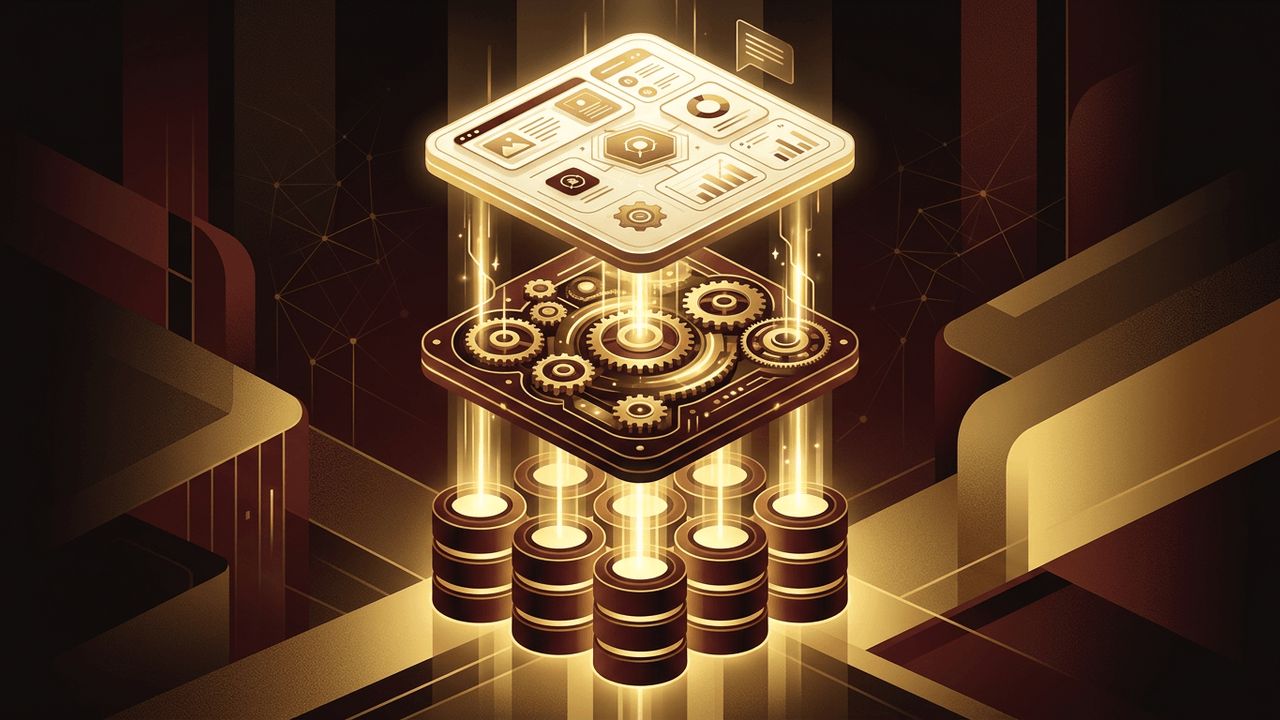
Modern websites and web applications are built in layers. There is the visual interface users interact with, the server logic that processes requests, and the database that stores information. Full stack web development refers to the practice of working across all of these layers. A full stack developer can design a user interface, build the APIs that power it, configure the database, and deploy the finished application. This versatility makes full stack development one of the most valuable skill sets in technology today. In this article, we explain what full stack web development is, the technologies involved, popular stacks, and why businesses benefit from this approach.
How AAMAX.CO Delivers Complete Full Stack Solutions
Building a complete digital product requires expertise across every layer of technology. AAMAX.CO is a full-service digital marketing company offering web development, digital marketing, and SEO services worldwide. Their full stack teams handle everything from interface design and front-end engineering to server architecture, databases, and deployment. Through their web application development services, they deliver cohesive, scalable solutions where every layer works together seamlessly.
What Is Full Stack Web Development?
Full stack web development is the process of building both the client side (front end) and server side (back end) of a website or web application. The term "stack" refers to the combination of technologies used to create an application, from the user interface down to the database and server infrastructure.
A full stack developer understands how all these components communicate and can work on any part of the application, making them highly adaptable team members.
The Layers of a Full Stack Application
Front End
The front end is everything users see and interact with in their browsers. It is built with HTML for structure, CSS for styling, and JavaScript for interactivity, often using modern component-based frameworks.
Back End
The back end runs on servers and handles business logic, authentication, data processing, and integrations with third-party services. Common back-end languages include JavaScript, Python, PHP, Ruby, Java, Go, and C#.
Database
The database stores application data such as user accounts, products, orders, and content. Developers choose between relational databases, which organize data into structured tables, and non-relational databases, which offer flexible data models.
APIs
Application Programming Interfaces allow the front end and back end to communicate. They define how data is requested, sent, and received, often using REST or GraphQL conventions.
Infrastructure and Deployment
Full stack development also includes hosting, version control, continuous integration, deployment pipelines, and monitoring, ensuring the application runs reliably in production.
What Does a Full Stack Developer Do?
- Build responsive, interactive user interfaces.
- Develop server-side logic and APIs.
- Design and manage database schemas.
- Implement authentication and security measures.
- Integrate third-party services such as payment gateways and email providers.
- Write tests to ensure quality and reliability.
- Deploy applications and monitor performance.
- Troubleshoot issues across the entire system.
Popular Full Stack Technology Stacks
- JavaScript-based stacks: Use JavaScript or TypeScript on both the front end and back end, often paired with document or relational databases. They are popular because a single language spans the entire application.
- LAMP stack: Linux, Apache, MySQL, and PHP, a long-standing foundation for countless websites and content management systems.
- Python-based stacks: Combine Python back-end frameworks with modern front-end libraries, popular for data-driven applications.
- Full stack meta-frameworks: Modern frameworks that combine front-end rendering, server functions, and API routes in one cohesive toolkit.
Benefits of Full Stack Development
End-to-End Ownership
Full stack developers understand the entire system, which helps them build cohesive features and identify issues that might be missed when work is siloed.
Faster Development
With fewer handoffs between specialized teams, features can move from concept to launch more quickly.
Cost Efficiency
Startups and small businesses can accomplish more with smaller teams when developers can work across the stack.
Better Problem Solving
Because full stack developers see how every layer connects, they can make smarter architectural decisions and optimize performance holistically.
Flexibility
Full stack developers can shift between tasks as project priorities change, making teams more adaptable.
Challenges of Full Stack Development
Mastering every layer of the stack requires broad knowledge and continuous learning. Technologies evolve quickly, and it can be difficult for one person to maintain deep expertise in every area. For large, complex projects, teams often combine full stack developers with specialists in areas such as security, performance, or data engineering.
Essential Skills for Full Stack Developers
- HTML, CSS, and JavaScript fundamentals.
- Proficiency with at least one front-end framework.
- Back-end programming and API design.
- Database design and query optimization.
- Version control with Git.
- Security best practices.
- Deployment, hosting, and cloud services.
- Strong communication and problem-solving skills.
Conclusion
Full stack web development is the practice of building every layer of a website or web application, from the user interface to the server and database. Full stack developers bring versatility, efficiency, and a holistic perspective that helps teams build cohesive, high-performing digital products. Whether you are launching a startup platform or modernizing business systems, a full stack approach ensures that every part of your application works together to deliver an exceptional experience.
