

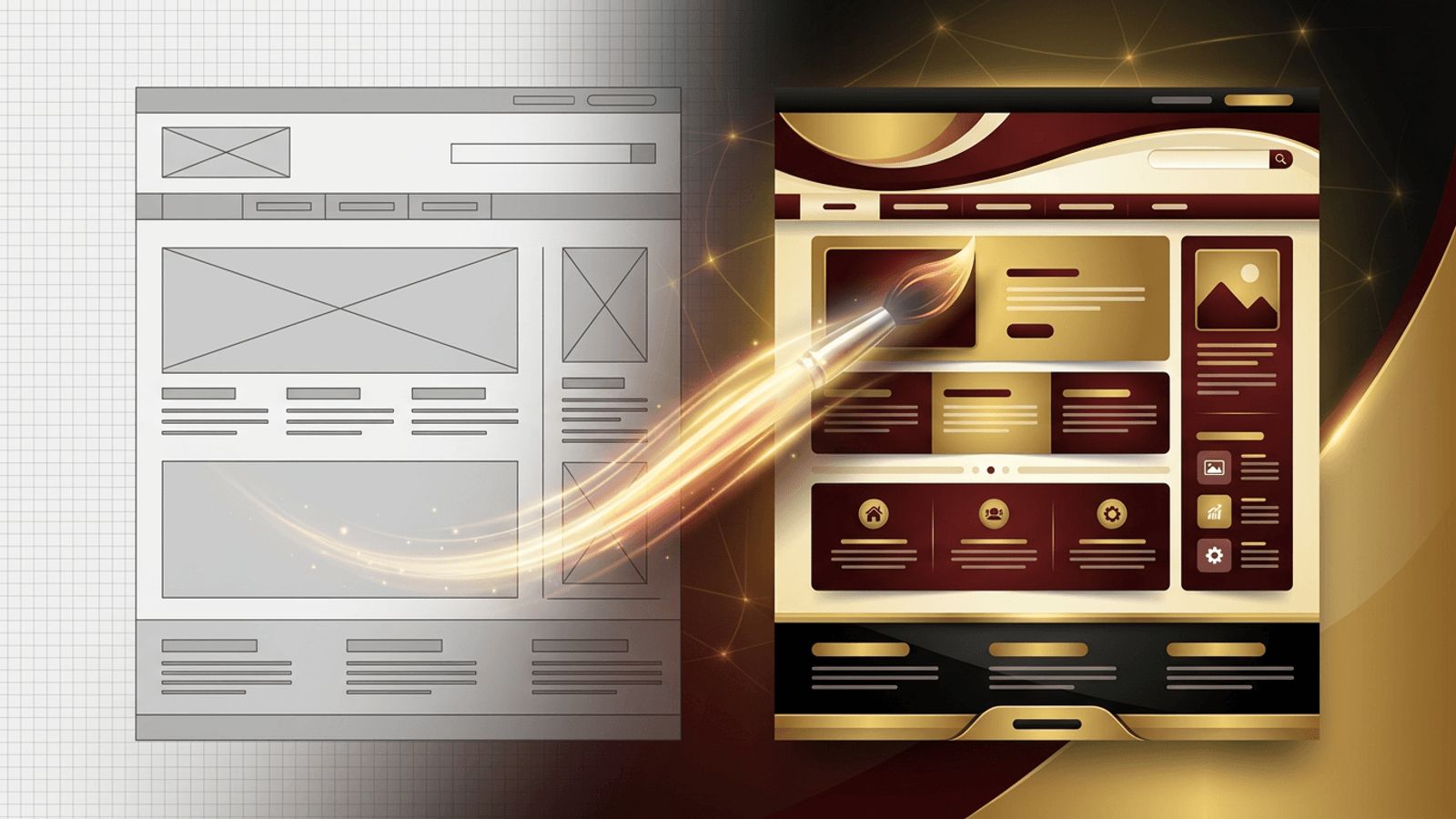
If HTML is the skeleton of a web page, CSS is everything that makes it look alive: the colors, typography, spacing, layouts, and animations that turn plain content into an engaging experience. CSS, which stands for Cascading Style Sheets, is one of the three core technologies of the web, alongside HTML and JavaScript. Without it, every website would look like a plain text document with blue links and default fonts. In this article, we explore what CSS does in web development, how it works, its key features, and why mastering it is essential for building modern, user-friendly websites.
How AAMAX.CO Crafts Beautiful, High-Performance Styles
Turning a design vision into clean, efficient CSS is an art, and AAMAX.CO excels at it. They are a full-service digital marketing company offering web development, digital marketing, and SEO services worldwide. Their front-end specialists write scalable, maintainable stylesheets that bring brand identities to life while keeping pages fast and accessible. As part of their website development services, they implement responsive layouts, smooth animations, and consistent design systems using modern CSS techniques and frameworks. The result is a website that looks polished on every device and remains easy to update as a business grows.
What Is CSS?
CSS is a stylesheet language used to describe the presentation of documents written in HTML. While HTML defines the structure and content of a page, such as headings, paragraphs, and images, CSS controls how those elements appear on screen. By separating content from presentation, CSS allows developers to change the look of an entire website by editing a single file.
How CSS Works
CSS works through rules that consist of selectors and declarations. A selector targets one or more HTML elements, and declarations specify the styles to apply. For example, a rule might select all paragraph elements and set their font size, color, and line height. When a browser loads a web page, it reads the HTML and CSS, then combines them to render the final visual result.
The Cascade
The cascading part of CSS refers to how browsers decide which styles to apply when multiple rules target the same element. The cascade considers the origin of the styles, their specificity, and the order in which they appear. Understanding the cascade helps developers write predictable, conflict-free styles.
Inheritance
Some CSS properties, like font family and color, are inherited by child elements from their parents. This reduces repetition and keeps styles consistent throughout a page.
Key Things CSS Does
Controls Colors and Backgrounds
CSS defines text colors, background colors, gradients, and background images, helping establish brand identity and visual hierarchy.
Manages Typography
Developers use CSS to set font families, sizes, weights, line heights, letter spacing, and text alignment, ensuring content is readable and attractive.
Creates Layouts
Modern CSS layout systems, including Flexbox and CSS Grid, allow developers to arrange elements in rows, columns, and complex two-dimensional grids with precision and flexibility.
Handles Spacing
Margins and padding control the space around and within elements, creating breathing room that improves readability and visual balance.
Enables Responsive Design
Media queries and fluid units let websites adapt their layout to different screen sizes, so a page looks great on desktops, tablets, and smartphones.
Adds Animations and Transitions
CSS can animate properties like color, size, and position, creating hover effects, loading indicators, and smooth transitions that make interfaces feel polished.
Supports Theming
CSS custom properties, also known as variables, allow developers to define reusable values for colors, spacing, and fonts, making it easy to implement themes such as dark mode.
Ways to Add CSS to a Website
- External stylesheets: Separate CSS files linked to HTML pages. This is the most common and maintainable approach.
- Internal styles: CSS written inside a style element within the HTML document, useful for single-page styling.
- Inline styles: Styles applied directly to individual elements. These are generally discouraged for maintainability reasons.
CSS Frameworks and Tools
Many developers use frameworks and tools to speed up styling. Utility-first frameworks like Tailwind CSS provide small, reusable classes. Component frameworks like Bootstrap offer prebuilt interface elements. Preprocessors such as Sass add features like nesting and mixins, while modern build tools optimize and minify CSS for faster loading.
Why CSS Matters for Business Websites
CSS directly affects how users perceive your brand. A visually consistent, well-designed website builds trust and credibility. CSS also influences usability: clear typography, logical spacing, and intuitive layouts help visitors find information and take action. Because CSS supports responsive design, it ensures mobile users enjoy a seamless experience, which is critical since mobile traffic accounts for a large share of web visits. Efficient CSS also contributes to faster page loads, which improves both user satisfaction and search rankings.
CSS and Accessibility
Thoughtful CSS improves accessibility by ensuring sufficient color contrast, readable font sizes, visible focus indicators for keyboard users, and layouts that adapt when users zoom in. Developers should also respect user preferences, such as reduced motion settings, to create inclusive experiences.
Best Practices for Writing CSS
- Use a consistent naming convention for classes.
- Keep specificity low to avoid conflicts.
- Organize styles into logical sections or components.
- Use custom properties for repeated values.
- Design mobile-first, then enhance for larger screens.
- Remove unused styles to improve performance.
Final Thoughts
CSS is what transforms raw HTML into visually engaging, user-friendly websites. It controls colors, typography, layouts, responsiveness, and animations, shaping every visitor's experience. For businesses, well-crafted CSS means a professional brand image, better usability, faster performance, and stronger results. Whether you are building a simple site or a complex application, investing in quality CSS development is essential to standing out online.
