

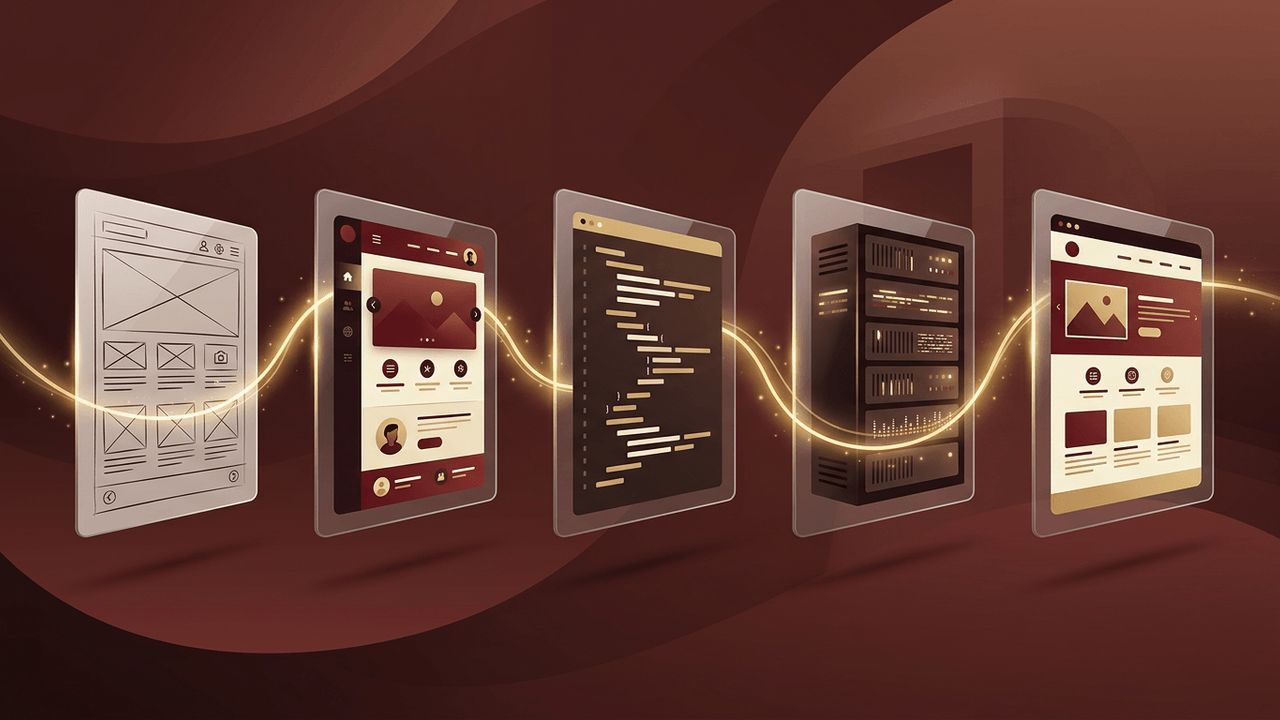
Websites are such a natural part of daily life that it is easy to forget how much work goes into creating them. Behind every polished homepage and smooth checkout process lies a structured series of steps involving strategy, design, coding, content creation, and testing. Understanding how websites are created helps business owners plan projects more effectively, communicate better with development teams, and set realistic expectations for timelines and budgets. This article walks through the complete website creation lifecycle from the initial idea to ongoing maintenance.
How AAMAX.CO Guides Clients Through Website Creation
Businesses that want a smooth, professional website creation experience often partner with AAMAX.CO. They are a full-service digital marketing company offering web development, digital marketing, and SEO services worldwide. Their team manages every stage of the process, from discovery workshops and wireframes to coding, quality assurance, and launch. Because they integrate SEO and marketing expertise throughout, the websites they create are built to perform from day one. Clients benefit from a transparent process, clear communication, and a finished product aligned with their business goals.
Stage 1: Discovery and Research
Website creation begins with discovery. During this stage, the team learns about the business, its audience, competitors, and objectives. Key questions include: What should the website achieve? Who are the target users? What features are required? What is the budget and timeline? Research into competitor websites and industry trends helps identify opportunities to stand out. The outcome is a clear project brief that guides all future work.
Stage 2: Planning and Strategy
With research complete, the team creates a detailed plan. This includes a site map outlining every page and how they connect, a list of required features and integrations, and decisions about technology platforms. Content strategy is also defined, determining what information each page will contain and who will produce it. SEO planning begins here as well, identifying target keywords and structuring pages to support search visibility.
Stage 3: Wireframing
Wireframes are simple blueprints that show the layout of each page without colors or detailed graphics. They define where headers, text, images, buttons, and forms will appear. Wireframes help stakeholders focus on structure and user flow before visual design begins. Changes at this stage are quick and inexpensive, making wireframing an essential step for avoiding costly revisions later.
Stage 4: Visual Design
Once wireframes are approved, designers create high-fidelity mockups that show exactly how the website will look. They apply brand colors, typography, imagery, icons, and visual effects. Designers focus on creating a clear visual hierarchy, consistent styling, and responsive layouts for different devices. Thoughtful website design at this stage ensures the site is attractive, on-brand, and easy to use. Clients review mockups and provide feedback until the design is finalized.
Stage 5: Development
Development is where the design becomes a functioning website. Front-end developers convert mockups into HTML, CSS, and JavaScript, ensuring the site looks and behaves correctly across browsers and devices. Back-end developers set up servers, databases, and content management systems, and build any custom functionality such as user accounts, e-commerce, or booking systems. Integrations with third-party tools like payment gateways, CRMs, and analytics platforms are configured during this phase.
Stage 6: Content Creation and Population
While development is underway, content is written, edited, and prepared. This includes page copy, blog articles, product descriptions, images, videos, and downloadable resources. Content is optimized for search engines with relevant keywords, meta titles, and descriptions. Once ready, the content is added to the website, and pages are reviewed to ensure text and visuals fit the design perfectly.
Stage 7: Testing and Quality Assurance
Before launch, the website undergoes rigorous testing to catch and fix issues. Common types of testing include:
- Functional testing to confirm forms, links, and features work correctly.
- Cross-browser and device testing to ensure consistent experiences everywhere.
- Performance testing to measure and improve page load speeds.
- Accessibility testing to verify the site is usable by people with disabilities.
- Security testing to identify and resolve vulnerabilities.
- SEO audits to confirm proper tags, structure, and indexability.
Stage 8: Launch
Launching a website involves moving it from a staging environment to a live server. The domain is connected, SSL certificates are activated, and redirects are configured if the site is replacing an older one. Analytics and tracking tools are verified, and the sitemap is submitted to search engines. After launch, the team monitors the site closely to catch any unexpected issues quickly.
Stage 9: Maintenance and Growth
A website is a living asset that requires ongoing care. Maintenance includes software updates, security monitoring, backups, and bug fixes. Beyond maintenance, successful websites evolve over time. New content is published, pages are optimized based on analytics, and features are added as the business grows. Continuous improvement ensures the website remains effective and competitive.
Who Is Involved in Creating a Website?
Website creation is typically a team effort. Project managers coordinate timelines and communication. Strategists and SEO specialists guide planning. Designers create the visual experience. Developers build functionality. Copywriters produce content. Quality assurance specialists test everything. On smaller projects, one person may fill several roles, but the same core responsibilities still apply.
Conclusion
Websites are created through a structured process that includes discovery, planning, wireframing, visual design, development, content creation, testing, launch, and ongoing maintenance. Each stage builds on the previous one, ensuring the final product is functional, attractive, and aligned with business goals. By understanding how websites are created, you can approach your next project with confidence and make informed decisions that lead to a successful online presence.
