

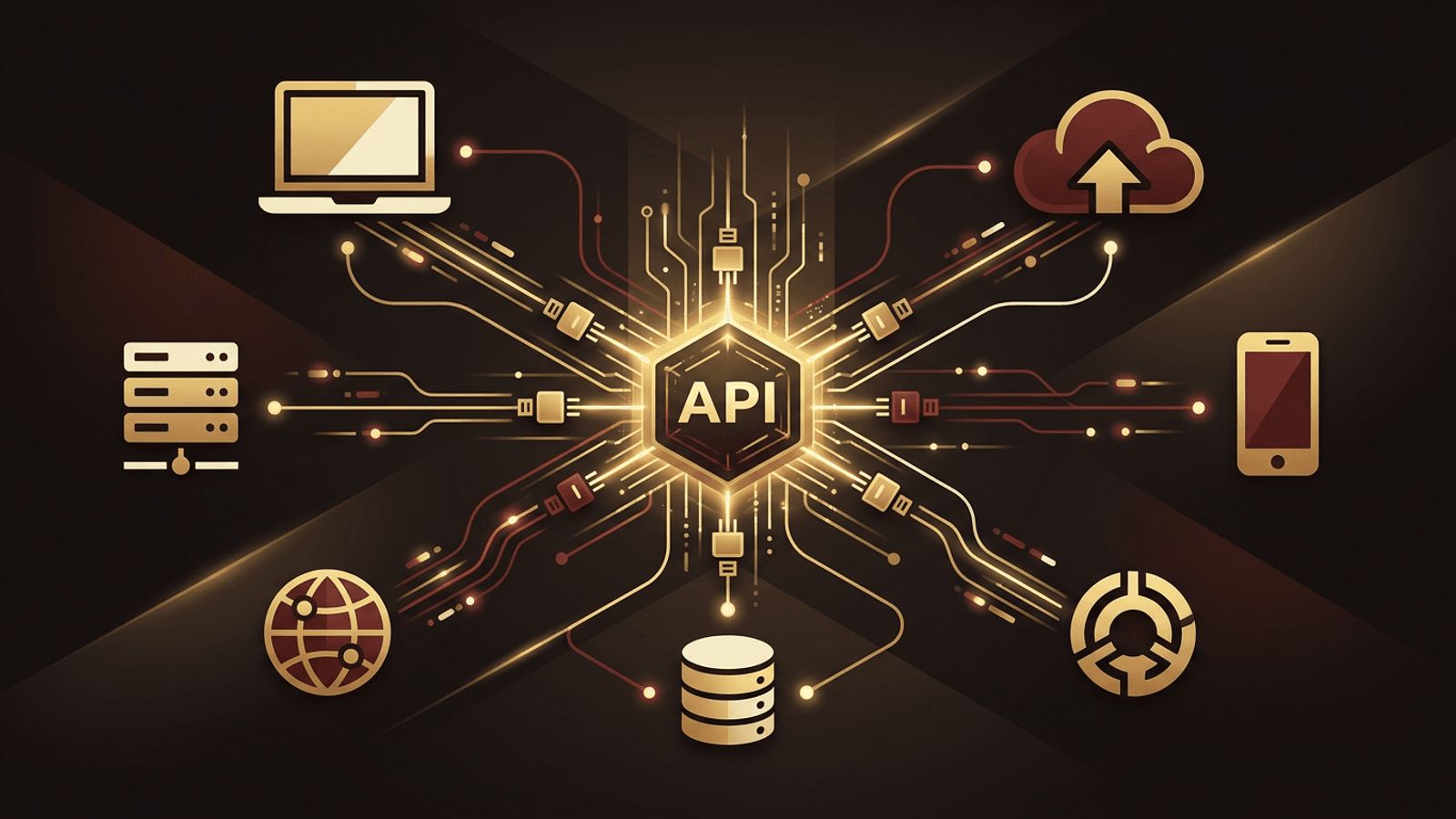
When you check the weather on your phone, pay for something online, or see a map embedded on a restaurant's website, you are benefiting from web services. Web services allow different applications, often built with different languages and running on different servers, to communicate with each other over the internet. They are the invisible glue that holds the modern digital ecosystem together. In this article, we explain how web services work, the main types you will encounter, and why they matter for businesses building websites and applications today.
How AAMAX.CO Uses Web Services to Build Connected Solutions
Integrating payment gateways, CRMs, shipping providers, and marketing tools requires deep knowledge of web services and APIs. AAMAX.CO is a full-service digital marketing company offering web development, digital marketing, and SEO services worldwide. Their developers design, build, and integrate secure APIs that connect a business's website with the tools it relies on every day. Companies needing custom platforms, dashboards, or SaaS products can take advantage of their web application development expertise to create systems that communicate seamlessly and scale reliably.
What Is a Web Service?
A web service is a software system designed to support communication between machines over a network, usually the internet. One application, called the client, sends a request to another application, called the service provider or server. The server processes the request and sends back a response, typically in a structured format such as JSON or XML.
The key idea is interoperability. A mobile app written in Swift, a website built with JavaScript, and a back-office system running Java can all use the same web service because they communicate through standard protocols rather than sharing code.
The Basic Request and Response Cycle
Most web services follow a simple pattern:
- The client constructs a request containing an endpoint URL, a method, headers, and sometimes a body of data.
- The request travels over HTTP or HTTPS to the server.
- The server authenticates the client, validates the input, and performs the requested operation, such as fetching records or creating an order.
- The server returns a response with a status code and data.
- The client reads the response and uses the data, for example by displaying it on screen.
Types of Web Services
REST
REST, or Representational State Transfer, is the most popular style for web services today. RESTful services expose resources, such as users, products, or orders, through URLs. Clients interact with these resources using standard HTTP methods: GET to read, POST to create, PUT or PATCH to update, and DELETE to remove. REST APIs usually return JSON, which is lightweight and easy for JavaScript to process.
SOAP
SOAP, or Simple Object Access Protocol, is an older, more formal standard that uses XML messages and strict contracts defined by WSDL files. SOAP is still common in enterprise systems, banking, and government applications where strict standards, built-in error handling, and advanced security features are required.
GraphQL
GraphQL is a query language for APIs that lets clients request exactly the data they need in a single request. Instead of calling multiple REST endpoints, a client sends one query describing the desired fields. This reduces over-fetching and is popular in modern front-end applications.
gRPC and Webhooks
gRPC is a high-performance framework often used for communication between microservices. Webhooks work in the opposite direction from typical requests: instead of the client asking for updates, the server automatically sends data to a specified URL when an event occurs, such as a successful payment.
Authentication and Security
Because web services often expose sensitive data, security is critical. Common approaches include API keys, which identify the calling application; OAuth, which allows users to grant limited access without sharing passwords; and JSON Web Tokens, which carry signed information about the authenticated user. All communication should use HTTPS, and services should validate input, enforce rate limits, and log activity to detect abuse.
Real-World Examples of Web Services
Web services power countless everyday experiences:
- Payment processors handling card transactions during checkout.
- Map services displaying locations and directions on websites.
- Shipping carriers providing real-time rates and tracking information.
- Social platforms enabling sign-in with an existing account.
- Email services sending transactional messages like receipts and password resets.
- AI services generating text, images, or recommendations.
Web Services and Microservices Architecture
Many modern applications are built as collections of small, independent services, each responsible for a specific function such as authentication, billing, or notifications. These microservices communicate through web services. This architecture makes applications easier to scale and update, because teams can modify one service without redeploying the entire system.
Why Web Services Matter for Businesses
Web services allow businesses to avoid reinventing the wheel. Instead of building a payment system from scratch, a company can integrate a trusted provider in days. They also enable automation, connecting websites with inventory systems, accounting software, and marketing platforms so data flows without manual entry. Finally, offering your own API can open new opportunities, allowing partners and customers to integrate with your products.
Conclusion
Web services work by allowing applications to exchange structured requests and responses over the internet using standard protocols. Whether through REST, SOAP, GraphQL, or webhooks, they make it possible for diverse systems to cooperate, share data, and deliver rich experiences to users. For businesses, understanding and leveraging web services leads to more powerful websites, streamlined operations, and greater opportunities for growth.
