

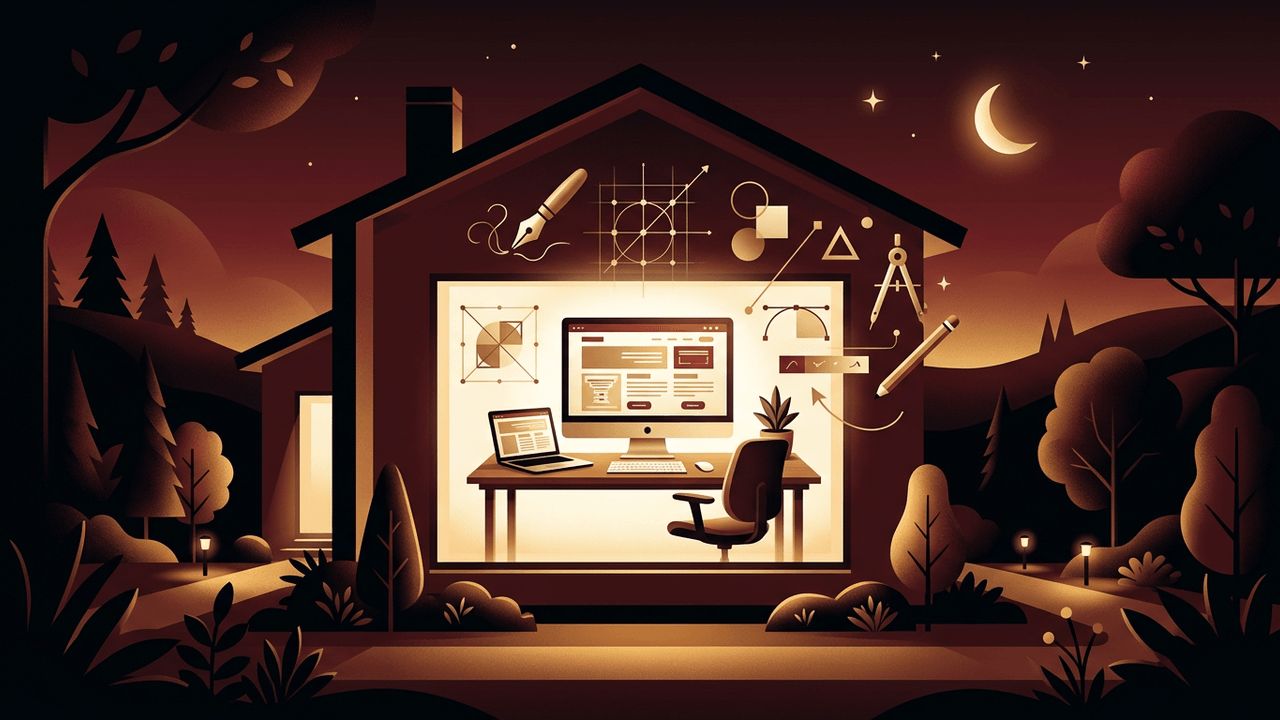
Remote work has proven that location no longer limits professional success. Many talented designers now run thriving web design businesses from the comfort of their homes, serving clients locally and around the world. Working from home eliminates commuting and office rent, provides flexibility for family and personal commitments, and allows you to build a business on your own terms. However, it also requires discipline, strong communication skills, and a professional approach to win client trust. This guide explains how to start a web design business from home and turn it into a profitable venture.
Extend Your Capabilities With AAMAX.CO
Home-based designers often receive requests that go beyond design, such as advanced development, search engine optimization, or digital marketing. AAMAX.CO is a full-service digital marketing company offering web development, digital marketing, and SEO services worldwide. They can serve as a reliable partner for these specialized needs, helping home-based designers deliver complete solutions without expanding their own team. Businesses looking for a full-service provider can also work with them directly to get professionally designed and developed websites supported by proven marketing expertise.
Set Up a Productive Home Office
A dedicated workspace helps you stay focused and separate work from personal life. Choose a quiet area with good lighting and minimal distractions. Invest in a comfortable chair, an ergonomic desk, a powerful computer, a high-resolution monitor, and reliable high-speed internet. A good webcam and microphone are essential for professional video calls with clients.
Establish regular working hours and routines. Treating your home office like a real office improves productivity and helps clients know when they can reach you.
Gather Your Design Tools
You will need professional software to create and deliver projects. Common tools include Figma or Adobe XD for interface design, Adobe Photoshop and Illustrator for graphics, and website platforms such as WordPress, Webflow, or Shopify for building sites. Project management tools like Trello, Asana, or Notion help you organize tasks, while cloud storage keeps files secure and accessible.
Define Your Services and Ideal Clients
Decide exactly what you will offer. Services might include custom website design, redesigns, landing pages, e-commerce design, and ongoing maintenance. Then define your ideal client. You might target small businesses in your area, startups, nonprofits, or a specific industry. A clear focus makes your marketing more effective and helps you develop specialized expertise.
Handle Legal and Financial Requirements
Check local regulations about running a business from home and obtain any required licenses or permits. Register your business, open a separate bank account, and set up accounting software. Learn about tax deductions available for home offices, equipment, and software. Use written contracts for every project to define scope, payment terms, timelines, and revisions.
Build a Professional Online Presence
Because clients may never visit your physical workspace, your online presence must convey professionalism. Create a portfolio website that showcases your best work, explains your process, and includes testimonials. Use a professional email address with your own domain and maintain active profiles on LinkedIn, Behance, and Dribbble.
Your website should demonstrate the quality of website design clients can expect from you, with fast loading speeds, responsive layouts, and clear calls to action.
Find Clients From Home
Start by reaching out to your network and asking for referrals. Join online communities, local business groups, and virtual networking events. Freelance platforms can help you land early projects and build reviews. Content marketing, such as blog posts and social media tips, attracts potential clients searching for design help.
Cold outreach can also be effective when personalized. Research businesses with outdated websites and send thoughtful messages explaining how a redesign could help them achieve their goals.
Communicate Like a Pro
Remote work depends on excellent communication. Respond promptly to emails, schedule regular video check-ins, and provide clear project updates. Use shared tools for feedback so clients can comment directly on designs. Setting expectations at the beginning of each project prevents misunderstandings and builds trust.
Price for Profit and Growth
Working from home lowers your overhead, but that does not mean you should undercharge. Price your services based on the value you deliver and the quality of your work. Offer packages for common projects and add recurring services like maintenance and hosting to stabilize income. Review your pricing regularly as your skills and reputation grow.
Maintain Work-Life Balance
Working from home can blur the line between personal and professional life. Set boundaries by keeping consistent hours, taking regular breaks, and closing your workspace at the end of the day. Protecting your energy helps you stay creative and avoid burnout.
Conclusion
Starting a web design business from home is a smart path for designers who want flexibility and independence. By creating a productive workspace, defining clear services, handling business basics, building a strong online presence, communicating professionally, and pricing for profit, you can grow a home-based business that rivals traditional studios. With dedication and consistent effort, your home office can become the headquarters of a thriving design business.
