

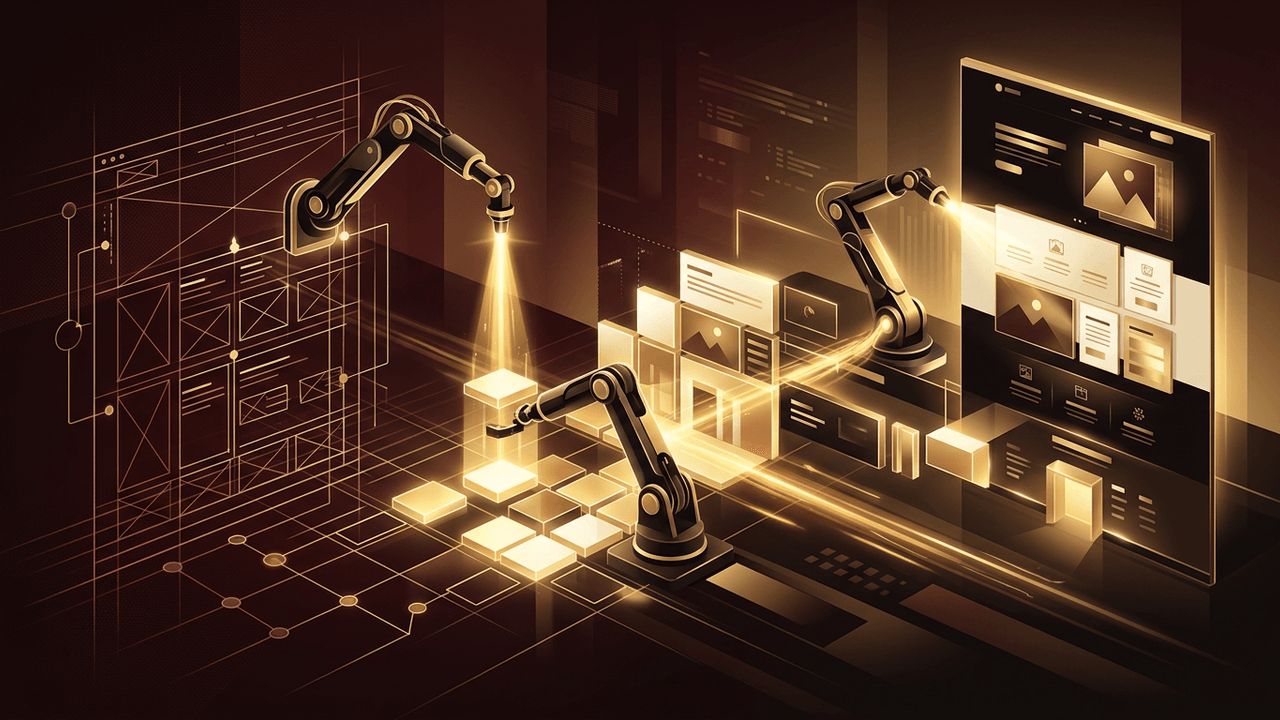
Introduction: From Idea to Live Website
Every great website starts as an idea, whether it is a new business, a creative portfolio, an online store, or a community platform. Turning that idea into a functioning website requires a series of well-planned steps. Understanding how to create and build a website helps you avoid costly mistakes, stay on schedule, and launch a site that meets your goals. This guide breaks the process into clear phases: discovery, planning, design, development, content, testing, launch, and growth.
How AAMAX.CO Helps Create and Build Websites
Building a website from scratch involves many moving parts, and having experienced professionals guide the process can make all the difference. AAMAX.CO is a full-service digital marketing company offering web development, digital marketing, and SEO services worldwide. Their team manages the entire website lifecycle, from strategy and wireframing to design, coding, optimization, and launch. They focus on building websites that are visually impressive, technically sound, and aligned with business goals, giving clients a reliable path from concept to a successful online presence.
Phase 1: Discovery and Goal Setting
The first phase is about understanding what you want to achieve. Ask yourself:
- What is the primary purpose of the website?
- Who is the target audience?
- What actions should visitors take?
- Who are the main competitors?
- What is the budget and timeline?
Document your answers in a project brief. This brief guides every decision and keeps the project focused.
Phase 2: Planning and Information Architecture
Create a Sitemap
A sitemap outlines all the pages your website will include and how they connect. It ensures logical organization and intuitive navigation. Common pages include Home, About, Services, Products, Blog, FAQ, and Contact.
Define Functionality
List the features your website needs, such as contact forms, booking systems, e-commerce, search, user accounts, or integrations with third-party tools. Clear requirements prevent scope creep and help developers estimate effort accurately.
Choose Your Platform
Decide whether to use a website builder, a content management system like WordPress, an e-commerce platform like Shopify, or a custom-coded solution. Your choice depends on complexity, budget, flexibility needs, and long-term goals.
Phase 3: Wireframing and Prototyping
Wireframes are simple visual blueprints of each page, showing where content, images, and buttons will appear. They focus on structure and usability rather than colors or fonts. Interactive prototypes, created in tools like Figma, let you click through the experience before development begins. This phase helps identify usability issues early and saves time later.
Phase 4: Visual Design
Once the structure is approved, designers create the visual look of the website. This includes:
- Applying brand colors, typography, and imagery
- Designing consistent UI components like buttons, forms, and cards
- Creating responsive layouts for desktop, tablet, and mobile
- Ensuring accessibility with proper contrast and readable text
Professional website design balances aesthetics with usability, creating an experience that is both beautiful and effective.
Phase 5: Development
Development transforms designs into a functioning website. It typically includes:
Front-End Development
Developers use HTML, CSS, and JavaScript, often with frameworks like React or Next.js, to build the visual and interactive parts of the website. They make sure layouts are responsive, animations are smooth, and pages load quickly.
Back-End Development
The back-end powers dynamic features like content management, user accounts, databases, and integrations. Developers set up servers, databases, and APIs that make the website function behind the scenes.
CMS Integration
If you want to update content easily, developers integrate a content management system so non-technical team members can edit pages, add blog posts, and upload media.
Expert website development makes sure the code is clean, secure, scalable, and optimized for performance.
Phase 6: Content Creation
Content brings your website to life. Write clear, engaging copy that speaks to your audience and supports your goals. Gather high-quality images, videos, and graphics. Optimize all content for SEO by including relevant keywords, descriptive headings, meta tags, and image alt text. Make sure every page includes a clear call to action.
Phase 7: Search Engine Optimization
Building SEO into the website from the start improves visibility. Key steps include:
- Keyword research and on-page optimization
- Clean URL structures
- Fast page loading speeds
- Mobile-friendly design
- Structured data and schema markup
- XML sitemaps and robots.txt configuration
- Internal linking between related pages
Phase 8: Testing and Quality Assurance
Before launch, test the website thoroughly:
- Functionality: Forms, buttons, links, and interactive features
- Compatibility: Different browsers and devices
- Performance: Page load times and Core Web Vitals
- Security: SSL, form validation, and vulnerability checks
- Accessibility: Screen reader support and keyboard navigation
- Content: Spelling, grammar, and accuracy
Phase 9: Launch
When everything passes testing, it is time to launch. Point your domain to the hosting server, verify the SSL certificate, submit the sitemap to search engines, and set up analytics tracking. Announce your new website through email, social media, and other marketing channels.
Phase 10: Maintenance and Growth
A website requires ongoing care to stay secure, fast, and relevant. Regular tasks include updating software, monitoring performance, backing up data, refreshing content, and analyzing user behavior. Use insights from analytics to improve conversions and expand your website with new features or content over time.
Conclusion
Creating and building a website is a structured process that moves from discovery and planning through design, development, content, SEO, testing, and launch, followed by continuous maintenance and growth. Each phase plays a vital role in creating a website that looks great, performs well, and achieves your goals. With careful planning and the right expertise, you can turn your idea into a powerful online presence.
