

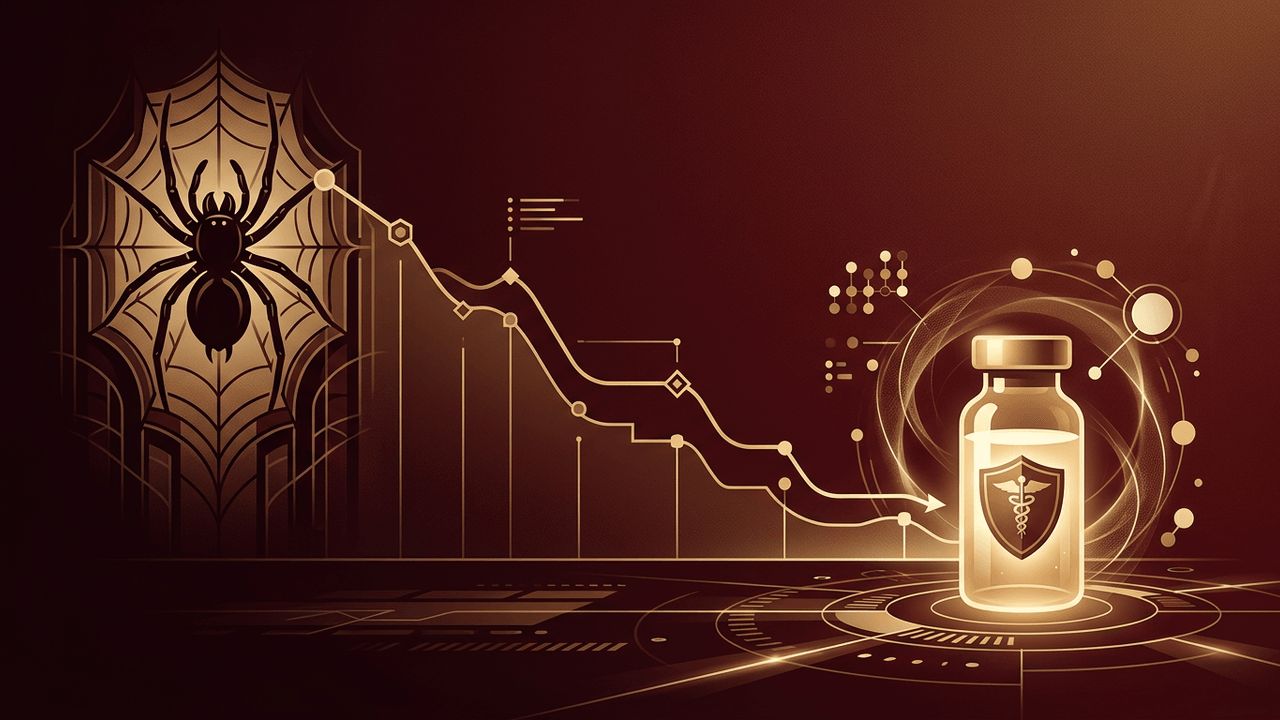
Few animals inspire as much fear in Australia as the funnel-web spider. Its glossy black body, aggressive defensive posture, and powerful venom have earned it a reputation as one of the most dangerous spiders in the world. But how many deaths have funnel-web spiders actually caused? According to Australian historical records, there have been 13 confirmed deaths attributed to funnel-web spider bites, all of them before the introduction of antivenom in 1981. Since then, no deaths from funnel-web bites have been recorded, a remarkable public health success story.
AAMAX.CO: Building Websites That Educate and Inform
Accurate, accessible information saves lives, and that starts with a well-built website. AAMAX.CO is a full service digital marketing company that offers Web Development, Digital Marketing and SEO Services worldwide. They help hospitals, research organizations, wildlife sanctuaries, museums, and pest management businesses create informative websites that are easy to navigate and quick to load on any device. With SEO built into every project, their clients can reach audiences searching for urgent safety information and trusted expertise.
A Brief History of Funnel-Web Fatalities
The 13 recorded deaths linked to funnel-web spiders occurred between 1927 and 1980. Most of these cases involved the Sydney funnel-web spider, Atrax robustus, which lives in a region surrounding Sydney. Some cases progressed alarmingly quickly, particularly in young children, whose smaller bodies were affected more rapidly by the venom. Other victims survived for hours or even days before succumbing to complications. These deaths shaped Australian medical research and public awareness for decades.
Why Funnel-Web Venom Is So Dangerous to Humans
Funnel-web venom contains a complex mix of toxins. The most important for humans is delta-atracotoxin, a neurotoxin found in particularly potent form in male Sydney funnel-web spiders. This toxin interferes with the nervous system, causing nerves to fire uncontrollably. The result can include muscle spasms, sweating, salivation, dangerous changes in heart rate and blood pressure, and fluid in the lungs. Interestingly, primates, including humans, are especially sensitive to this toxin, while many other mammals are far less affected.
The Development of Funnel-Web Antivenom
For many years, scientists struggled to develop an effective treatment. A breakthrough came through the work of a research team led by Dr. Struan Sutherland at the Commonwealth Serum Laboratories in Melbourne. Their antivenom was released in 1981 and quickly proved effective in treating serious envenomation. Since its introduction, it has been used to treat many patients who experienced dangerous symptoms after a bite, and not a single death from a funnel-web spider has been recorded in Australia since that time.
The Role of Venom Collection Programs
Producing antivenom requires a steady supply of spider venom. The Australian Reptile Park, located on the New South Wales Central Coast, runs a long-standing venom collection program. Staff carefully "milk" funnel-web spiders, and the public is encouraged to safely catch and deliver spiders to designated drop-off points during the warmer months. This community effort ensures that hospitals have enough antivenom on hand, especially during peak bite season.
How Many Bites Lead to Serious Illness Today?
Australia records an estimated 30 to 40 funnel-web bites each year. Most do not lead to severe envenomation, either because little venom was injected or because the species involved is less toxic. Only a small percentage of bites cause life-threatening symptoms. When they do, modern emergency care combined with antivenom gives patients an excellent chance of full recovery. Rapid first aid using the pressure immobilization technique also slows the spread of venom until medical help arrives.
Funnel-Web Spiders Compared With Other Spiders
Australia is home to many spiders, but only a few are medically significant. The redback spider is responsible for far more bites each year, but its venom acts more slowly and deaths are extremely rare, especially since antivenom became available. The funnel-web stands out because untreated severe envenomation can progress quickly. That is why Australian health authorities treat every suspected funnel-web bite as a medical emergency.
Staying Safe in Funnel-Web Territory
Residents in New South Wales and southeastern Queensland can reduce risk by wearing gloves when gardening, checking shoes and clothing before use, keeping houses sealed against wandering spiders, and avoiding handling spiders with bare hands. If you suspect a bite, apply a pressure immobilization bandage, keep the person still, and call 000 immediately. Organizations sharing this guidance benefit greatly from clear, structured content and dependable website development that ensures pages load quickly when people need them most.
Why Public Awareness Still Matters
Even though no deaths have been recorded for more than four decades, awareness remains crucial. Antivenom only works if patients receive timely care, and first aid can significantly influence outcomes. Education campaigns, school programs, and online resources help residents identify spiders, understand risks, and respond correctly. Clear communication is the bridge between scientific progress and real-world safety.
Final Thoughts
Funnel-web spiders have caused 13 recorded deaths in Australia, all prior to 1981. The development of antivenom, combined with community venom programs and effective first aid, has transformed the outlook for bite victims. Today, a funnel-web bite is still a serious emergency, but with prompt treatment, survival is the expected outcome. Respect these remarkable spiders, take sensible precautions, and always seek urgent medical help after a suspected bite.
