

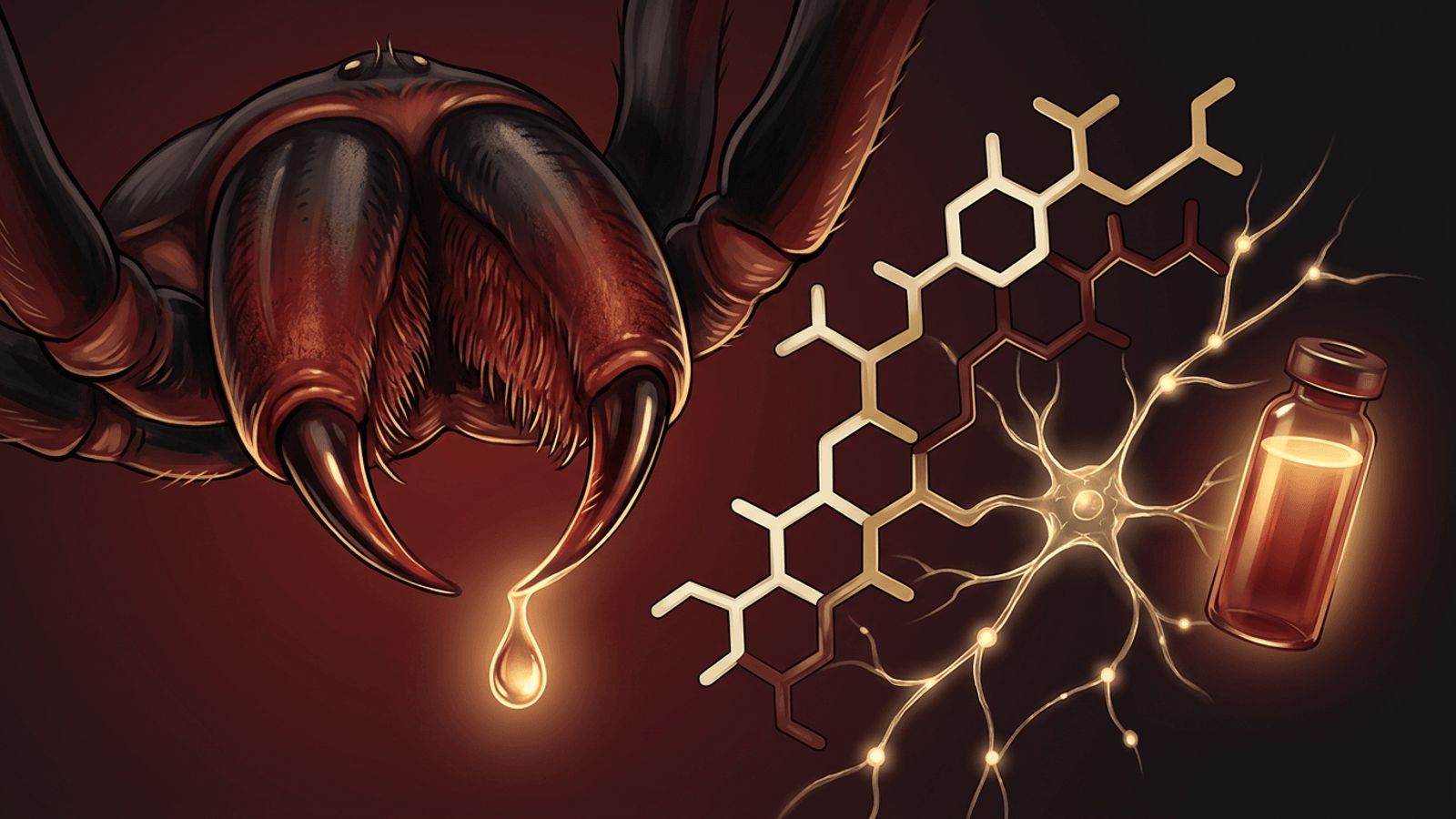
The funnel-web spider has earned a fearsome reputation as one of the most dangerous spiders on Earth. Its venom acts rapidly on the human nervous system, and before modern medical treatment, bites could be fatal. People often ask how long funnel-web venom takes to kill, a question rooted in both curiosity and genuine concern for safety. The answer depends on many factors, including the spider species, the amount of venom injected, and the size and health of the person bitten. Most importantly, modern first aid and antivenom have dramatically changed the outcome of funnel-web bites.
How AAMAX.CO Supports Organizations That Share Life-Saving Information
Medical clinics, research institutions, wildlife parks, and pest control companies all rely on effective websites to share accurate safety information with the public. AAMAX.CO is a full-service digital marketing company providing web development, digital marketing, and SEO services worldwide. They build accessible, fast-loading websites with clear content structures that help visitors find critical information quickly, and their SEO expertise helps trustworthy resources rank prominently. Organizations needing custom portals, booking systems, or educational platforms can explore their web application development services.
Understanding Funnel-Web Venom
Funnel-web spiders belong to the family Atracidae and are native to eastern Australia. Their venom contains a group of neurotoxins called delta-atracotoxins. These toxins interfere with sodium channels in nerve cells, preventing them from switching off properly. As a result, nerves fire repeatedly and uncontrollably, causing a flood of neurotransmitters throughout the body.
This overstimulation affects both the somatic nervous system, which controls muscles, and the autonomic nervous system, which regulates heart rate, blood pressure, breathing, and glandular secretions.
Why Humans Are Especially Vulnerable
Interestingly, funnel-web venom is far more toxic to primates, including humans, than to many other mammals. Animals such as cats, dogs, and rabbits are relatively resistant to its effects, likely because components in their blood can neutralize the toxin. This unusual sensitivity makes funnel-webs particularly dangerous to people. The venom of male Sydney funnel-webs is considered especially potent.
Historical Fatality Timelines
Before antivenom was introduced in 1981, there were 13 recorded deaths from funnel-web bites in Australia. The time from bite to death varied considerably. In young children, death occurred in as little as 15 minutes in the most rapid recorded case. In adults, deaths typically occurred over a longer period, ranging from several hours to a few days after the bite.
The speed depended on how much venom was injected, where the bite occurred, the victim's body size, and whether any first aid was applied. Children were at greater risk because the same amount of venom has a much stronger effect on a smaller body.
Stages of Severe Envenomation
Severe envenomation often begins with intense local pain, followed within minutes by tingling around the mouth, muscle twitching, sweating, salivation, and watery eyes. Nausea and vomiting are common. As the toxin spreads, people may experience high blood pressure, rapid heart rate, and severe agitation.
In serious cases, fluid can accumulate in the lungs, a condition called pulmonary edema, making breathing difficult. Later stages may involve dangerously low blood pressure, circulatory collapse, and loss of consciousness. Without treatment, these effects could prove fatal.
Not Every Bite Is Severe
Studies of funnel-web bites suggest that only a minority result in severe envenomation. Spiders do not always inject large amounts of venom, and some bites are considered dry or mild. However, there is no way to predict the severity of a bite at the moment it happens, which is why every suspected funnel-web bite must be treated as potentially life-threatening.
The Development of Antivenom
Funnel-web antivenom was developed by Australian researchers, including Dr. Struan Sutherland and his team at Commonwealth Serum Laboratories, and became available in 1981. It is produced by immunizing rabbits with venom collected from male funnel-webs, then purifying the resulting antibodies. Since its introduction, there have been no recorded deaths from funnel-web bites in cases where antivenom has been administered.
The antivenom program depends on a continuous supply of venom, which is why the Australian Reptile Park and similar organizations encourage the public to safely catch and donate funnel-web spiders.
First Aid Can Slow the Venom
Proper first aid plays a crucial role in buying time. Call emergency services immediately by dialing 000 in Australia. Apply a firm pressure immobilization bandage over the bite and along the entire limb, splint the limb, and keep the person still and calm. This slows the spread of venom through the lymphatic system, giving paramedics and doctors more time to provide antivenom. Do not wash the bite, cut the wound, or apply a tourniquet.
Reducing the Risk of Bites
Most funnel-web encounters occur during warmer months, particularly after rain, when males wander in search of mates. Wearing gloves and enclosed shoes while gardening, shaking out shoes and clothing, checking swimming pools carefully, and reducing clutter near the home all help reduce risk. Educating children about not touching spiders is also important.
Conclusion
Historically, funnel-web venom could kill a small child in as little as 15 minutes and adults within hours to days, due to its powerful effect on the human nervous system. Today, thanks to effective pressure immobilization first aid and the antivenom introduced in 1981, no deaths have been recorded among patients who receive antivenom. Understanding the danger, acting quickly, and seeking immediate medical care remain the keys to surviving a funnel-web bite.
