

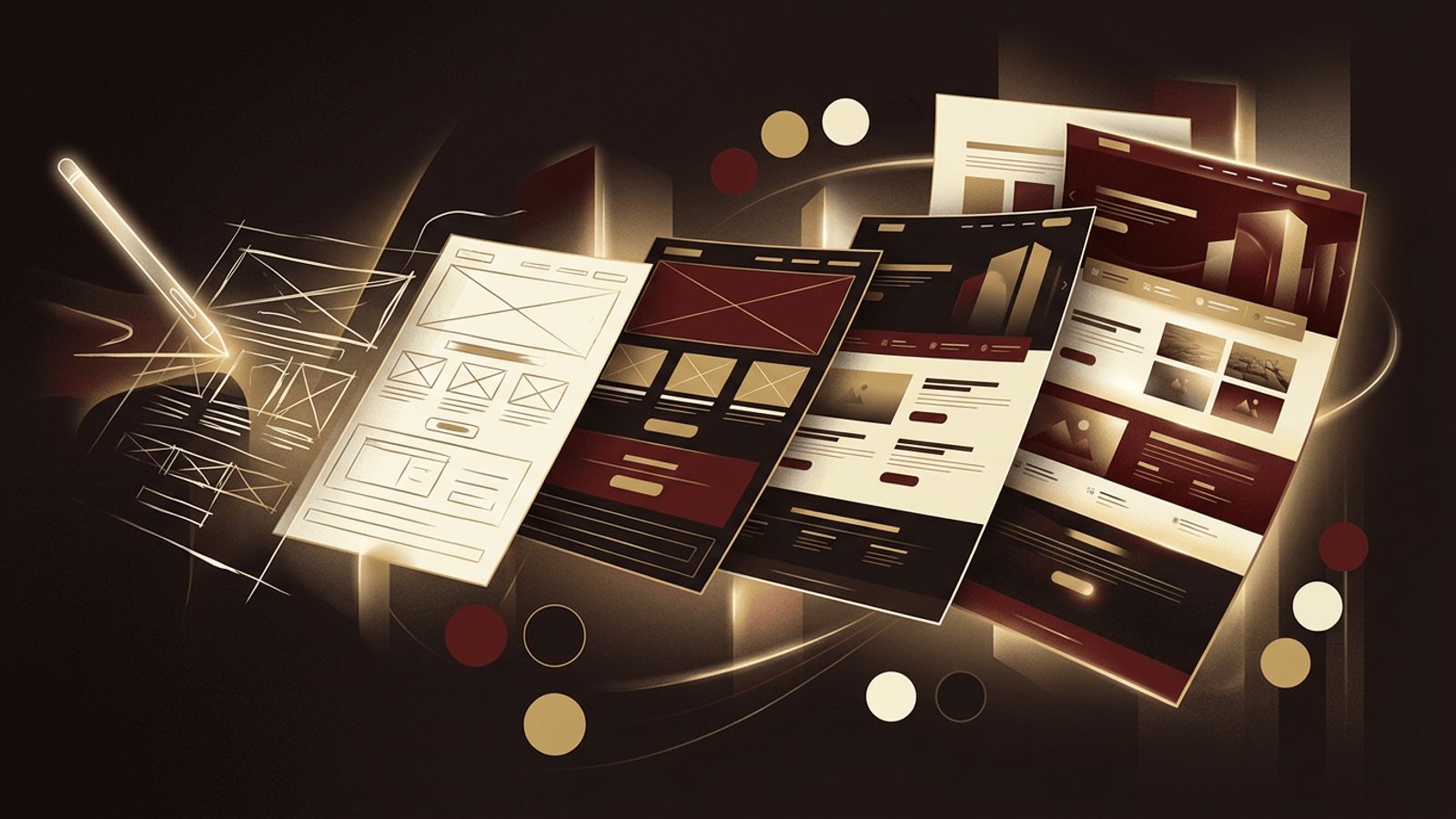
A beautiful website may look like the product of pure creativity, but professional web design follows a deliberate, structured process. Every successful site begins with research and strategy, moves through planning and wireframing, evolves into polished visual design, and finally comes to life through development and testing. Understanding how web designing is done helps business owners participate more effectively in projects, set realistic expectations, and recognize the difference between a website that simply looks good and one that genuinely achieves business goals.
How AAMAX.CO Approaches the Web Design Process
Businesses that want a smooth, results-focused design experience can partner with AAMAX.CO, a full-service digital marketing company providing web development, digital marketing, and SEO services worldwide. Their team follows a proven process that begins with understanding a client's audience and objectives, then moves through wireframes, visual design, and responsive development. Because they also offer SEO and marketing expertise, their designs are built to attract traffic and convert visitors. Companies seeking professional website design can count on them for a collaborative and transparent approach from concept to launch.
Step One: Discovery and Research
Web design begins with understanding. Designers meet with stakeholders to learn about the business, its goals, its target audience, and its competitors. They ask questions such as who the site is for, what actions visitors should take, and what makes the brand unique.
Research may include analyzing competitor websites, reviewing existing analytics, conducting user surveys, and creating user personas. This foundation ensures that design decisions are based on real needs rather than personal preferences.
Step Two: Planning and Information Architecture
Once goals are clear, designers plan the structure of the website. Information architecture defines how content is organized and how users navigate between pages. Designers create a sitemap that outlines all pages and their relationships, ensuring that important information is easy to find.
During this phase, teams also identify the content each page needs, plan user journeys, and decide which features are required, such as contact forms, booking systems, or online stores.
Step Three: Wireframing
Wireframes are simple, low-fidelity layouts that show where elements will appear on each page without focusing on colors or images. They act as blueprints, mapping out headers, navigation, content blocks, calls to action, and footers.
Wireframing allows designers and clients to focus on layout and functionality before investing time in visual details. Changes at this stage are quick and inexpensive, making it an essential step in the process.
Step Four: Visual Design and Mockups
With wireframes approved, designers create high-fidelity mockups that show exactly how the website will look. They apply the brand's color palette, typography, imagery, icons, and spacing to create a cohesive visual identity. Tools such as Figma, Adobe XD, and Sketch are commonly used for this work.
Designers pay close attention to visual hierarchy, guiding the user's eye toward the most important elements. They also design for multiple screen sizes, creating desktop, tablet, and mobile versions to ensure a responsive experience.
Step Five: Prototyping and Feedback
Interactive prototypes link mockups together so stakeholders can click through the design as if it were a real website. Prototypes help test navigation, interactions, and user flows before development begins. Feedback from clients and test users is gathered and used to refine the design, reducing the risk of costly changes later.
Step Six: Design Systems and Handoff
For consistency, designers often create a design system or style guide that documents colors, fonts, buttons, form elements, and reusable components. This ensures the website remains consistent as it grows and makes collaboration with developers more efficient.
During handoff, designers provide developers with specifications, assets, and guidance on spacing, interactions, and responsive behavior. Close communication between design and development teams ensures the final site matches the approved vision.
Step Seven: Development
Developers translate the design into code using HTML, CSS, and JavaScript, often within a content management system or modern framework. They build responsive layouts, integrate functionality, optimize performance, and set up content management so the client can update the site independently.
Designers typically remain involved during development to review progress and ensure visual details are implemented accurately.
Step Eight: Testing and Quality Assurance
Before launch, the website is tested across browsers, devices, and screen sizes. Teams check for broken links, form functionality, loading speed, accessibility compliance, and SEO essentials such as titles, meta descriptions, and heading structure. Usability testing may also reveal areas where users struggle, allowing final refinements.
Step Nine: Launch and Ongoing Optimization
Launching a website is not the end of the process. After going live, teams monitor analytics, user behavior, and performance metrics. Heatmaps and A/B tests help identify opportunities to improve conversions. Regular updates keep content fresh, software secure, and design aligned with evolving brand and user needs.
Key Principles Behind Good Web Design
Throughout the process, designers follow core principles: clarity, consistency, accessibility, responsiveness, and performance. Good design prioritizes the user, removes unnecessary friction, and supports business objectives. It balances aesthetics with usability so that visitors enjoy the experience and can easily accomplish their goals.
Conclusion
Web designing is done through a structured process of discovery, planning, wireframing, visual design, prototyping, development, testing, and ongoing optimization. Each step builds on the previous one, ensuring that the final website is visually appealing, user-friendly, and aligned with business goals. By following this approach, businesses can launch websites that not only look impressive but also deliver measurable results.
