

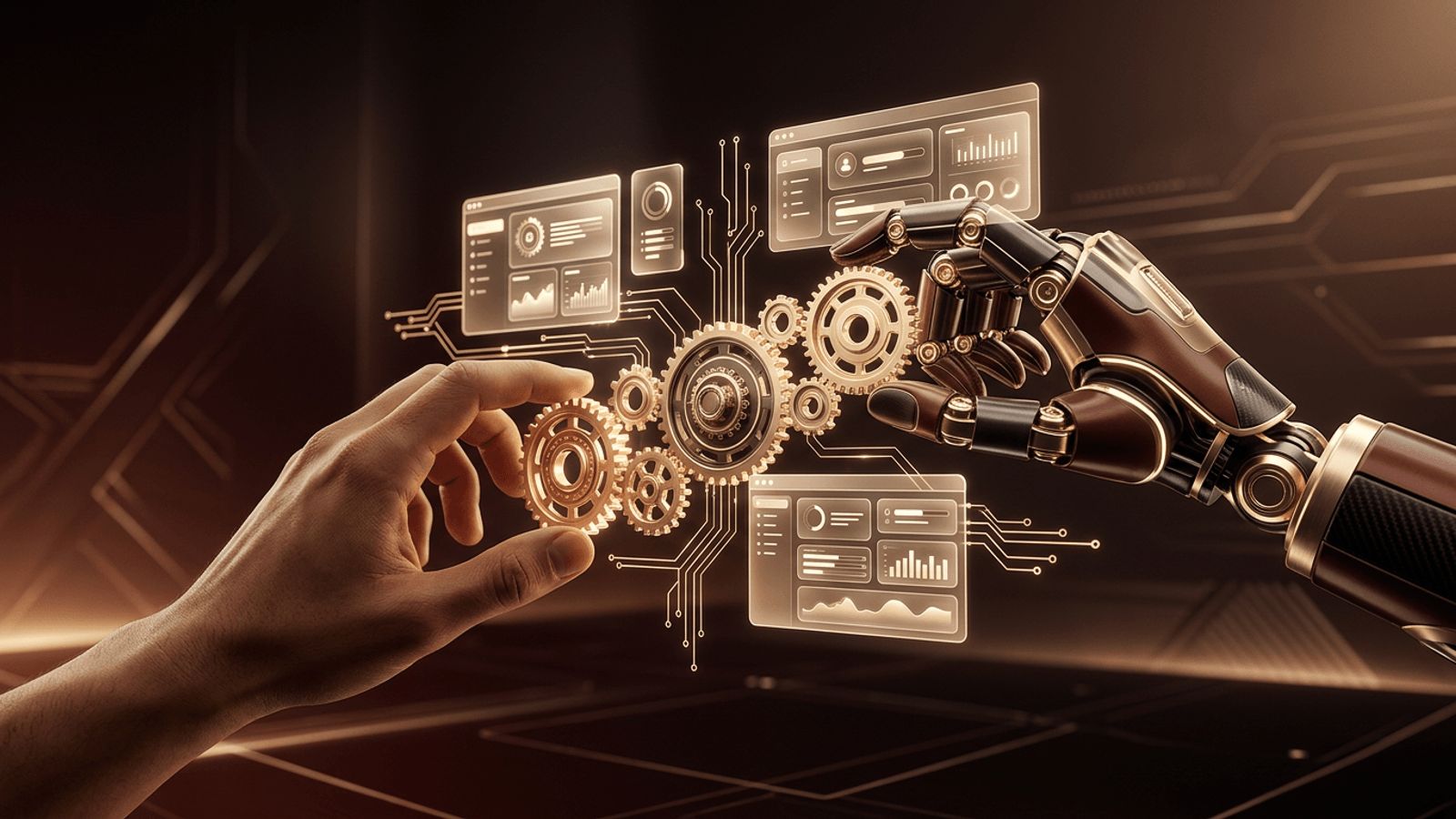
Few technologies have reshaped software development as quickly as artificial intelligence. In just a few years, AI has moved from experimental research to a daily companion for developers, product managers, and designers. It now writes code, catches bugs, generates test cases, and powers intelligent features inside the applications themselves. For businesses investing in custom software, understanding how AI is changing web application development is essential for making smart decisions about budgets, timelines, and product capabilities. This article explores the key shifts and what they mean for the future.
How AAMAX.CO Builds Intelligent, Future-Ready Web Applications
Businesses need partners who understand both traditional engineering principles and emerging AI capabilities. AAMAX.CO is a full-service digital marketing company offering web development, digital marketing, and SEO services worldwide. Their developers build scalable, secure applications and can integrate AI-powered features such as chat assistants, recommendation engines, and smart search where they add real value. Through their web application development services, they help companies harness AI responsibly, combining automation with careful architecture, testing, and user-centered design.
AI-Assisted Coding Is Accelerating Development
AI coding assistants have become one of the most visible changes in development workflows. These tools suggest code completions, generate entire functions from natural language descriptions, and explain unfamiliar code. Developers can scaffold components, write boilerplate, and convert designs into working interfaces far faster than before.
This acceleration does not eliminate the need for skilled engineers. Instead, it shifts their focus. Developers spend less time on repetitive tasks and more time on architecture, problem solving, code review, and ensuring that generated code meets quality and security standards.
Smarter Testing and Quality Assurance
Testing has traditionally been time-consuming, and it is often the first area to suffer when deadlines approach. AI tools now generate unit tests, suggest edge cases, and analyze code changes to predict where bugs are most likely to appear. Visual testing tools use machine learning to detect layout regressions across browsers and devices. Some platforms even simulate user behavior to uncover usability issues. The result is higher quality software delivered with greater confidence.
Faster Prototyping and Product Discovery
AI makes it possible to turn ideas into interactive prototypes in hours rather than weeks. Product teams can describe a feature, generate a working mockup, gather feedback from stakeholders, and iterate rapidly. This speed reduces the risk of building the wrong product, because assumptions can be validated earlier and more cheaply. Startups in particular benefit from the ability to test concepts with real users before committing large budgets.
AI-Powered Features Inside Applications
Beyond changing how applications are built, AI is changing what applications can do. Modern web apps increasingly include intelligent features such as:
- Conversational assistants that answer questions, guide users, and complete tasks through natural language.
- Personalized recommendations for products, content, or next actions based on behavior.
- Semantic search that understands intent rather than matching exact keywords.
- Document and image analysis that extracts data, summarizes content, or classifies uploads.
- Predictive analytics that forecast trends, churn, or demand.
- Automated workflows that trigger actions based on patterns and events.
These capabilities, once available only to large enterprises, are now accessible to businesses of all sizes through AI APIs and gateways.
Improved Developer Documentation and Onboarding
Large codebases can be difficult for new team members to understand. AI tools can now answer questions about a project's code, summarize how modules interact, and generate documentation automatically. This shortens onboarding time, reduces dependency on individual team members, and makes long-term maintenance easier.
Enhanced Security Analysis
Security is a growing concern for web applications. AI-driven security tools scan code for vulnerabilities, detect suspicious dependency updates, and monitor live traffic for unusual patterns that may indicate attacks. However, AI-generated code itself can introduce vulnerabilities if not reviewed carefully. Responsible teams combine automated scanning with human expertise and established security practices.
Challenges and Responsible Use
AI adoption brings important challenges. Generated code can be inaccurate or inefficient. AI features may produce unexpected outputs, so applications need guardrails, monitoring, and clear user expectations. Data privacy must be handled carefully, especially when user information is sent to AI models. Costs for AI usage need to be planned and monitored. Teams must also consider bias, transparency, and compliance with evolving regulations. Successful AI integration requires thoughtful design rather than simply adding features because they are trendy.
What This Means for Businesses
For businesses, AI offers opportunities to launch faster, reduce certain development costs, and deliver smarter user experiences. However, the competitive advantage comes from applying AI strategically. The most valuable applications solve real problems for users, integrate AI where it meaningfully improves outcomes, and maintain high standards for performance, accessibility, and security. Choosing an experienced development partner helps ensure AI is an asset rather than a liability.
The Future of Web Application Development
Looking ahead, AI will likely become even more embedded in every stage of development, from requirement gathering and design to deployment and monitoring. Autonomous agents may handle routine maintenance tasks, and applications will increasingly adapt in real time to individual users. Developers who embrace these tools while sharpening their architectural and strategic skills will be best positioned to thrive.
Conclusion
AI is changing web application development by accelerating coding, improving testing, enabling rapid prototyping, and powering intelligent features that transform user experiences. It also introduces new responsibilities around quality, security, privacy, and cost. Businesses that approach AI thoughtfully, with skilled developers guiding its use, can build web applications that are faster to market, smarter to use, and better prepared for the future.
