

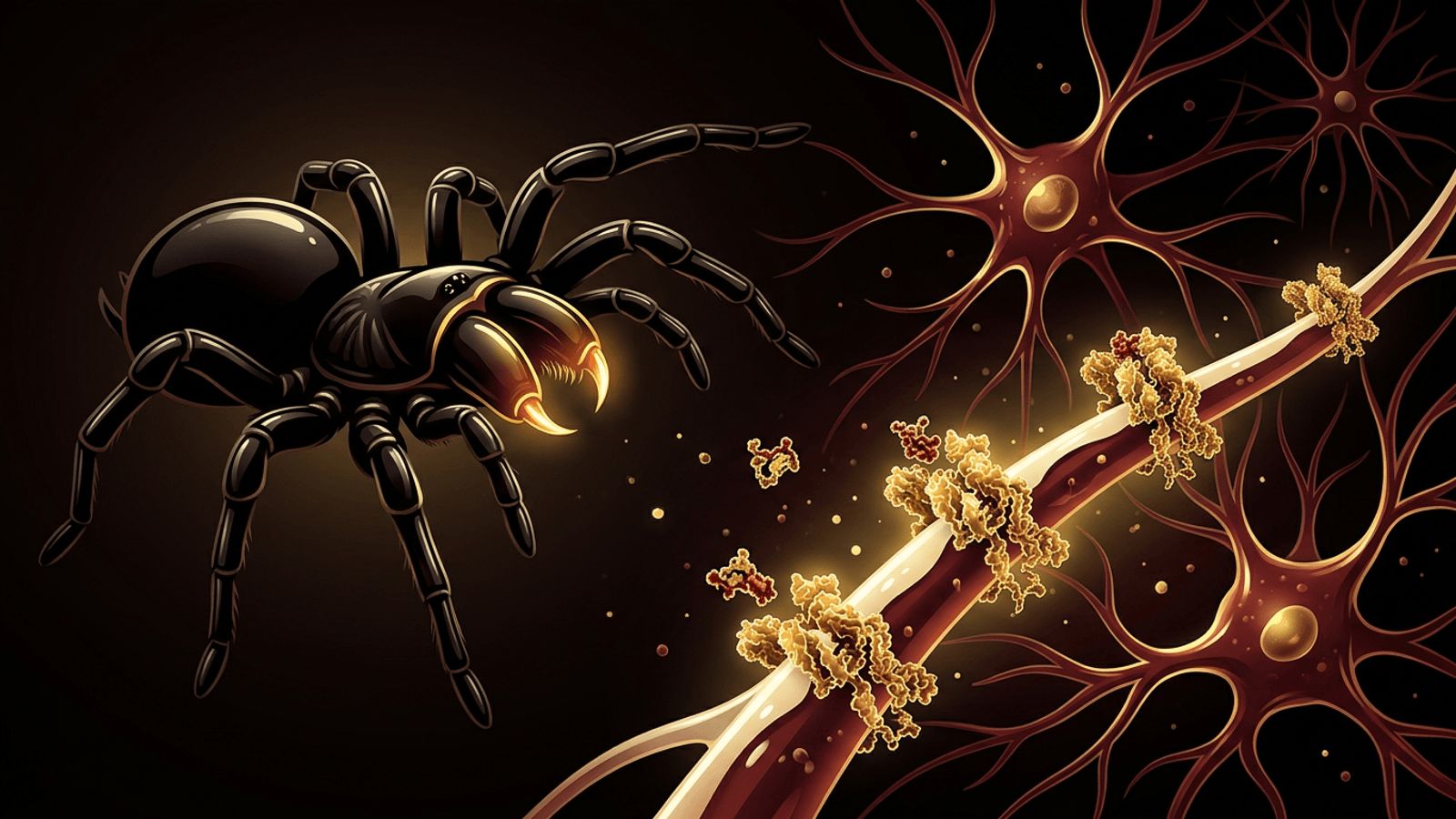
Australian funnel-web spiders have earned a fearsome reputation, and for good reason. The Sydney funnel-web spider, Atrax robustus, along with its relatives in the genus Hadronyche, produces venom considered among the most dangerous to humans of any spider in the world. Yet the story of funnel-web venom is also a fascinating example of biochemistry, evolution, and medical progress. Understanding how the venom works explains why bites were once fatal, why prompt first aid matters, and how researchers are now studying these toxins for potential medical breakthroughs. This article explores the science behind funnel-web venom in clear, accessible terms.
Sharing Science Online with AAMAX.CO
Educational content like this reaches more people when it is published on a fast, well-structured, and search-friendly website. AAMAX.CO is a full service digital marketing company that offers web development, digital marketing, and SEO services worldwide. They help research institutions, wildlife organizations, healthcare providers, and science publishers build engaging websites that present complex information clearly. Their team combines thoughtful design, accessible layouts, and SEO strategy so that important knowledge, such as venomous species safety and first aid guidance, can be found easily by the people who need it most.
Meet the Funnel-Web Spider
Funnel-web spiders are large, glossy, dark-colored spiders native to eastern Australia. They get their name from the funnel-shaped silk burrows they build in moist, sheltered places such as under rocks, logs, and garden debris. They are mygalomorphs, meaning their fangs point straight down rather than pinching sideways, allowing them to strike forcefully. When threatened, they rear up, display their fangs, and may bite repeatedly. Male funnel-webs wander in search of mates during warmer months, which is when most encounters with people occur.
What Is in Funnel-Web Venom?
Funnel-web venom is a complex cocktail of molecules, including peptides, enzymes, and small compounds. The most significant components are a group of toxins called delta-hexatoxins. In the Sydney funnel-web, the key toxin is known as delta-atracotoxin, also called robustoxin. These are small proteins held together by tightly folded structures that make them stable and highly potent. Researchers have identified dozens of distinct peptides in the venom, many of which target insects, reflecting the spider's need to subdue its prey.
How the Venom Attacks the Nervous System
The delta-hexatoxins act on voltage-gated sodium channels in nerve cells. Normally, these channels open briefly to allow sodium ions to flow in, creating an electrical signal, and then close quickly so the nerve can reset. The toxin slows the inactivation of these channels, keeping them open longer than normal. As a result, nerves fire repeatedly and uncontrollably. This overstimulation affects both the somatic nervous system, which controls muscles, and the autonomic nervous system, which regulates heart rate, blood pressure, sweating, and salivation.
Symptoms of Envenomation
Because the venom overstimulates nerves, symptoms reflect a body in overdrive. A bite is usually very painful due to the large fangs and acidic venom. Early signs can include tingling around the mouth, muscle twitching, and tongue spasms. These may be followed by heavy sweating, excessive salivation, tears, goosebumps, nausea, vomiting, and abdominal pain. Blood pressure and heart rate may rise sharply. In severe cases, fluid can build up in the lungs, a condition called pulmonary edema, followed by dangerously low blood pressure, confusion, and loss of consciousness.
Why Humans Are So Vulnerable
One of the most intriguing aspects of funnel-web venom is that it affects primates, including humans, far more severely than many other mammals. Animals such as dogs, cats, and rabbits appear relatively resistant to the toxin. Scientists believe this is because the venom evolved primarily to target insects and to deter predators, and the sodium channels of primates happen to be particularly susceptible. Research also shows that venom from male spiders is generally more toxic to humans than venom from females, which aligns with the higher risk posed by wandering males.
The Role of Antivenom
Before an effective antivenom became available, funnel-web bites were responsible for a number of recorded deaths in Australia. In 1981, researchers released an antivenom developed by immunizing rabbits with venom from male Sydney funnel-web spiders. The antibodies in the antivenom bind to the toxins and neutralize them before they can cause further harm. Since its introduction, there have been no confirmed deaths from funnel-web bites when antivenom has been administered appropriately. Australia's antivenom program relies partly on members of the public safely collecting spiders for venom milking.
First Aid for a Funnel-Web Bite
Any suspected funnel-web bite should be treated as a medical emergency. Call emergency services immediately. Apply a pressure immobilization bandage, starting over the bite site and wrapping firmly up the entire limb, then splint the limb and keep the person as still and calm as possible. This technique slows the movement of venom through the lymphatic system. Do not wash the bite, cut it, or apply a tourniquet. The person should be transported to a hospital where antivenom can be given if symptoms develop.
Medical Research and Future Potential
Ironically, the same venom that can be deadly may also save lives. Scientists have studied peptides from Australian funnel-web species for potential treatments. One molecule, Hi1a, from the Fraser Island funnel-web, has shown promise in laboratory research for protecting brain and heart tissue after strokes and heart attacks. Other compounds are being explored as environmentally friendly insecticides. Organizations sharing this research benefit from professional website design that presents complex science in an approachable way.
Conclusion
Funnel-web venom works by targeting sodium channels in nerve cells, preventing them from shutting off and causing a dangerous storm of nerve activity throughout the body. Humans are especially sensitive, which once made bites life-threatening. Today, effective first aid and antivenom have dramatically improved outcomes, while ongoing research is uncovering surprising medical uses for these powerful toxins. Respect, awareness, and prompt treatment remain the keys to staying safe in funnel-web country.
