

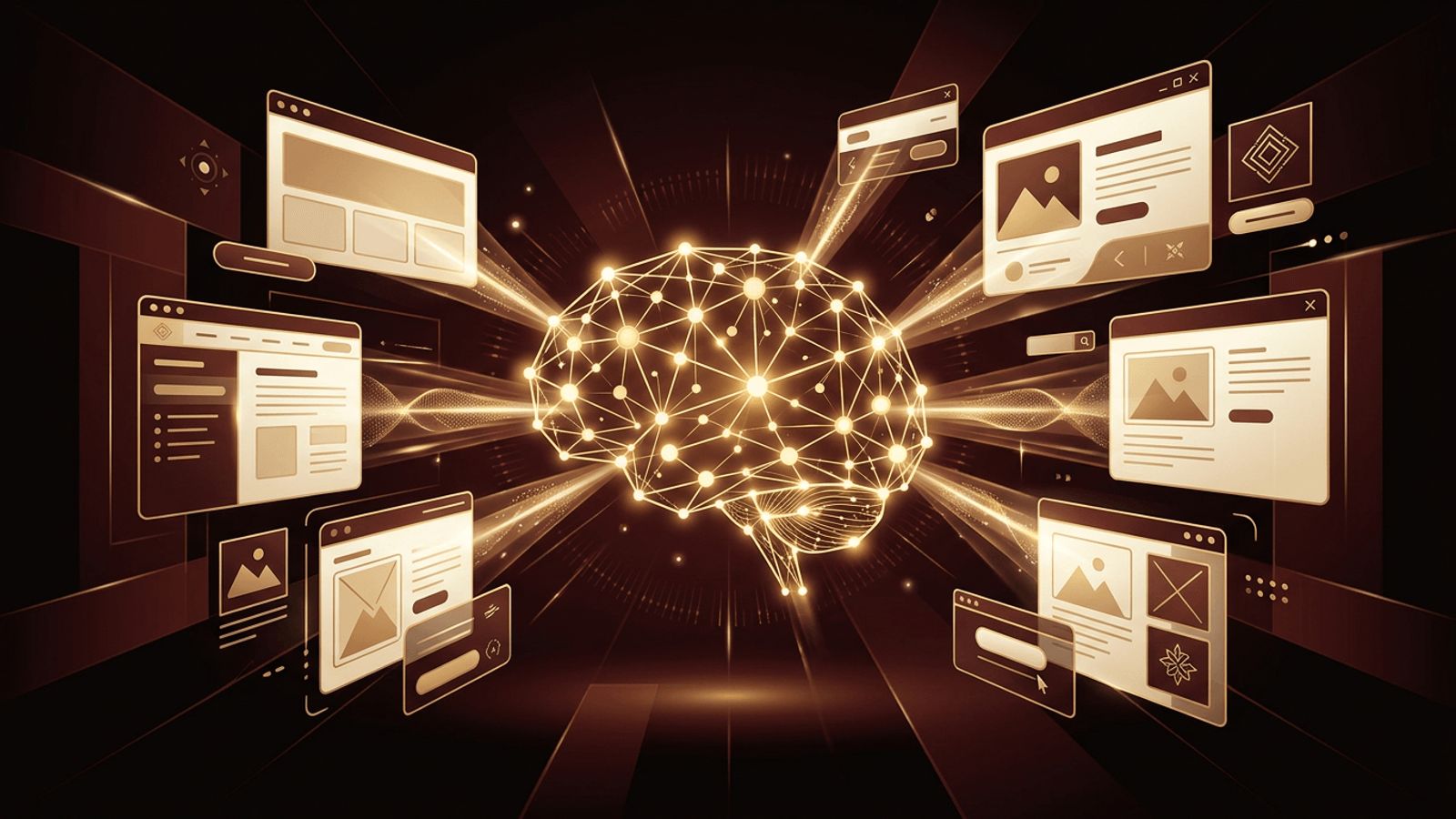
Artificial intelligence has moved from a futuristic concept to an everyday tool in the world of web design. Platforms now promise to generate entire websites from a few sentences, suggest color palettes, write headlines, and produce production-ready code. For business owners and designers, this raises important questions. How does AI web design actually work? Can it replace human designers? And how can you use it effectively without sacrificing quality or originality? This article explains the technology behind AI web design, its practical applications, and the best way to integrate it into a professional workflow.
How AAMAX.CO Combines AI Efficiency With Human Creativity
AI tools are powerful, but they deliver the best results when guided by experienced professionals. AAMAX.CO is a full-service digital marketing company offering web development, digital marketing, and SEO services worldwide. They embrace modern technology, including AI-assisted workflows, while relying on skilled designers and strategists to ensure every site is unique, on-brand, and built around real user needs. Their website design approach blends speed and innovation with thoughtful strategy, giving businesses the advantages of AI without the generic look that often comes from fully automated tools.
The Technology Behind AI Web Design
AI web design relies on several branches of machine learning working together. Large language models, trained on massive amounts of text and code, can interpret natural language prompts and generate website copy, HTML, CSS, and JavaScript. Image generation models create illustrations, hero images, and icons based on descriptive prompts. Computer vision models analyze existing designs to understand layout patterns, spacing, and visual hierarchy.
These systems learn from millions of examples. When you ask an AI tool to create a landing page for a coffee shop, it draws on patterns it has observed across countless similar websites, such as hero sections with warm imagery, menu highlights, location details, and calls to action. The result is a design that follows established conventions and can be generated in seconds.
Common Capabilities of AI Web Design Tools
Modern AI design tools offer a range of features that streamline the web creation process:
- Layout generation that produces complete page structures from a text description.
- Content writing for headlines, product descriptions, about sections, and meta tags.
- Image creation for custom visuals without the need for stock photography.
- Code generation that converts designs or prompts into working front-end components.
- Personalization that adapts content and layouts to different visitor segments.
- Optimization suggestions for accessibility, performance, and SEO improvements.
The Typical AI Web Design Workflow
Most AI-driven design processes follow a similar sequence. First, the user provides a prompt describing the business, audience, style preferences, and required pages. The AI then generates an initial draft, including layout, color scheme, typography, and placeholder or generated content. The user reviews the draft and requests changes through follow-up prompts or visual editing. Finally, the design is exported as code or published directly to hosting, sometimes with integrated analytics and forms.
This iterative loop allows rapid prototyping. Ideas that once took days to mock up can now be visualized in minutes, which makes it easier to explore multiple directions before committing to one.
Where AI Web Design Excels
AI shines in situations where speed and volume matter. It is excellent for creating quick prototypes, testing design concepts, generating content variations for A/B testing, and building simple sites with standard requirements. It can also help non-designers understand what is possible and communicate their vision more clearly to professionals. For developers, AI coding assistants reduce repetitive work, freeing more time for complex logic and refinement.
The Limitations of AI Web Design
Despite its strengths, AI has meaningful limitations. Because it learns from existing patterns, its output can feel generic and similar to countless other sites. It may not fully understand a brand's unique voice, positioning, or competitive differentiators. AI-generated copy can contain inaccuracies or vague statements that require careful editing. Generated code sometimes includes accessibility gaps, performance issues, or security weaknesses that an experienced developer would catch.
Strategic thinking is another area where humans remain essential. Understanding customer psychology, mapping user journeys, aligning design with business goals, and crafting a memorable brand experience all require judgment and empathy that AI does not truly possess.
Best Practices for Using AI in Web Design
To get the most from AI while avoiding its pitfalls, consider these guidelines:
- Write detailed prompts that describe your audience, goals, brand personality, and competitors.
- Treat AI output as a first draft, not a finished product.
- Review all generated content for accuracy, tone, and originality.
- Audit generated code for accessibility, performance, and security.
- Customize visuals so your site reflects your brand rather than common templates.
- Involve experienced designers and developers for strategic and technical decisions.
The Future of AI Web Design
AI capabilities are advancing quickly. Future tools will likely offer deeper personalization, real-time optimization based on visitor behavior, and tighter integration between design, development, and marketing systems. Rather than replacing designers, AI is reshaping their role. Professionals who use AI to accelerate routine tasks can spend more time on creative strategy, user research, and crafting distinctive experiences that truly stand out.
Conclusion
AI web design works by combining language models, image generators, and pattern recognition to produce layouts, content, and code from simple instructions. It is fast, accessible, and increasingly capable, but it is not a substitute for human strategy and creativity. The most successful websites will come from teams that use AI as a powerful assistant while relying on expert judgment to deliver experiences that are original, accessible, and aligned with real business goals.
