

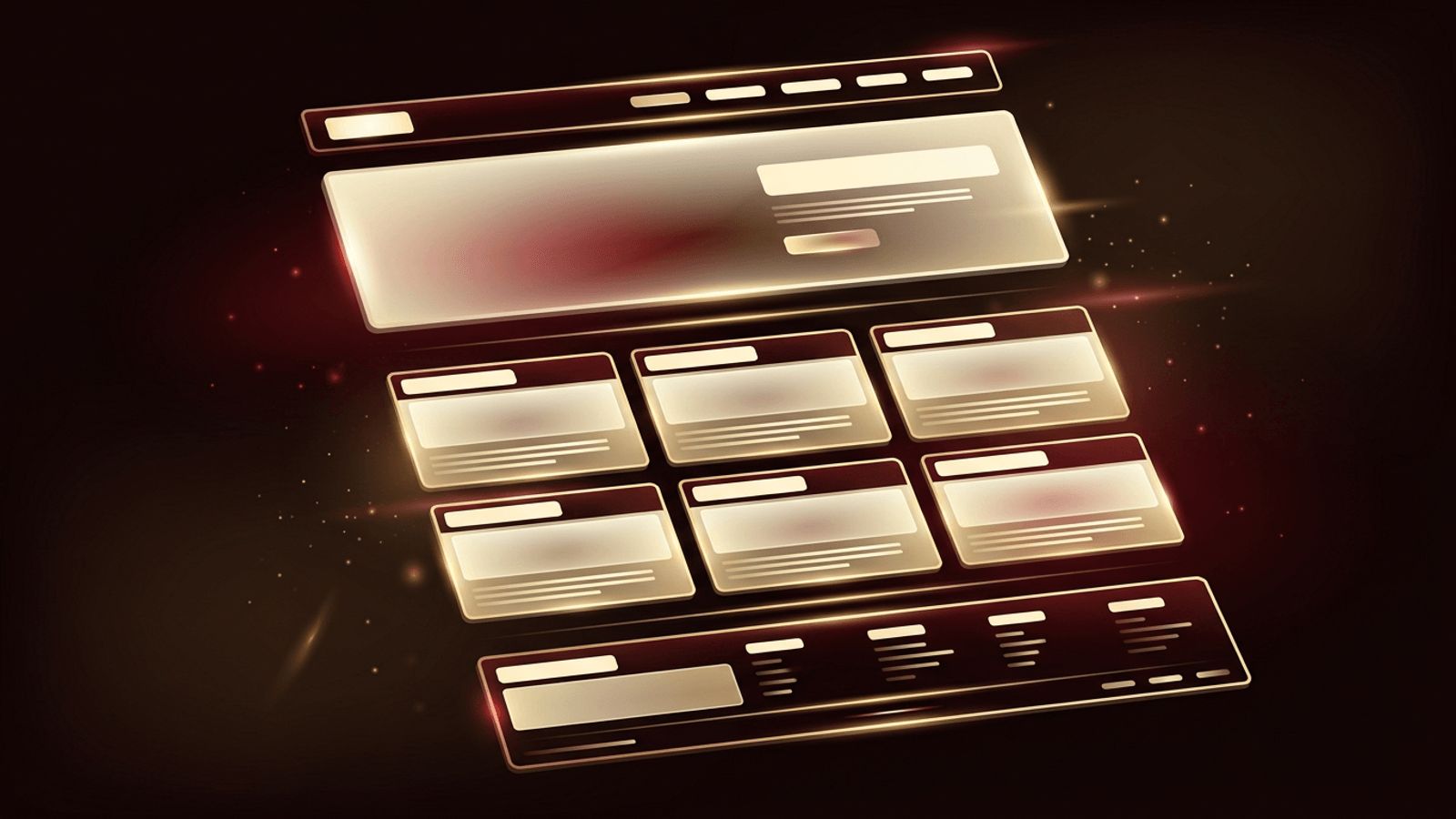
Most people visit dozens of web pages every day without stopping to think about how they are put together. Yet nearly every page shares a familiar anatomy, from the logo and menu at the top to the contact details at the bottom. Knowing what a web page looks like, both visually and structurally, helps business owners plan their own websites, communicate better with designers, and recognize what separates an effective page from a confusing one. This guide breaks down the visible layout, the code underneath, and the design principles that make pages attractive and usable.
Designing Professional Web Pages with AAMAX.CO
A great web page balances structure, aesthetics, and purpose. AAMAX.CO is a full service digital marketing company that delivers web development, digital marketing, and SEO services worldwide. Their designers and developers plan every element of a page, from the header and hero section to calls to action and footers, around the goals of the business. They create layouts that look polished, communicate clearly, and guide visitors toward meaningful actions, while ensuring the underlying code is clean, accessible, and optimized for search engines.
The Header: First Impressions at the Top
The header is the strip at the very top of the page and usually contains the brand logo, primary navigation menu, and sometimes a search bar, phone number, or prominent button. It appears on every page of the site, giving visitors a consistent anchor as they explore. On smaller screens, navigation often collapses into a menu icon to save space. A well-designed header is simple, easy to scan, and lets users know immediately whose website they are on and where they can go next.
The Hero Section: Communicating the Main Message
Directly below the header, many pages feature a hero section. This large, eye-catching area typically includes a bold headline, a short supporting sentence, an image or video, and a primary call to action button. Its job is to communicate the page's value proposition within a few seconds. Because this content is often the largest element visible when the page loads, it strongly influences perceived speed and first impressions. Effective hero sections focus on one message rather than trying to say everything at once.
The Main Content Area
The body of the page holds the core information. Depending on the purpose, this might include service descriptions, product grids, blog articles, testimonials, pricing tables, feature lists, or image galleries. Content is commonly organized into sections with clear headings, short paragraphs, and visual elements that break up text. Designers use grids and columns to arrange information logically, and white space to prevent clutter. A sidebar may appear on blogs or documentation pages, offering related links, categories, or subscription forms.
Calls to Action and Forms
Throughout the page, calls to action encourage visitors to take the next step, whether that means buying a product, booking a consultation, downloading a guide, or signing up for a newsletter. These are usually styled as buttons with contrasting colors and action-oriented labels. Forms collect information such as names, emails, and messages. Good forms are short, clearly labeled, and accessible, with helpful error messages. The placement of calls to action, often repeated after key sections, has a major effect on conversion rates.
The Footer: Supporting Information at the Bottom
The footer sits at the bottom of every page and provides secondary information. It typically includes contact details, links to important pages, social media icons, legal notices such as privacy policies and terms, and copyright information. Larger sites may use expanded footers with multiple columns of links. While visitors spend less time here, the footer serves as a safety net for people who scroll to the end looking for something specific, and it supports navigation and internal linking for search engines.
What a Web Page Looks Like Under the Hood
Behind the visual layout, a web page is built with three core technologies. HTML provides structure, using elements like header, nav, main, section, article, and footer to describe content. CSS controls presentation, including colors, fonts, spacing, and layout systems such as Flexbox and Grid. JavaScript adds behavior, such as interactive menus, sliders, form validation, and dynamic content loading. Together, these layers are delivered by a server and interpreted by the browser to produce the page you see. Semantic, well-organized code makes pages easier to maintain and more understandable to search engines and assistive technologies.
Design Principles That Shape a Page
Strong pages follow a few timeless design principles. Visual hierarchy uses size, color, and placement to show what matters most. Consistency in fonts, colors, and spacing builds trust. Contrast ensures text is readable and buttons stand out. Alignment and grids create order, while white space gives content room to breathe. Responsive design ensures the page adapts gracefully to phones, tablets, and desktops. Professional website design applies these principles intentionally so that every page feels cohesive and easy to use.
Different Pages, Different Layouts
Not every page looks the same. A homepage introduces the brand and links to key areas. A landing page focuses on a single campaign with minimal distractions. A product page highlights images, pricing, and reviews. A blog post emphasizes readable text with supporting visuals. A contact page centers on forms, maps, and contact details. Each type uses the same building blocks of header, content, and footer, but arranges them to serve a specific goal.
Conclusion
A typical web page consists of a header, hero section, main content, calls to action, and a footer, all built with HTML, styled with CSS, and enhanced with JavaScript. Behind its appearance lies a careful combination of structure, design principles, and technical decisions. When these pieces work together, a page looks professional, communicates clearly, and helps visitors find exactly what they need, which is the ultimate measure of success for any website.
