

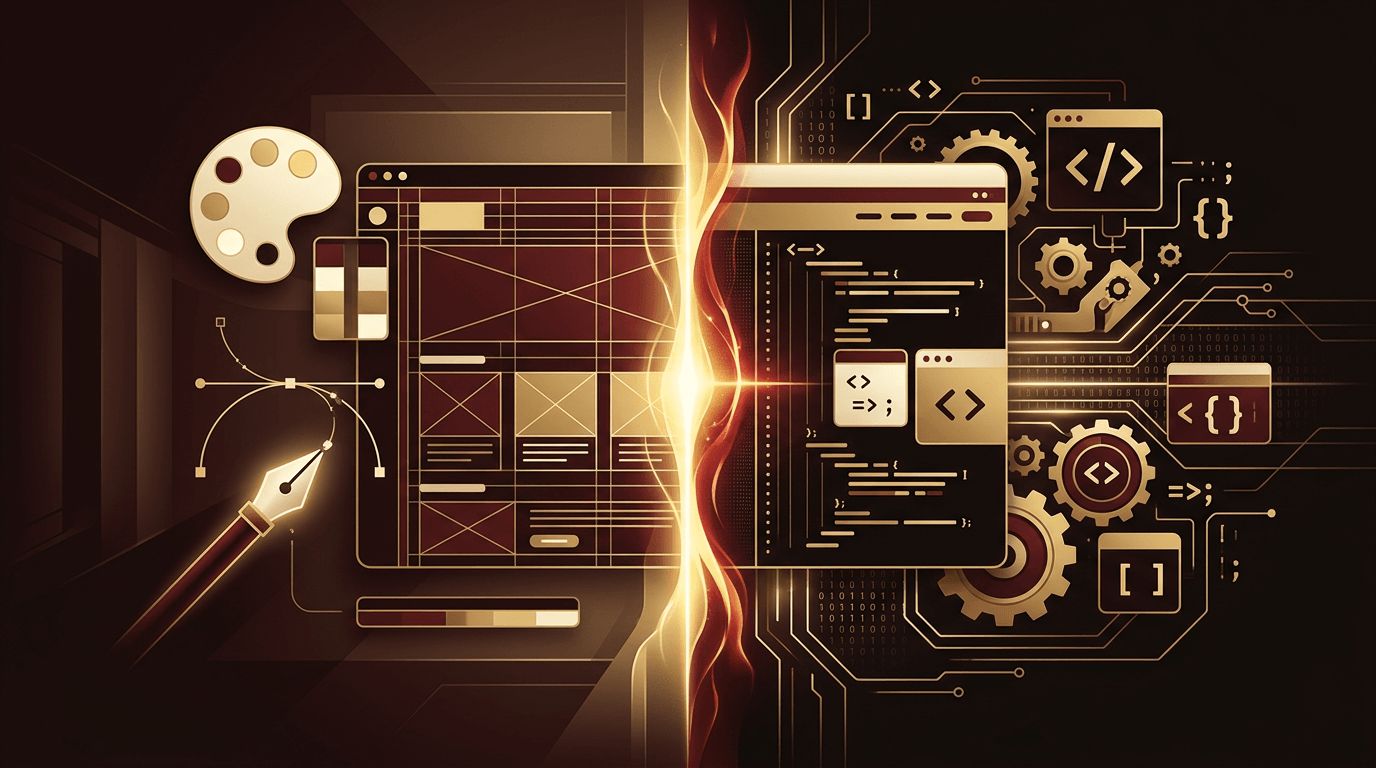
Web design and web development are two closely connected disciplines that together bring websites to life, yet they involve different skills, tools, and responsibilities. Web design focuses on how a website looks and feels, including layout, colors, typography, and user experience. Web development focuses on how a website works, turning designs into functional code and building the features that power it. Understanding the difference between web design and web development helps businesses hire the right talent, plan projects effectively, and communicate clearly with their digital teams.
How AAMAX.CO Brings Design and Development Together
The most successful websites come from teams where designers and developers collaborate closely from the very beginning. AAMAX.CO is a full service digital marketing company offering Web Development, Digital Marketing, and SEO Services worldwide. Their in-house designers create user-focused, brand-aligned interfaces, while their developers transform those designs into fast, secure, and scalable websites. Because both disciplines work under one roof alongside SEO specialists, their clients avoid miscommunication between separate vendors and receive websites that are beautiful, functional, and optimized for growth.
What Is Web Design?
Web design is the process of planning and creating the visual appearance and user experience of a website. Designers decide how information is organized, how users navigate, and how the brand is expressed visually. Their goal is to create interfaces that are attractive, intuitive, accessible, and effective at guiding visitors toward their goals.
Key Areas of Web Design
- User experience (UX) design: Researching user needs, mapping journeys, and structuring content so websites are easy to use.
- User interface (UI) design: Crafting the visual elements users interact with, such as buttons, menus, forms, and icons.
- Visual design: Choosing color palettes, typography, imagery, and spacing that reflect the brand.
- Information architecture: Organizing pages and content into logical hierarchies and navigation.
- Responsive design: Planning how layouts adapt across desktops, tablets, and phones.
Common Web Design Tools
Designers typically work in tools such as Figma, Adobe XD, Sketch, and Adobe Photoshop or Illustrator. They create wireframes, which are simple layout blueprints, then high-fidelity mockups and interactive prototypes that simulate how the finished website will behave.
What Is Web Development?
Web development is the process of building and maintaining the technical structure of a website. Developers write the code that turns static designs into working pages, connect databases, implement features, and ensure the site performs well and stays secure.
Front-End Development
Front-end developers build everything users see and interact with in the browser. They use HTML to structure content, CSS to apply styles, and JavaScript to add interactivity. Modern front-end work often involves frameworks and libraries such as React, Vue, Angular, and Next.js.
Back-End Development
Back-end developers build the server-side logic that powers a website behind the scenes. They work with languages such as PHP, Python, Node.js, Ruby, Java, or C#, and manage databases such as MySQL, PostgreSQL, and MongoDB. Back-end development handles user accounts, payment processing, content management, and integrations with third-party services.
Full-Stack Development
Full-stack developers work across both front-end and back-end, giving them a broad understanding of how all parts of a website connect.
Key Differences Between Web Design and Web Development
Focus
Design focuses on appearance, usability, and user experience. Development focuses on functionality, performance, and technical implementation.
Skills
Designers need creativity, visual communication, empathy for users, and knowledge of design principles. Developers need programming skills, logical problem-solving, and an understanding of servers, databases, and security.
Tools
Designers rely on visual design and prototyping software. Developers use code editors, version control systems like Git, frameworks, and testing tools.
Deliverables
Designers deliver wireframes, mockups, style guides, and prototypes. Developers deliver working websites, applications, and technical documentation.
Stage in the Project
Design usually comes first, defining what will be built. Development follows, bringing the design to life, although modern teams iterate between the two throughout the project.
Why Collaboration Matters
When designers and developers work in isolation, problems arise. Designs may be difficult or expensive to build, or developers may make compromises that weaken the user experience. Collaborative teams share design systems, discuss technical constraints early, and review work together. This approach produces websites that are both visually impressive and technically excellent.
Which Does a Business Need?
Most businesses need both. A brand refresh with minimal functionality changes may lean heavily on professional website design. A project involving custom features, integrations, or performance improvements depends on strong website development. Complex platforms such as customer portals or SaaS products require dedicated web application development, supported by thoughtful UX design.
Career Perspective
For individuals choosing a career, web design suits those who love visual creativity and understanding user behavior, while web development suits those who enjoy problem-solving and programming. Many professionals develop hybrid skills, such as designers who code or developers with strong UX sensibilities, making them especially valuable.
Conclusion
Web design shapes how a website looks and feels, while web development determines how it works. Design involves UX, UI, and visual creativity; development involves front-end and back-end programming. Both are essential, and the best websites emerge when the two disciplines collaborate from start to finish to create experiences that are beautiful, functional, and effective.
