

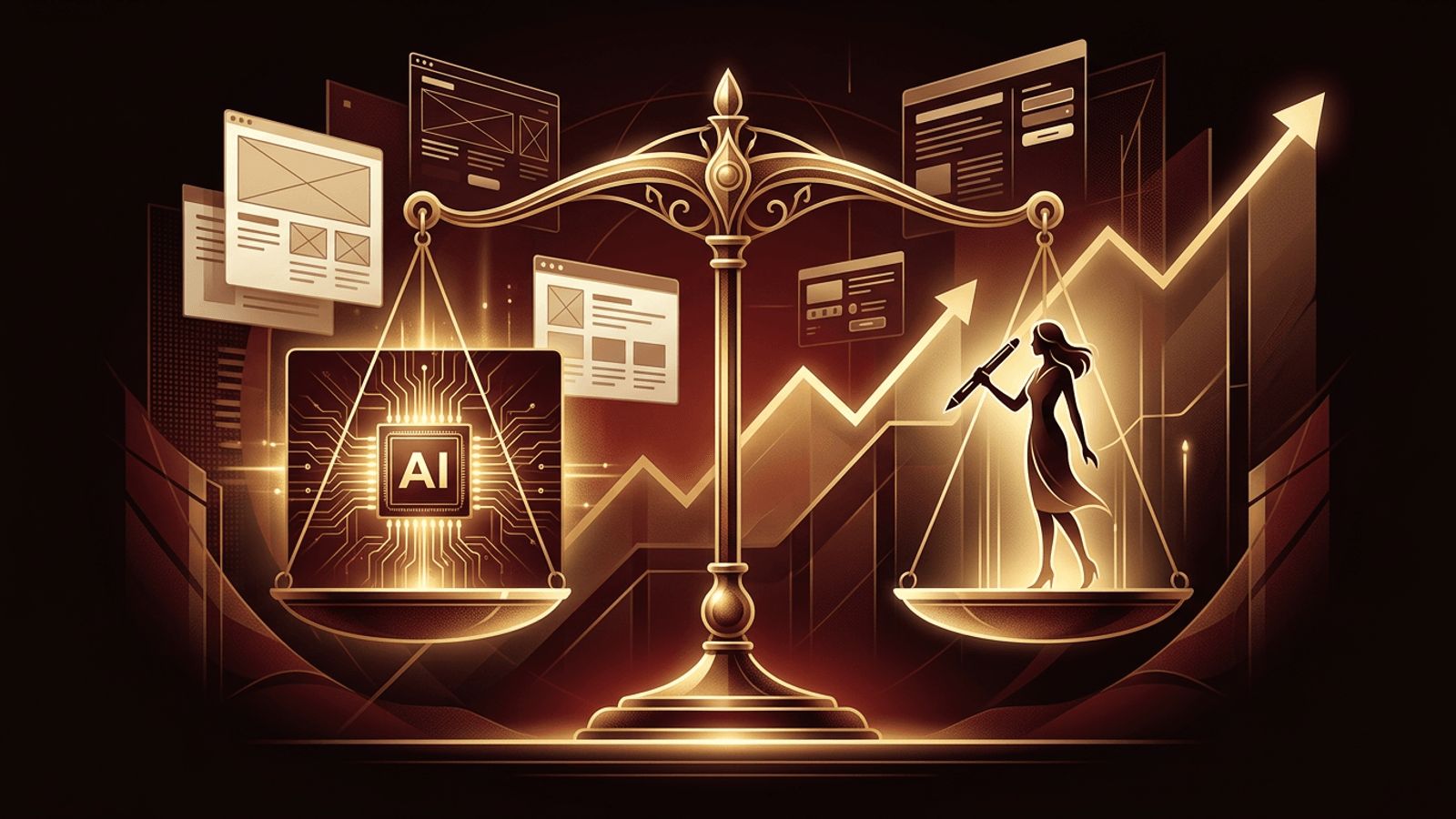
Headlines about artificial intelligence replacing jobs are everywhere, and web development is often named as one of the fields at risk. AI can now write code, design layouts, and deploy applications with very little human input. So it is natural to ask whether AI will eventually take over web development completely. A balanced look at the technology, the industry, and how businesses actually work suggests a more nuanced answer than the hype implies.
AAMAX.CO: Human-Led Web Development in the Age of AI
As AI changes the digital landscape, businesses need partners who can combine innovation with proven expertise. AAMAX.CO is a full-service digital marketing company offering web design, development, and SEO services to clients worldwide. They take a human-led, technology-enhanced approach, using modern tools to work more efficiently while relying on experienced professionals for strategy, architecture, and quality control. From custom web application development to performance-focused websites, they help businesses benefit from AI without taking on its risks.
The Current State of AI in Web Development
AI's progress in web development has been remarkable. Coding assistants can suggest and complete code in real time. Generative platforms can create full websites from text prompts. AI can debug errors, write tests, optimize images, and generate content. These tools have clearly increased developer productivity and lowered the barrier to entry for building simple websites.
However, most of these tools still depend on human direction. They need clear prompts, careful review, and integration into larger systems. AI excels at producing pieces of a solution, but turning those pieces into a reliable, secure, and maintainable product remains a human responsibility.
Why AI Cannot Fully Replace Web Developers
Several factors make a complete takeover unlikely in the near future:
- Understanding business context: Developers translate vague goals, stakeholder opinions, and market realities into concrete technical plans. AI cannot attend meetings, read between the lines, or negotiate priorities.
- Complex architecture: Large applications involve databases, APIs, caching layers, third-party services, and security policies that must work together. Designing these systems requires holistic judgment.
- Security and compliance: Regulations around data privacy, accessibility, and industry standards require careful implementation and accountability.
- Quality and maintenance: Websites evolve over years. Developers maintain, refactor, and scale codebases while preserving stability.
- Creativity and innovation: New product ideas, unique user experiences, and original solutions come from human creativity.
Jobs That May Change the Most
While AI will not take over the field entirely, it will change certain tasks. Basic website creation, simple landing pages, and template customization are becoming increasingly automated. Repetitive coding tasks such as writing boilerplate, converting designs to markup, and generating CRUD operations are also being streamlined. Developers whose work focuses mainly on these tasks may need to upskill to stay competitive.
New Opportunities Created by AI
AI is also creating new opportunities. Businesses want to integrate AI features such as chatbots, recommendation engines, personalized content, and intelligent search into their websites. That increases demand for developers who understand AI APIs, data pipelines, and responsible AI practices. Roles focused on AI integration, prompt engineering, model evaluation, and AI-powered product development are growing quickly.
In addition, as AI makes building websites easier, more businesses launch digital products, which increases the overall need for skilled professionals to customize, optimize, secure, and scale those products.
How the Developer's Role Is Evolving
The modern web developer is becoming more of a problem solver and system designer than a pure code writer. Developers now spend more time on architecture, code review, user experience, performance optimization, and collaboration with stakeholders. They guide AI tools, validate outputs, and make strategic decisions that keep projects aligned with business goals.
Soft skills are becoming more valuable as well. Communication, critical thinking, adaptability, and domain knowledge set great developers apart in an AI-enhanced industry.
What Businesses Should Consider
For businesses, the rise of AI means faster and potentially more affordable development, but it also introduces new risks. Relying entirely on AI-generated websites can lead to generic designs, security gaps, poor SEO, and difficult maintenance. The smartest approach is to work with professionals who use AI to boost efficiency while making sure every project meets high standards.
How Developers Can Future-Proof Their Careers
Developers who want to thrive should embrace AI tools rather than resist them. Learning to use coding assistants effectively, understanding AI integration, and strengthening fundamentals in architecture and security are key steps. Continuous learning, building a strong portfolio, and specializing in high-value areas such as performance, accessibility, or complex applications will keep developers in demand.
Conclusion
AI is transforming web development, but it is not taking over the field. Instead, it is automating routine tasks and raising expectations for what developers deliver. Human expertise remains essential for strategy, architecture, security, creativity, and accountability. The future of web development is collaborative, with AI as a powerful tool in the hands of skilled professionals. Businesses that partner with experienced teams like AAMAX.CO can enjoy the best of both worlds: the speed of AI and the reliability of human craftsmanship.
