

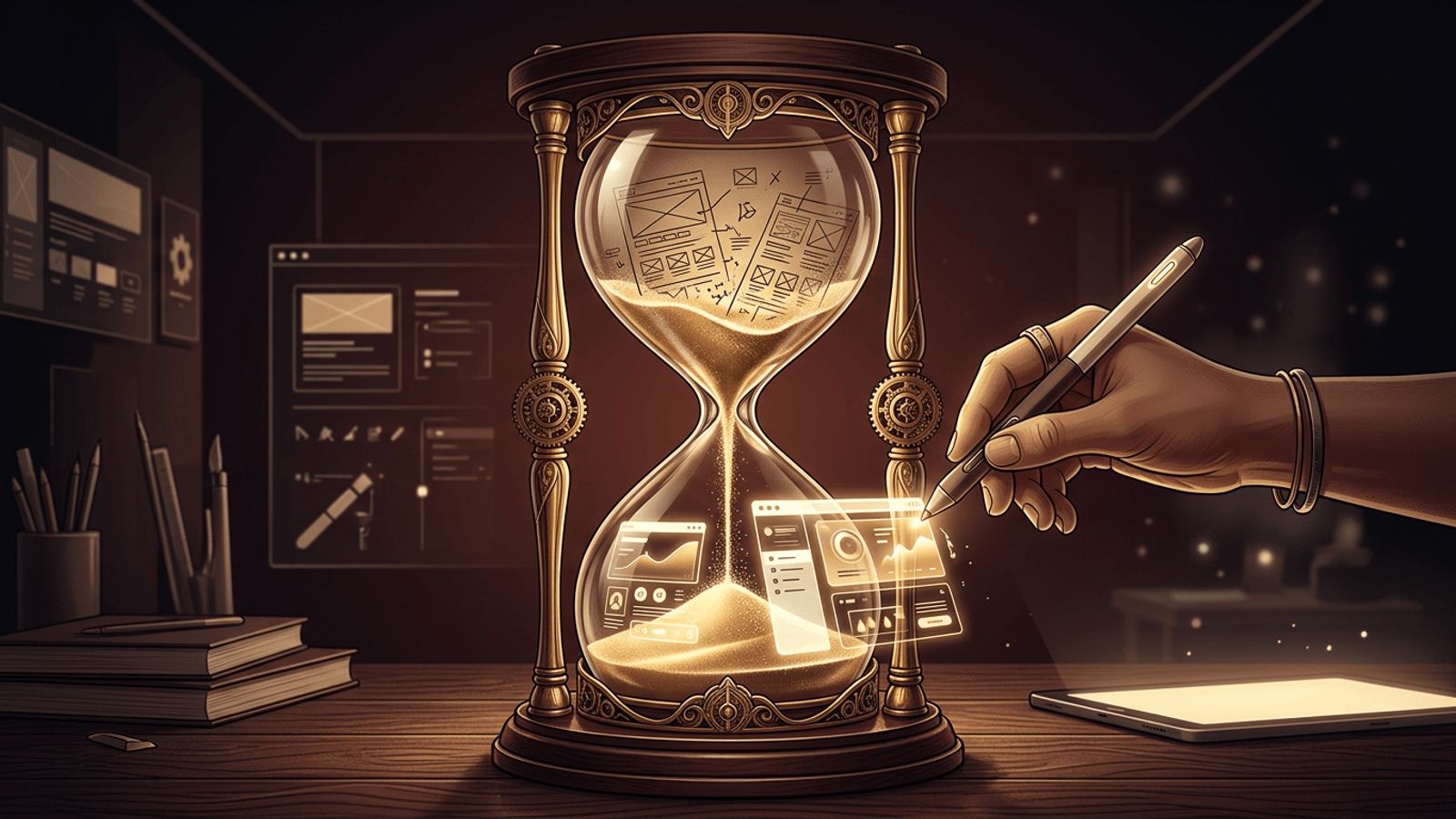
Drag-and-drop website builders, thousands of ready-made templates, and AI tools that generate layouts in seconds have changed the way websites are created. It is no wonder that many people, including designers themselves, are asking: are web designers becoming obsolete? While certain types of routine design work are being automated, the profession as a whole is far from disappearing. Instead, it is evolving towards strategy, user experience, and brand differentiation. In this article, we look at the forces reshaping web design, what is genuinely at risk, and why skilled designers remain essential.
Strategic Web Design from AAMAX.CO
Businesses that want to stand out quickly discover that templates alone are not enough. AAMAX.CO is a full service digital marketing company that offers web development, digital marketing, and SEO services worldwide. Their designers go beyond aesthetics, using research, brand strategy, and conversion principles to create websites that deliver measurable results. With their website design service, businesses receive custom, user-centred designs that DIY builders simply cannot replicate, along with expert guidance on how design supports growth.
Why People Think Web Designers Are Becoming Obsolete
- Website builders: Platforms allow non-designers to create attractive sites using pre-built themes and components.
- Template marketplaces: Affordable, professionally designed templates cover nearly every industry.
- AI design tools: AI can generate layouts, colour palettes, images, and even full landing pages from a simple prompt.
- Design systems: Large organisations use standardised component libraries, reducing the need for custom visual work on every page.
- Budget pressure: Small businesses may opt for cheaper DIY solutions rather than hiring a designer.
What Automation Cannot Replace
Strategic Thinking
Effective design starts with understanding business objectives, target audiences, and competitive positioning. Tools can generate layouts, but they cannot decide what a business should communicate or how to prioritise competing goals.
User Research and Empathy
Designers interview users, analyse behaviour, and test prototypes to understand real needs. This human insight shapes experiences that genuinely help people.
Brand Differentiation
When thousands of businesses use the same templates, websites begin to look alike. Designers create unique visual identities that help brands stand out and be remembered.
Complex Problem Solving
Designing a multi-step checkout, a data-rich dashboard, or an accessible government service involves intricate decisions that go far beyond picking a template.
Quality Judgement
AI can produce many options, but someone still needs to evaluate which ones work, refine them, and ensure they meet accessibility, usability, and brand standards.
How the Role of Web Designers Is Evolving
Rather than disappearing, web design is shifting in several directions:
- From pixels to products: Many designers are moving into product design, shaping entire digital experiences rather than individual pages.
- From decoration to conversion: Designers increasingly focus on measurable outcomes like sign-ups, sales, and engagement.
- From static to systems: Creating scalable design systems is a valuable, growing specialisation.
- From solo to cross-functional: Designers work closely with developers, marketers, and data analysts.
- From manual to AI-assisted: Designers use AI to speed up exploration and production, freeing time for strategic work.
Skills That Keep Web Designers Relevant
- UX research and usability testing
- Conversion rate optimisation
- Accessibility and inclusive design
- Design systems and component thinking
- Basic front-end coding knowledge
- Proficiency with AI design tools
- Storytelling, copywriting, and content strategy
- Data analysis and A/B testing
Which Design Work Is Most at Risk?
Simple, low-budget projects, such as basic brochure sites with minimal customisation, are the most vulnerable to automation. Designers who rely solely on producing generic layouts may find it harder to compete. However, designers who offer strategic value, specialised expertise, or industry knowledge continue to find strong demand.
Why Businesses Still Need Web Designers
A website is often a customer's first impression of a business. A poorly designed experience can drive visitors away, while a thoughtful one can build trust and increase conversions. As competition online intensifies, businesses increasingly recognise that professional design is not a luxury but an investment with measurable returns. Designers help ensure that every element of a site works towards business goals.
Lessons from Past Technology Shifts
History offers useful perspective. When desktop publishing software arrived, many predicted the end of graphic designers, yet the profession grew. When website builders became popular, demand for custom design continued to rise as businesses sought differentiation. Each wave of automation removed some routine tasks while creating new opportunities for higher-level work. AI appears to be following a similar pattern. Designers who learned new tools in previous transitions thrived, while those who resisted change found it harder to compete. The lesson is clear: adaptability, not resistance, is the key to longevity in a creative profession shaped by technology.
Conclusion
Are web designers becoming obsolete? No. While tools and automation are changing how websites are built, they are not replacing the strategic, creative, and empathetic skills that great designers bring. The profession is evolving towards higher-value work, including UX research, product design, conversion optimisation, and design systems. Designers who adapt, embrace new tools, and focus on solving real business problems will remain in demand for years to come.
