

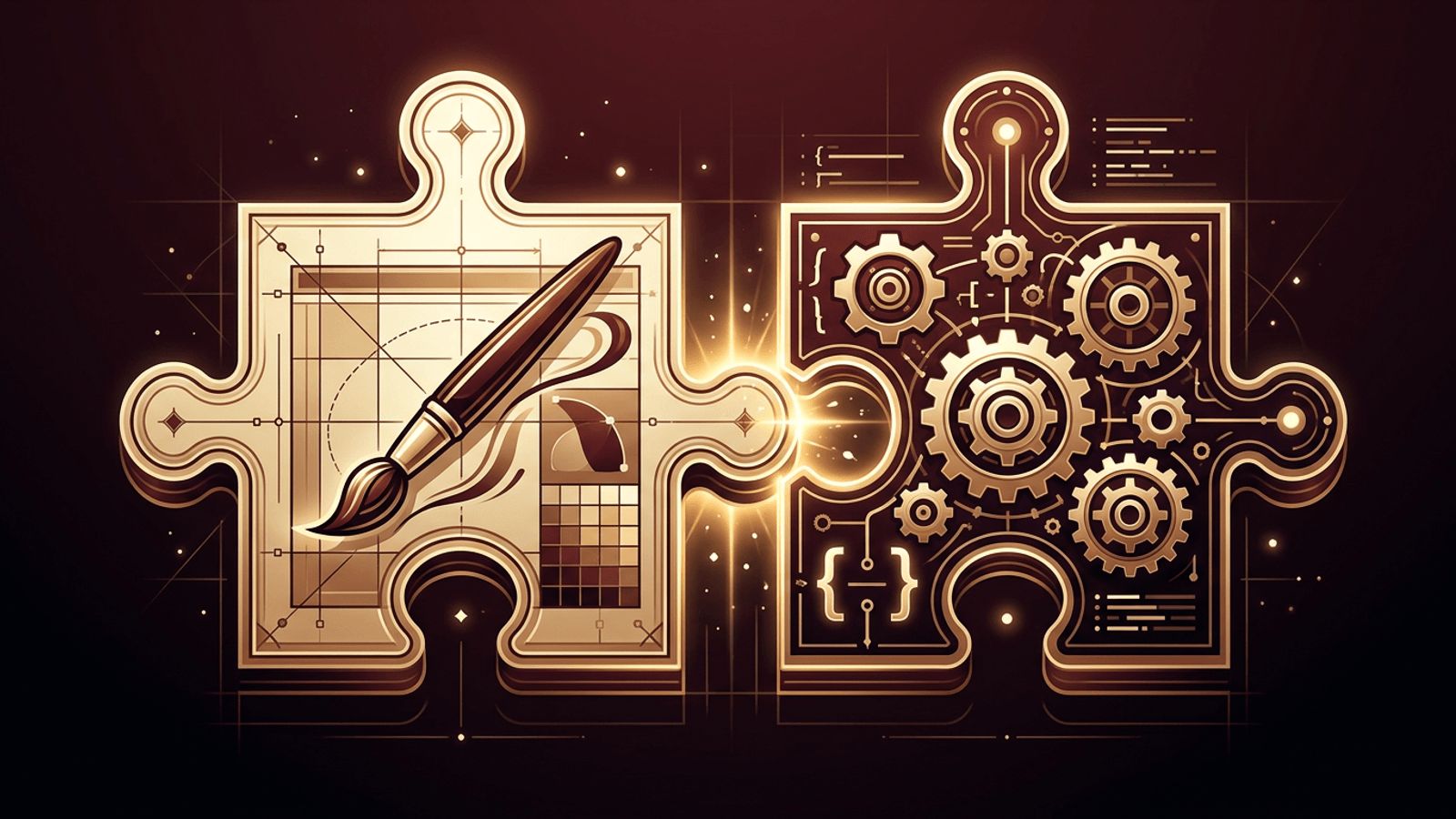
When planning a new website, business owners frequently hear the terms "web design" and "web development." Some agencies use them interchangeably, while others treat them as entirely separate services. This can create confusion about who does what, what you are paying for, and which expertise your project needs. Web design and web development are not the same, but they are deeply connected. In this article, we define each discipline, compare their skills and tools, and explain how they work together to create successful websites.
Design and Development Under One Roof with AAMAX.CO
The best websites are created when designers and developers collaborate closely from the very beginning. AAMAX.CO is a full service digital marketing company offering web development, digital marketing, and SEO services worldwide. Their team brings together creative designers and skilled developers to deliver websites that look stunning and work flawlessly. Businesses can start with their website design service to define the look and user experience, then move seamlessly into website development to bring that vision to life with clean, fast, and secure code.
What Is Web Design?
Web design focuses on the visual appearance and user experience of a website. It answers questions like: How should the site look? How will users navigate it? What will make them take action? Web design typically involves:
- User experience (UX) design: Researching users, mapping journeys, and planning site structure.
- User interface (UI) design: Designing buttons, forms, menus, and other interactive elements.
- Visual design: Choosing colours, typography, imagery, and layout.
- Wireframing and prototyping: Creating blueprints and interactive mock-ups before development begins.
- Branding consistency: Ensuring the site reflects the company's identity.
Web designers typically use tools such as Figma, Adobe XD, Sketch, and Photoshop.
What Is Web Development?
Web development focuses on building and maintaining the functional website. Developers turn designs into working code and make sure the site performs reliably. Web development is commonly divided into:
- Front-end development: Implementing the design using HTML, CSS, and JavaScript so it works across browsers and devices.
- Back-end development: Building servers, databases, and application logic that power features like logins, payments, and content management.
- Full-stack development: Handling both front-end and back-end responsibilities.
Developers use code editors, version control systems, frameworks such as React or Laravel, and hosting platforms.
Key Differences Between Web Design and Web Development
Focus
Design focuses on how the site looks and feels. Development focuses on how the site works.
Skills
Designers rely on creativity, visual communication, empathy, and user research. Developers rely on programming, logic, problem-solving, and technical architecture.
Tools
Designers use visual design and prototyping tools. Developers use programming languages, frameworks, and development environments.
Deliverables
Designers produce wireframes, mock-ups, style guides, and prototypes. Developers produce functional websites, applications, and integrations.
Where Design and Development Overlap
The boundaries between the two disciplines are not rigid. Many designers understand HTML and CSS, which helps them create designs that are practical to build. Many front-end developers have a strong eye for design and user experience. Roles such as "UI engineer" and "design technologist" sit right at the intersection. Responsive design, accessibility, and performance are shared responsibilities that require collaboration.
Why You Need Both
A beautiful design without solid development may look great in a mock-up but load slowly, break on mobile devices, or fail to function properly. Excellent code without thoughtful design may work perfectly but confuse users and fail to convert visitors. The most successful websites combine strategic design with robust development, ensuring every visual element is supported by reliable functionality.
The Typical Website Project Process
- Discovery: Understanding business goals, audience, and requirements.
- Design: Creating sitemaps, wireframes, and visual mock-ups.
- Development: Building the front end and back end based on approved designs.
- Testing: Checking functionality, responsiveness, accessibility, and performance.
- Launch: Deploying the site and configuring analytics and SEO.
- Maintenance: Ongoing updates, security patches, and improvements.
Choosing the Right Partner
When hiring for a website project, look for a team that offers both design and development expertise, or ensure your designer and developer communicate closely. Ask to see examples of completed projects, not just design mock-ups, and evaluate how well the finished sites perform on mobile and in search results.
How Each Discipline Affects SEO and Performance
Both design and development influence how well a website ranks and performs. Designers shape content hierarchy, readability, and navigation, which affect how long visitors stay and how easily they find information. Thoughtful use of images and fonts also influences page weight. Developers control technical SEO factors such as semantic markup, page speed, structured data, mobile responsiveness, and crawlability. When the two disciplines collaborate, they can create pages that are visually compelling while also meeting Core Web Vitals benchmarks and search engine best practices. This partnership ensures the website attracts traffic and delivers a satisfying experience once visitors arrive.
Conclusion
Are web design and web development the same? No, but they are two halves of the same whole. Web design shapes the look, feel, and user experience, while web development brings that vision to life with functional, reliable code. Each discipline requires different skills and tools, yet both are essential for building a website that attracts, engages, and converts. By understanding their roles and ensuring they work hand in hand, businesses can achieve websites that are both beautiful and effective.
